

Are There Card Numbers That Work Without a Real Account? A Safety Guide
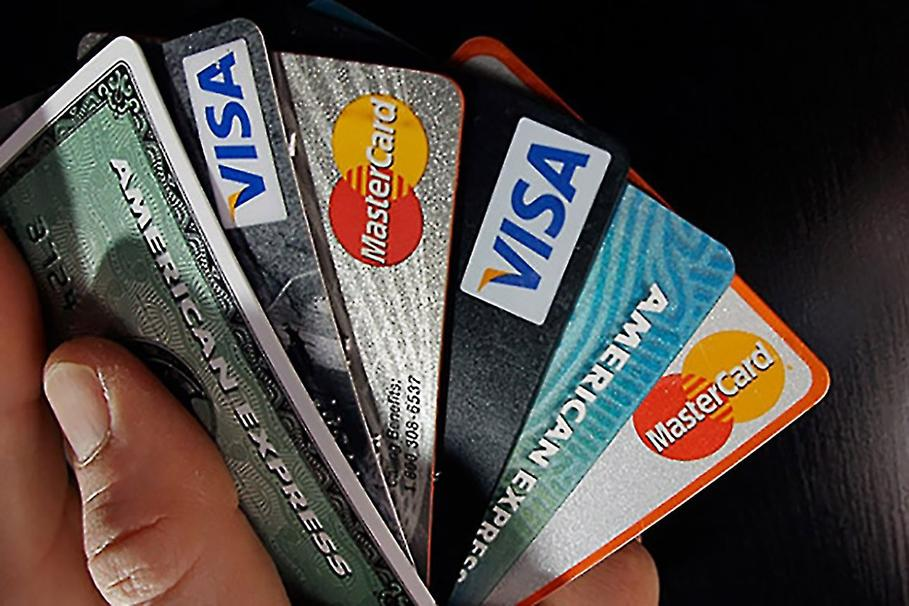
Did you know that millions of mathematically valid credit card numbers exist that are not connected to any bank account or person? These sequences pass basic validation tests because they follow a specific formula. While you might find these numbers online, using them comes with significant technical and legal boundaries you should understand.
Understanding Generated Card Numbers
Credit card digits are not random sequences - Issuers use the Luhn algorithm, a simple checksum formula, to verify that a number is typed correctly. A "fake" number that works for basic validation is simply a string of digits that satisfies this math equation. Websites often use these to check if a user enters a formatted card number before they even try to process a payment.
You can find examples of how the sequences look and function - researching fake credit card numbers that work for testing purposes - these numbers typically start with specific digits, like 4 for Visa or 5 for Mastercard. Passing a math test is not the same as having money behind the digits.
Legitimate Tools for Developers
Software creators and website testers are the primary users of these non account numbers. They need to ensure their checkout pages handle different card types without spending real money during every test - these tools help identify bugs in the payment flow or user interface.
- Sandbox Environments Services like Stripe or PayPal provide specific "test cards" for developers.
- Data Formatting Testers use these to ensure the "Expiry Date" and "CVV" fields behave correctly.
- Error Handling Developers trigger specific error messages to see how the website reacts to declined transactions.
If you are building a store, you should only use numbers provided by your payment processor. Using random numbers from the internet can lead to security flags or messy data in your testing logs.
The Risks of Using Unauthorized Data
Attempting to use a generated number to get a free trial or bypass a paywall is risky. Many modern payment gateways perform a "pre-authorization" check - this process contacts the bank to see if the account is active. Since generated numbers lack a real bank connection, the transaction fails immediately.
Repeatedly trying to use invalid numbers can get your IP address blocked or your account banned from a service. In some regions, attempting to bypass payment systems is considered fraud. You might also encounter websites claiming to offer "cloned cards" or "free balances" Be cautious, as many sites that allow you to browse cloned cards are traps designed to steal your information or install malware on your device.
Protecting Your Financial Identity
Your own financial safety is more important than finding a shortcut. Scammers often use the promise of "free card numbers" to lure you into downloading dangerous files. Genuine financial tools will never ask you to download software to view "secret" card lists. Always use a reputable browser and keep your security software active when researching financial topics.
If you want to shop online without sharing your main bank details, consider the safer alternatives
- Virtual Cards Many banks offer temporary numbers that link to your real balance but expire after one use.
- Prepaid Cards You can buy these with a fixed amount of cash at most retail stores.
- Digital Wallets Services like Apple Pay or Google Pay hide your actual card number from the merchant during the transaction.
Staying within legal and secure boundaries ensures your data remains private. While the math behind card generation is interesting, the practical applications for an average user are limited to testing and development.
FAQ
Can I use a generated card number to sign up for Netflix?
No. Streaming services verify the card with a small temporary charge. Since a generated number has no bank account or funds, the verification will fail and you will not get access.
Is it illegal to generate a credit card number?
Generating the numbers for mathematical study or software testing is generally legal. Using those numbers to obtain services or goods without paying is illegal and considered fraud.
What is a "Cloned Card"?
A cloned card is a physical or digital copy of a real person's stolen credit card data. Using or purchasing these is a serious crime and often involves participating in identity theft networks.
Why do websites ask for a credit card for free trials?
Companies do this to prevent people from signing up for multiple accounts and to ensure they can charge you automatically once the trial period ends.
Dark Web Market Supply is an online marketplace information platform focused on digital marketplace trends, online privacy, cybersecurity awareness, and the evolving world of internet commerce. Our goal is to provide visitors with an accessible place to explore marketplace information, understand digital services, and learn about the security considerations associated with online environments. By bringing relevant topics together in one centralized resource, we aim to make digital research more convenient, informative, and straightforward.














Comments (0)