

Painting Contractor in Sioux Falls, SD: What to Look for Before Hiring
Learn what to consider when choosing a painting professional in Sioux Falls, including surface preparation, paint finishes, estimates, repairs, and project quality.
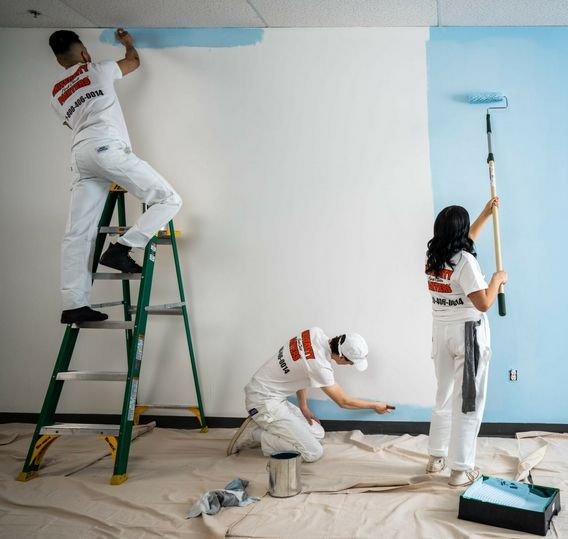
A fresh coat of paint can change the appearance of a property, but the quality of the finished work depends on far more than the paint itself. Poor surface preparation, unsuitable products, rushed application, or inadequate attention to trim and repairs can leave walls looking uneven and cause the finish to deteriorate sooner than expected.
For homeowners and property managers in Sioux Falls, choosing a qualified painting professional means looking beyond a quote and comparing how each provider approaches preparation, materials, communication, and final quality. Understanding those factors makes it easier to identify a contractor suited to the property's needs.
What a Professional Painting Project Should Include
A quality painting job starts well before the first roller reaches the wall. A professional assessment should consider the condition of the existing surfaces, the type of substrate, the intended finish, and how the room or exterior is used.
For interior projects, the work may involve:
-
Protecting floors, furniture, fixtures, and adjoining surfaces
-
Cleaning walls and removing dust, grease, or loose material
-
Repairing dents, cracks, nail holes, or damaged drywall
-
Sanding rough areas and creating an even surface
-
Priming where necessary
-
Applying the appropriate number of finish coats
-
Painting trim, doors, ceilings, or other specified areas
-
Inspecting the completed work for missed spots, drips, or uneven coverage
Exterior painting has additional considerations, including weather exposure, moisture, peeling paint, caulking, wood condition, and the suitability of coatings for the surface.
A detailed scope of work should make clear what preparation and painting tasks are included rather than treating the project as simply "two coats of paint."
Why Surface Preparation Matters
Surface preparation is one of the strongest indicators of workmanship. New paint cannot reliably hide significant surface problems. If cracks, loose coatings, stains, or damaged drywall remain underneath, those defects may become visible again after the new finish dries.
Drywall repairs can range from filling small holes to replacing damaged sections. Larger repairs may require joint compound, tape, sanding, and primer before paint is applied. Wood surfaces may need scraping, sanding, spot priming, or caulking.
Cleaning is also important. Kitchens, bathrooms, garages, and high-traffic areas can accumulate substances that interfere with adhesion. Painting over a contaminated surface may produce poor coverage or premature failure.
For that reason, preparation should be discussed during the initial estimate. A professional who identifies potential surface problems before work begins is generally in a better position to provide a realistic scope and timeline.
Choosing Paint, Primer, and Finish
Different rooms and surfaces call for different products. Interior walls in a bedroom do not necessarily have the same requirements as a bathroom, kitchen, hallway, or high-use commercial space.
Paint sheen also affects both appearance and maintenance:
-
Flat finishes can provide a low-reflective appearance and are often used on ceilings or areas where minimizing visible surface imperfections is desirable.
-
Eggshell finishes offer a modest amount of sheen and are commonly considered for living areas and bedrooms.
-
Satin finishes provide greater durability and are often useful in spaces that require more frequent cleaning.
-
Semi-gloss finishes are frequently used for trim, doors, kitchens, bathrooms, and other areas where a harder, more washable surface is beneficial.
Primer has a different purpose from finish paint. It can help with adhesion, stain blocking, color changes, and situations involving new drywall or significantly different surfaces. It is not automatically necessary for every repainting project, so the decision should be based on the condition and type of substrate.
A knowledgeable painter should be able to explain why a particular product and finish is appropriate rather than recommending the same approach for every room.
Questions to Ask Before Hiring
Comparing several providers can reveal important differences that are not obvious from the price alone. A homeowner can ask:
-
What preparation is included in the estimate?
-
Are drywall repairs included, or are they priced separately?
-
What surfaces and areas will be painted?
-
Which primer and paint products are being proposed?
-
How will floors, furniture, fixtures, and landscaping be protected?
-
Who will perform the work?
-
How will unexpected surface damage be handled?
-
What is the expected project schedule?
-
How will the property be cleaned at the end?
-
Is the scope of work provided in writing?
The answers can help distinguish a carefully planned project from an estimate that leaves important details undefined.
Evaluating a Painting Estimate
The lowest bid is not necessarily the lowest overall cost. A significantly cheaper estimate may exclude preparation, repairs, primer, trim, or other work that another provider has included.
A useful estimate should identify the project's major components. Look for information about labor, materials, preparation, repairs, areas being painted, and any exclusions.
It is also worth asking how changes will be handled. For example, if deteriorated drywall is discovered after furniture has been moved, the homeowner should know whether that repair requires separate approval.
A written scope reduces misunderstandings and gives both parties a clearer reference point throughout the project.
Local Considerations for Sioux Falls Properties
Properties in Sioux Falls can have a mixture of interior and exterior painting needs, making project planning particularly important. Exterior surfaces are exposed to changing weather conditions, while interior spaces may experience humidity, temperature fluctuations, daily traffic, and repeated cleaning.
For exterior work, property owners should discuss surface condition, moisture-related damage, caulking, peeling or failing coatings, and the appropriate timing for the project. Painting over a surface that has unresolved moisture or structural problems can result in disappointing durability.
Interior projects deserve similar attention to the building's condition. Older walls may require more patching and sanding than a recently renovated property. Homes undergoing remodeling may also need coordination between drywall work, trim installation, and painting.
Local providers such as Golden Standard Painting & Drywall can be considered alongside other qualified professionals when property owners are comparing options, but the most useful comparison is always based on the actual scope, preparation standards, materials, and communication offered.
Signs of Quality Work
Once a project is complete, several details can help a property owner assess the result. Paint should generally have consistent coverage without obvious thin spots, heavy roller texture appear, drips, or unwanted buildup.
Edges around trim, ceilings, doors, and adjoining surfaces should appear clean. Where repairs were performed, the underlying patch should not remain visibly obvious through the finished coating.
A final walkthrough is useful because different lighting conditions can reveal issues that were not apparent during application. Small touch-ups are easier to address while the project is still active.
Good workmanship is not simply about making a wall look freshly painted. It involves preparation, appropriate materials, careful application, protection of surrounding areas, and attention to the details that determine how the finished surface looks and performs.
Making the Right Choice
Hiring a painting professional is ultimately a decision about workmanship, scope, materials, and reliability—not just color or price. A well-prepared surface and correctly selected coating can make a substantial difference to the appearance and useful life of the finished work.
Before agreeing to a project, property owners should compare written estimates, ask specific questions about preparation, verify what is included, and make sure expectations about repairs and finishes are clear. Taking those steps can prevent surprises and make the finished result easier to evaluate.
FAQs
1. How long does an interior painting project usually take?
The timeframe depends on the property's size, number of rooms, amount of preparation, drywall repairs, number of coats, and whether ceilings and trim are included. A small repaint may take considerably less time than a project involving extensive repairs and multiple rooms.
2. Should drywall repairs be completed before painting?
Yes. Holes, cracks, damaged joints, and other surface defects should generally be repaired and properly prepared before finish paint is applied. Painting first can leave imperfections visible and may make later repairs more difficult.
3. How can property owners compare painting estimates fairly?
Compare the scope rather than the final price alone. Check whether each estimate includes preparation, repairs, primer, finish coats, trim, materials, surface protection, cleanup, and any exclusions. Two estimates with different scopes are not directly comparable even if they appear to cover the same project.
Standard Painting





Comments (0)