

Mobile App Development Agency Trends to Watch in 2026 | Zigboxx Studios
Choosing a Mobile App Development Agency is one of those decisions that looks easy at first. Search online, check a few websites, compare prices

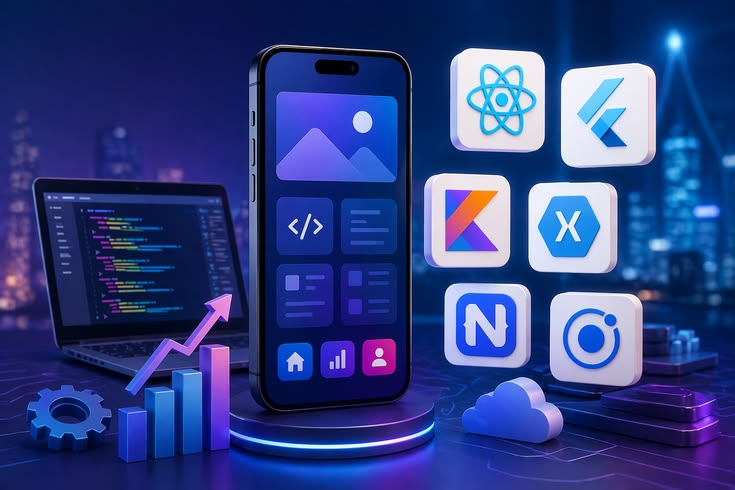
Choosing a Mobile App Development Agency is one of those decisions that looks easy at first. Search online, check a few websites, compare prices, done… right? Not really. A mobile app can become a major part of your business, so choosing the wrong development partner can mean missed deadlines, confusing communication, extra costs, and a product that doesn’t quite feel like your brand. If you’re planning an app for your business, here are some practical things worth checking before you sign a contract with an agency such as Zigboxx Studios.
Why Choosing the Right Mobile App Development Agency Matters
A mobile app isn’t simply a collection of screens with buttons on them.
Behind that clean-looking interface, there may be APIs, databases, payment gateways, push notifications, analytics, security systems, admin panels and a whole lot of testing. And then there are app-store requirements.
This is why experience matters.
A good mobile app development company should understand both technology and the business problem you’re trying to solve. For example, a restaurant may need online ordering and loyalty features, while a healthcare business could need appointment booking, secure records and notifications.
Same mobile technology. Completely different requirements.
So before looking at pricing, understand what you actually need the agency to build.
Start With Your Business Goals
Before contacting an app development agency, write down what the app is supposed to achieve.
Ask yourself:
- Who will use the app?
- What problem will it solve?
- Do customers need Android, iOS or both?
- Will users create accounts?
- Is online payment required?
- Do you need GPS or location features?
- Will the app connect with an existing website or CRM?
- How will you measure whether the app is successful?
You don’t need a 30-page technical document. Even a simple list can help.
Imagine you run an online clothing store. Your goal may not really be “build an app.” The actual goal might be increasing repeat purchases and making checkout easier. That small difference can completely change the development strategy.
Check the Agency’s Portfolio Carefully
Don’t just look at pretty screenshots.
A portfolio can tell you a lot about an agency, but you need to look beyond the visual design. Open the actual apps if they’re publicly available. Try the navigation. Check whether pages load properly. Look at reviews. See if the app has been updated recently.
Ask the agency:
- Have you built similar apps before?
- Can you show live applications?
- What industries have you worked with?
- Have you handled apps with similar functionality?
- Can I speak with a previous client?
A company may say it can build almost anything. That’s easy to say. Previous work is usually more convincing.
Understand the Development Process
A reliable mobile app development company should be able to explain how your project will move from an idea to a working application.
A typical process may include:
- Business and requirement analysis
- UI/UX planning
- Wireframing and prototyping
- App development
- API and backend integration
- Testing and bug fixing
- App-store submission
- Launch
- Maintenance and updates
If an agency jumps directly into development without properly discussing requirements, that’s worth questioning.
Things can get messy later. And “we’ll figure it out during development” is usually not the comforting sentence it sounds like.
Native App or Cross-Platform Development?
This is another decision worth discussing with your development partner.
Native development usually means creating separate applications for platforms such as Android and iOS. It can provide strong platform-specific performance and flexibility.
Cross-platform development allows developers to build applications for multiple platforms using a shared codebase.
Neither approach is automatically better.
It depends on your budget, features, timeline and long-term plans. A good mobile app development agency should explain the advantages and limitations of both options instead of pushing whichever technology it happens to prefer.
Don’t Choose an Agency Only Because It’s Cheap
Budget matters. Obviously.
But the cheapest quote isn’t necessarily the cheapest project.
Suppose one agency quotes $8,000 and another quotes $15,000. At first glance, the lower quote looks attractive. But then you discover that hosting, testing, maintenance, third-party integrations and post-launch support aren’t included.
Suddenly the difference isn’t so large.
Ask for a detailed proposal covering:
- Development cost
- UI/UX design
- Backend development
- Third-party integrations
- Testing
- App-store publishing
- Maintenance
- Security updates
- Future feature development
A clear proposal makes comparing agencies much easier.
Consider Mobile App Development Outsourcing
For many businesses, mobile app development outsourcing can be a practical way to access experienced developers without building a large in-house technology team.
It can also provide access to designers, developers, QA testers and project managers under one setup.
But communication becomes especially important when outsourcing.
Before starting, clarify:
- Working hours and time-zone overlap
- Communication channels
- Project management tools
- Development milestones
- Reporting frequency
- Response time
- Ownership of source code
- Intellectual property rights
You don’t want to discover these details halfway through the project.
Ask About Security and Testing
Security shouldn’t be treated as something to check five minutes before launch.
If your app handles customer accounts, payments, personal information or business data, security needs to be considered during development.
Ask about authentication, data protection, secure APIs, payment security and testing procedures.
Also ask how the agency handles bugs after launch. Every app has bugs at some point. The important thing is how quickly and responsibly they’re handled.
Think About Post-Launch Support
Launching the app isn’t the finish line.
Phones get new operating-system versions. Third-party APIs change. Users report bugs. Businesses add new features. Sometimes a feature that looked perfect during development doesn’t work quite as well when thousands of people start using it.
That’s normal.
Ask the agency whether it provides ongoing maintenance and what that support includes. A reliable mobile app development agency should have a clear post-launch plan rather than disappearing after publishing the application.
Don’t Ignore Marketing After Development
A great app sitting quietly in an app store isn’t going to magically attract customers.
You’ll need a plan for visibility and user acquisition.
Depending on your business, this could include app-store optimization, SEO, social media, email marketing, paid advertising and remarketing.
If your business also depends heavily on paid search campaigns, you may eventually work with a PPC management company to drive qualified traffic and app-related conversions.
Development and marketing are different jobs, but they work better when they support the same business goals.
Look at Communication, Not Just Technical Skills
This part gets overlooked.
You could find an agency with excellent developers, but if nobody explains what’s happening, replies after three days, or keeps changing project requirements, the experience can become frustrating quickly.
During the first few meetings, notice how the team communicates.
Do they ask questions?
Do they challenge unrealistic ideas?
Do they explain technical concepts in normal language?
Do they actually listen?
Those little things matter more than they seem.
Why Businesses Choose Zigboxx Studios
Zigboxx Studios approaches mobile app development with the idea that the technology should serve the business, not the other way around.
The right project starts with understanding the audience, business goals, required features and expected user experience. From there, the development process can be planned around the actual requirements rather than adding random features simply because they’re technically possible.
If you’re comparing agencies, take your time. Ask questions. Look at previous work. Read the proposal properly.
And don’t be afraid to say, “I don’t understand this part. Can you explain it?”
A good agency won’t make you feel silly for asking.
Frequently Asked Questions
1. How do I choose the best mobile app development agency?
Look at the agency’s portfolio, technical expertise, communication process, pricing, client reviews, development methodology and post-launch support. Choose a partner that understands your business goals, not just the technology.
2. How much does mobile app development cost?
The cost depends on app complexity, number of platforms, design requirements, backend development, integrations and features. A basic application may cost considerably less than a complex marketplace, healthcare or fintech application.
3. Should I choose Android, iOS or both?
It depends on your target audience and business objectives. If your customers use both platforms, developing for both may make sense. An agency can also review your audience data before recommending the right approach.
4. Is mobile app development outsourcing a good option?
Yes, outsourcing can help businesses access experienced developers and reduce the need to maintain a large internal development team. Clear communication, project ownership and documentation are especially important when working with an external team.
5. Does an app development agency provide maintenance after launch?
Many agencies offer post-launch maintenance, but it isn’t always included in the initial development price. Ask about bug fixes, operating-system updates, security updates, monitoring and future feature development before signing the agreement.









Comments (0)