

How Do ELISA Kits Improve Biological Detection and Research Accuracy?
Explore how ELISA Kits enable accurate biological detection through antibody-based analysis, biomarker research, protein measurement, immunology studies and advanced laboratory applications.

Exploring Immunological Testing, Biomarker Analysis and Advanced Laboratory Applications
Accurate identification of biological molecules is essential for understanding complex processes in life science research. ELISA kits provide laboratories with ready-to-use assay systems designed to detect and measure specific biological targets through highly selective molecular interactions. ELISA technology is widely used in research areas such as immunology, biotechnology, pharmaceutical development, biomedical studies and diagnostic science.
By combining antibody-based recognition with measurable detection methods, ELISA kits allow researchers to analyse important biological markers with improved consistency and efficiency.
What Are ELISA Kits?
ELISA stands for Enzyme-Linked Immunosorbent Assay, a laboratory technique used to identify and quantify specific substances within biological samples.
The method is based on the interaction between antibodies and target molecules. A sample is introduced into a prepared assay system where the target binds with specific detection components. A measurable signal is then generated, allowing researchers to determine whether the target molecule is present and estimate its quantity.
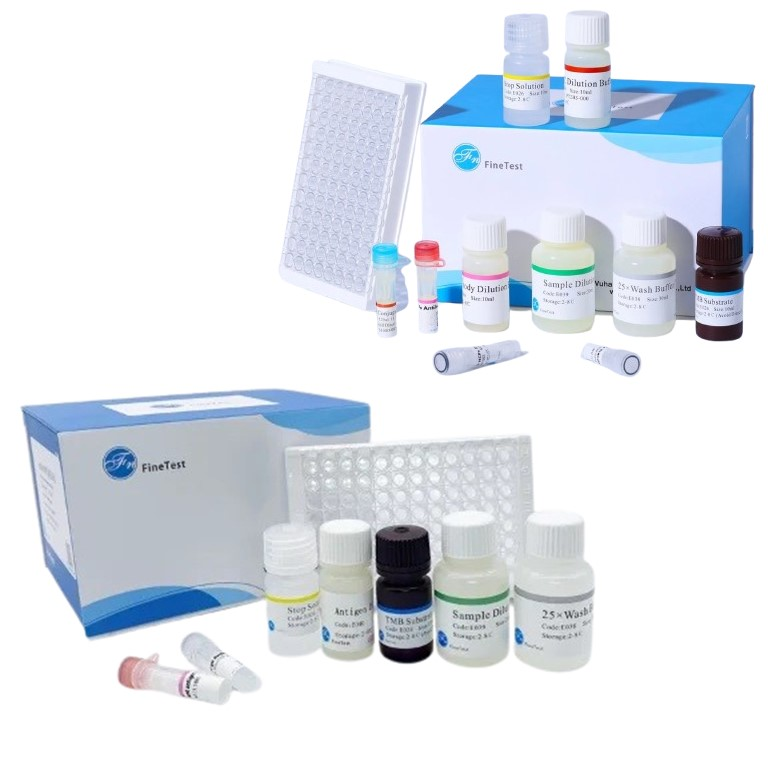
ELISA kits typically contain essential components required for the assay process, including:
- Pre-coated assay plates
- Detection antibodies
- Standards and controls
- Buffers and reagents
- Substrate solutions
Providing these components together helps laboratories perform standardised testing procedures.
Why Are ELISA Kits Important in Modern Research?
Biological samples often contain many different molecules, making selective detection challenging.
ELISA technology helps researchers identify specific targets by using molecular recognition between antibodies and antigens. This approach provides valuable information about biological conditions, molecular interactions and changes within samples.
ELISA kits are commonly used for analysing:
- Proteins
- Hormones
- Cytokines
- Disease markers
- Immune responses
- Biological signalling molecules
Their flexibility allows researchers to apply ELISA methods across many scientific disciplines.
How Does Antibody Recognition Enable ELISA Detection?
The success of ELISA depends heavily on specific binding between antibodies and target molecules.
Antibodies act as recognition molecules that identify specific biological targets within a sample.
During an ELISA experiment, antibodies may be used to capture the target molecule or produce a detectable signal after binding.
The quality of antibodies can influence:
- Detection sensitivity
- Target specificity
- Background signal levels
- Experimental reliability
Selecting suitable antibody-based reagents is therefore an important part of designing successful assays.
Understanding Protein Detection With ELISA
Proteins are among the most common targets measured using ELISA techniques.
Proteins perform essential biological functions, and measuring changes in protein levels can provide valuable information about cellular activity, disease mechanisms and biological responses.
Protein-focused ELISA applications may support:
- Biomarker studies
- Drug development research
- Disease investigation
- Cell signalling analysis
- Biological pathway research
Because ELISA can provide quantitative results, researchers can compare protein levels between different samples or experimental conditions.
Different ELISA Formats for Different Applications
ELISA technology includes several formats, each designed for specific research needs.
Sandwich ELISA
Sandwich ELISA uses two antibodies that recognise different regions of the same target molecule.
This format is commonly selected when high specificity and sensitivity are required.
Direct ELISA
Direct ELISA uses a labelled antibody that directly detects the target molecule.
It can provide a simpler workflow for certain applications.
Indirect ELISA
Indirect ELISA uses a secondary detection system to identify the antibody-target interaction.
This approach can provide additional flexibility when studying immune responses.
Competitive ELISA
Competitive methods measure target molecules by comparing differences in signal generation between samples.
The choice of format depends on the target, sample type and required detection performance.
How Do ELISA Kits Support Immunohistochemistry Research?
ELISA and tissue-based analysis often complement each other when researchers study biological markers.
Immunohistochemistry uses antibodies to identify specific molecules within tissue samples.
While ELISA commonly measures targets within prepared biological samples, immunohistochemistry provides information about where those targets are located within tissues.
Together, these techniques can help researchers understand both the quantity and distribution of biological molecules.
The Connection Between ELISA and Flow Cytometry
Modern biological research often requires analysing individual cells and their molecular characteristics.
Flow Cytometry uses fluorescently labelled antibodies to identify and measure specific features of cells.
Although flow cytometry and ELISA use different approaches, both rely on selective molecular recognition.
ELISA is often used for measuring soluble targets, while flow cytometry focuses on analysing characteristics of individual cells.
Researchers may choose one method or combine multiple techniques depending on the biological question being investigated.
ELISA Compared With Western Blotting
Protein detection can be performed using several laboratory techniques.
Western Blotting is another antibody-based method used to identify specific proteins after separation by electrophoresis.
While western blotting provides information about protein size and presence, ELISA is often preferred when researchers need quantitative measurements from multiple samples.
Both techniques rely on antibody specificity but provide different types of information.
Common Applications of ELISA Kits
ELISA technology supports research across many fields.
Biomedical Research
Researchers use ELISA to investigate biomarkers, immune responses and disease-related molecules.
Pharmaceutical Development
ELISA helps evaluate biological responses during drug research and development.
Biotechnology
It supports analysis of biological products and experimental samples.
Environmental Research
ELISA-based approaches can help detect specific biological or chemical markers.
Academic Research
Universities and research institutions use ELISA methods for studying molecular interactions and biological systems.
Factors Affecting ELISA Performance
Several factors can influence the reliability of ELISA results.
Sample Quality
Poor sample preparation may affect detection accuracy.
Antibody Specificity
Non-specific binding can create inaccurate signals.
Reagent Handling
Incorrect storage or preparation may reduce assay performance.
Incubation Conditions
Reaction time and temperature can influence binding efficiency.
Careful control of these factors helps laboratories achieve more consistent results.
Advantages of Using ELISA Kits
ELISA kits provide several benefits for modern laboratory workflows.
Key advantages include:
- High specificity
- Quantitative measurement capability
- Standardised procedures
- Efficient sample processing
- Compatibility with different research applications
Ready-to-use formats can also reduce preparation requirements and help laboratories maintain consistent testing procedures.
Selecting the Right ELISA Kit
Choosing the correct ELISA kit requires consideration of:
- Target molecule
- Sample type
- Detection method
- Required sensitivity
- Research objective
- Compatibility with laboratory equipment
Researchers should evaluate product specifications and application requirements before selecting an assay system.
A suitable ELISA kit helps improve workflow efficiency and supports dependable experimental outcomes.
Supporting Reliable Biological Research
ELISA kits remain essential tools in modern life science because they combine molecular specificity with measurable detection. Their ability to identify and quantify biological targets makes them valuable across immunology, biotechnology, pharmaceutical research and biomedical studies.
By combining appropriate assay selection, careful sample preparation and compatible detection techniques, laboratories can generate reliable data that supports deeper understanding of biological systems.
As research continues to advance, ELISA technology remains a key method for studying proteins, immune responses and important biological markers.











Comments (0)