

How a Custom Food Truck Trailer Supports Business Growth
A thoughtful layout can make daily operations more efficient while providing space for professional branding and customer interaction. With the right design and equipment, a customized trailer can provide a practical foundation for building and expanding a mobile food business.


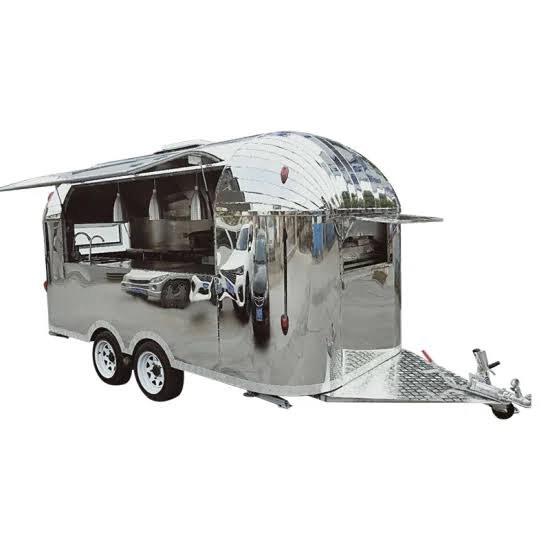
The mobile food industry continues to grow as entrepreneurs seek flexible ways to reach customers and operate in different locations. From festivals and community events to private catering and busy commercial areas, food trailers can provide a practical platform for serving a variety of customers. While standard trailers may meet basic needs, a custom food truck trailer can be designed around the specific requirements of a food business.
A custom-built trailer allows owners to plan their workspace around their menu, equipment, storage, workflow, and customer service needs. A thoughtful layout can make daily operations more efficient while providing space for professional branding and customer interaction. With the right design and equipment, a customized trailer can provide a practical foundation for building and expanding a mobile food business.
Custom Food Truck Trailers Explained
A rolling kitchen made just for one eatery’s way of working - that’s what sets a custom food truck apart. While regular versions lock you into fixed setups and basic gear choices, these let operators pick their own flow - how counters sit, where supplies go, even how the service window opens. Choices shape every corner inside, out, top to bottom. Brand colors wrap around walls exactly as imagined. Storage fits only what matters to that menu.
Start with what you serve, then build around it. Picture a coffee setup - espresso machines hum beside chillers stocked tight. Now shift to smoke and flame: racks of meat wait near heavy-duty grills and slow cookers. Space matters just as much as gear when heat builds fast. Tailored layouts keep work flowing without wasted steps. Efficiency hides in how things fit together each morning.
Custom Food Truck Trailer Advantages
Optimized Kitchen Layout
A custom trailer lets you shape your kitchen around what you actually cook. Because everything fits how you work, tools go exactly where they need to be. That means fewer steps during busy moments, more room to move with purpose. Placement becomes part of the rhythm, not an obstacle.
Out front, a smart setup lets workers move quickly through meal prep while keeping things clean. When rush hour hits, that kind of flow makes serving customers feel smooth instead of chaotic.
Enhanced Brand Identity
Out there among eateries, standing out takes effort - branding steps in when choices blur. Picture a tailored trailer doing more than move meals: it speaks through color, shape, space. Instead of blending into sidewalks, yours tells passersby who you are before they read a menu.
Out front, bold visuals grab eyes fast - logos painted large, colors that pop under sunlight. When people spot your rig down the street, they remember it, maybe even point. Stand out without saying a word, just shapes and shades working hard. A clean look sticks in the mind long after driving by. Folks come back easier when they know what to search for. First glance matters more than most think.
Better Equipment Integration
Baking bread on wheels? Some trucks need ovens built right in. When noodles sizzle nonstop, a trailer can hold heavy-duty burners just for that. Sandwich shops rolling down the highway might skip grills entirely. What cooks inside shapes how the whole unit gets designed. Special gear fits only where planned ahead. Menus drive the machinery, not the other way around.
This may include:
-
Grills and fryers
-
Refrigeration systems
-
Coffee machines
-
Pizza ovens
-
Food warmers
-
Ventilation systems
-
Prep stations
Fine tools set up just right keep things moving smoothly while helping meals stay fresh and good. Equipment that fits the task makes each step flow better than expected.
Increased Storage Capacity
Most of what happens on a mobile food truck depends on storage. Every item - from sauces to scrub brushes - needs its own spot. Space is tight, yet everything must fit just right. Containers stack here, pans tuck there. Organization keeps things moving through the day.
Inside these trailers, cabinets might show up alongside shelves built just for how you store things. Drawers appear where needed, fitting the way items get used. Storage spaces shift to match what you carry. Order takes shape when everything has its spot. Less mess means more room to move.
Flexibility Across Business Models
Event Catering
Out of nowhere, some eateries pull in serious income hosting private gatherings and delivering meals on site. With a tailored trailer, handling big batches becomes smoother, even when things get busy. Speed stays steady, thanks to smart setup behind the scenes.
Bigger spaces for food prep help when orders pile up. When there are several spots to hand out meals, service flows smoother. More cooling space means ingredients stay fresh during busy stretches.
Festival and Fair Operations
Bursting with crowds, festivals pull in thousands each year. Because of this rush, sellers must set up gear and floor plans that keep pace with nonstop guests.
Out front, a tailor-made trailer might speed things up when crowds show. Work flows smoother then, cutting down delays. Happy customers stick around longer if lines shrink mid-rush.
Street Food Service
Out on city streets, getting around fast matters a lot for companies trying to stay ahead. Built smart, these concession trailer manufacturers pack full work setups into tight footprints - space stays tight but output doesn’t have to shrink.
Because it bends easily, staff can help people fast even when spots change or new chances pop up now and then.
Important Design Considerations
Menu Requirements
Start by thinking about the menu right away when designing the space. What you plan to serve shapes what tools are needed, how much room is required for supplies, also where things must go for smooth workflow.
For example:
-
Fires need tending when flipping patties, cold boxes keep meat safe till then.
-
Coffee businesses need beverage preparation stations.
-
Baking pies begins with space for mixing dough. Equipment like ovens must fit nearby, so movement stays smooth between steps.
-
Baking sellers often care most about cold cases for holding and showing treats.
From the start, how things work depends on where the menu sits. A trailer runs smoother when layout follows its placement.
health and safety compliance
Staying within local health rules is something every food business handles first. Built into a custom trailer might be workspaces designed around inspection needs instead of just cooking space.
These may include:
-
Handwashing sinks
-
Three-compartment sinks
-
Proper ventilation systems
-
Food-safe surfaces
-
Fire suppression systems
-
Adequate lighting
When teams partner with seasoned producers, meeting required standards becomes more likely. Compliance often follows when know-how guides the process.
Energy and Infrastructure Networks
Every day runs smoother when utilities work without fail. Outfitting a trailer to fit the job means adding power sources, fuel options, running water - each piece built for what's needed. Equipment like generators, wiring, propane tanks, plumbing - all these come together so nothing stops.
Ahead of schedule work cuts delays while keeping tools running steady through maintenance tasks.
Long-Term Cost Benefits
Built just for your needs, a custom food truck trailer might cost more at first when compared to ready-made versions, yet tends to deliver stronger returns over time because it fits the work perfectly.
Starting fresh means fewer hiccups down the road. When you shape things early, changes feel less like repairs. Smooth moves come from smart planning at the start. Growth gets easier when systems fit just right. Building it right now saves heavy spending later. Details added upfront keep surprises away.
Built right, custom trailers tend to hold their worth better over time - thanks to solid craftsmanship alongside unique touches that off-the-shelf models lack.
Improving Customer Experience
Smooth moves win loyal customers, not flashy tricks. Built for ease, one trailer answers the need before it's spoken. Flow matters more than speed when steps feel natural. Professional look slips into view without announcement.
Among the tools that people often like are those built around user needs
-
Large serving windows
-
Digital menu boards
-
Attractive exterior lighting
-
Branded graphics
-
Efficient pickup areas
Built-in touches shape how people feel about an experience, nudging them to return - then tell others. A smile at checkout, clear signs, steady quality; these linger longer than slogans ever could.
Selecting the Appropriate Manufacturer
Right at the start, picking a suitable trailer maker shapes how smoothly custom work moves forward. Because they’ve seen it all before, seasoned fabricators grasp what different jobs demand. Their insight often leads to smart tweaks during builds. Throughout each phase, their suggestions tend to help avoid missteps.
When evaluating manufacturers, consider:
-
Industry experience
-
Portfolio of completed projects
-
Customization options
-
Build quality
-
Customer reviews
-
Warranty coverage
-
Compliance expertise
A trusted maker can make a big difference when building your trailer. Quality often shows up most where it matters - right at the finish line, meeting both needs and standards without surprise.
Conclusion
A custom food truck trailer lets owners shape a moving kitchen around exactly what their business requires. Because every detail fits the menu, space works better. Equipment slots in where it is needed most. Brand colors, logo placement, and service windows reflect identity clearly. Customer lines move easier when setup makes sense. Tailored features help keep operations smooth day after day.
A rolling kitchen built just for your dishes might be the smart move you didn’t see coming. When crowds gather at outdoor parties, busy sidewalks call for quick service, or special gatherings need meals on site, having equipment that fits how you really work makes all the difference. Instead of squeezing into someone else’s design, imagine pulling up with wheels under what feels like home. From early morning setups to late-night cleanup, every detail shaped by your habits adds speed without strain. Some find success in borrowed spaces, yet those who own their setup often stay ahead simply because they’re never fighting against bad layout.
FAQs
1. What is the advantage of a custom food truck trailer over a standard trailer?
A custom food truck trailer fits your menu just right, shaping how things move inside. Instead of guessing, everything has its spot - gear, shelves, even where the logo lives. Standard ones rarely line up like that. This one works because it grows from what you actually do. Space makes sense now, not later.
2. Building a custom food truck trailer usually takes several weeks. Start time shifts based on design choices.
Some builds wrap up fast, others drag - depends on how wild the design gets. Equipment needs mix into it too, along with how backed up the maker is that month. Custom jobs? Usually land somewhere between three weeks and seventy days.
3. Is a custom food truck trailer worth the investment?
True, they cost more at first. Yet these tailored units boost how smoothly things run. Because of that, companies can grow easier. They also make clients happier along the way. Over time, they deliver stronger returns.





Comments (0)