

From New York to Seoul: What Travelers Should Know Before Flying to South Korea

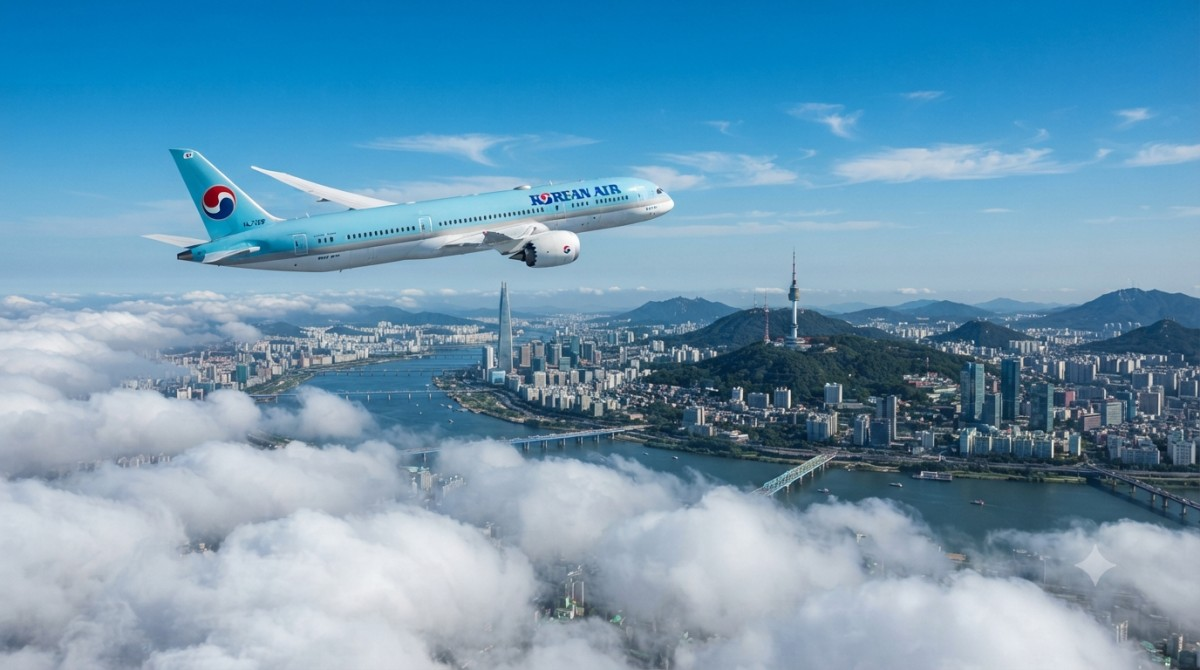
Traveling from New York to Seoul opens the door to an exciting experience filled with modern architecture, traditional Korean culture, incredible food, and lively entertainment. South Korea's capital attracts visitors from around the world with its combination of historic landmarks, advanced technology, fashionable shopping districts, and beautiful natural scenery. Whether you are planning a family vacation, business trip, or first international visit to Asia, exploring Flights from New York to Seoul is a practical starting point for organizing your journey.
A long-distance international trip requires thoughtful preparation. Choosing the right flight, understanding airport procedures, and arranging transportation after arrival can make your travel experience much easier. Here are some important things to consider before beginning your journey.
Understanding the Journey from New York to Seoul
New York and Seoul are connected by regular international air services. Most travelers departing from the New York area consider John F. Kennedy International Airport (JFK) or Newark Liberty International Airport (EWR), depending on their airline and preferred schedule.
International flights generally arrive at Incheon International Airport (ICN), South Korea's primary international gateway. The approximate distance between New York and Seoul is 6,900 miles, although the actual flight route can vary.
A nonstop journey generally takes around 14 to 16 hours. Connecting itineraries may require additional travel time depending on the stopover location and waiting period.
Because this is a lengthy international journey, travelers should consider departure times, onboard comfort, baggage arrangements, and arrival schedules before selecting a ticket.
Finding an Airline and Flight Schedule That Works
Several airlines operate flights between the New York region and Seoul. Depending on the date and airport, travelers may find nonstop services from Korean Air, Asiana Airlines, Delta Air Lines, and other carriers.
When comparing available flights, consider the complete itinerary rather than focusing only on the advertised ticket price.
Important details to review include:
-
Departure and arrival times
-
Total flight duration
-
Checked baggage allowance
-
Cabin baggage restrictions
-
Seat selection charges
-
Meal and onboard entertainment options
-
Ticket cancellation and change conditions
Travelers with fixed schedules may prefer a nonstop itinerary, while those with more flexible plans can compare connecting flights for additional choices.
Nonstop or Connecting: Which Option Should You Choose?
Choosing between nonstop and connecting flights depends on your priorities.
Benefits of Nonstop Flights
Nonstop services allow passengers to travel directly to Seoul without changing aircraft. This can reduce travel complications and make the journey more convenient for families, business travelers, and passengers carrying several bags.
Another advantage is having a more predictable arrival schedule, which can simplify hotel check-in and onward transportation arrangements.
Why Consider Connecting Flights?
Connecting itineraries may offer different departure times, airlines, and pricing options. Depending on the airline, passengers might connect through major international airports in cities such as Tokyo, Taipei, or other Asian and international hubs.
Before choosing a connection, check the layover duration, airport terminal arrangements, baggage transfer process, and applicable transit requirements.
Choosing the Right Season for a Seoul Visit
Seoul experiences four distinct seasons, giving travelers different reasons to visit throughout the year.
Spring: March to May
Spring is a popular season for sightseeing. Cherry blossoms, pleasant temperatures, and colorful parks make the city particularly attractive. Visitors can enjoy outdoor walks, historical attractions, and photography.
Summer: June to August
Summer brings warm temperatures, humidity, and seasonal rainfall. Travelers can explore shopping centers, cafés, museums, and indoor entertainment while planning outdoor activities around the weather.
Autumn: September to November
Autumn is an excellent period for exploring Seoul. The changing leaves create beautiful scenery, while generally comfortable temperatures make walking around the city enjoyable.
Winter: December to February
Winter brings cold weather and occasional snowfall. Visitors can experience seasonal decorations, winter markets, traditional Korean dishes, and indoor cultural attractions.
Spring and autumn are particularly appealing for travelers who prefer moderate weather and outdoor sightseeing.
Preparing for Your Departure from New York
A little preparation before leaving home can prevent unnecessary airport stress.
First, confirm whether your flight departs from JFK or Newark. These airports are located in different areas, so transportation arrangements and journey times can vary considerably.
Check your airline's recommended airport arrival time and allow sufficient time for check-in, baggage drop-off, document verification, and security procedures.
Keep the following essentials accessible:
-
Valid passport and required travel documents
-
Flight confirmation and boarding information
-
Accommodation details
-
Travel insurance information
-
Payment cards and some local currency
-
Essential medication and personal items
It is also useful to check your airline's baggage restrictions before packing to avoid unexpected charges.
What to Expect When Arriving in Seoul
Incheon International Airport is the main arrival point for international travelers visiting Seoul. The airport offers passenger facilities, restaurants, shopping areas, currency exchange services, and several transportation connections.
After landing, follow the signs for immigration, baggage collection, and customs. Keep your passport and accommodation information available during the arrival process.
Travelers can choose from several transportation options to reach central Seoul.
Airport Railroad Express (AREX): The airport railway connects Incheon International Airport with Seoul Station. It is a useful option for passengers who prefer rail transportation.
Airport Limousine Bus: Airport buses connect the airport with different neighborhoods and major hotel areas.
Taxi: Official taxis offer direct transportation to hotels and other destinations.
Private Transfers: Prearranged transportation can be convenient for families, groups, or passengers carrying substantial luggage.
Check current schedules, fares, and service availability before traveling.
Exploring Seoul Beyond the Airport
Once you arrive, Seoul offers a wide range of attractions that make the long journey worthwhile.
Gyeongbokgung Palace
Gyeongbokgung Palace is one of South Korea's most important historical landmarks. Its traditional architecture, impressive courtyards, and cultural significance provide visitors with a glimpse into the country's royal history.
N Seoul Tower
Situated on Namsan Mountain, N Seoul Tower offers panoramic views of the city. It is a popular destination for photography, especially around sunset and after dark.
Myeongdong Shopping District
Myeongdong is well known for cosmetics, fashion stores, shopping streets, cafés, and Korean street food. It is an excellent place to experience Seoul's modern shopping culture.
Bukchon Hanok Village
This historic neighborhood features traditional Korean houses known as hanok. Visitors can explore its beautiful architecture and learn more about traditional Korean residential design while respecting the local community.
Hongdae
Hongdae is famous for its creative atmosphere, independent shops, cafés, street performances, and entertainment venues. It is a lively neighborhood for travelers interested in contemporary Korean culture.
Discovering Korean Food During Your Visit
Food is an important part of experiencing South Korea. Seoul offers everything from traditional restaurants and local markets to modern cafés and international dining establishments.
Some popular Korean dishes worth exploring include:
-
Bibimbap: A rice dish served with vegetables and various toppings.
-
Bulgogi: Marinated beef prepared using traditional Korean cooking techniques.
-
Kimchi: Fermented vegetables commonly served with Korean meals.
-
Tteokbokki: Rice cakes prepared with a spicy sauce.
-
Korean Fried Chicken: Crispy chicken available in several popular flavors.
Visitors with dietary restrictions should confirm ingredients and preparation methods before ordering.
Important Travel Documents and Preparations
Before departing from the United States, review South Korea's latest entry requirements based on your nationality and travel purpose.
US citizens should check passport validity requirements and the latest visa or electronic travel authorization rules before departure. Travelers holding other passports should verify the requirements that apply to their nationality.
Additional preparations worth considering include arranging travel insurance, keeping copies of important documents, checking mobile connectivity options, and informing your bank about international transactions if necessary.
It is also helpful to download essential travel information and save your hotel address in an accessible format.
Practical Ways to Compare Flight Options
Finding a suitable international flight requires comparing several factors.
Start by checking different departure dates. Even a small adjustment to your schedule may provide additional itinerary choices.
Compare flights from JFK and Newark when appropriate. Review nonstop and connecting services, total journey duration, baggage allowances, and additional fees.
Avoid selecting an itinerary based only on its initial price. A ticket with expensive baggage charges or an inconvenient connection may not offer the best overall value.
Travelers should also read cancellation and rescheduling policies carefully, particularly when booking well in advance.
Booking when your travel dates are confirmed can provide more time to organize accommodation, transportation, and sightseeing plans.
Making a Long-Haul Flight More Comfortable
A journey lasting approximately 15 hours requires some attention to personal comfort.
Wear comfortable clothing, drink enough water, and move around the cabin when permitted. Carry essential personal items, headphones, entertainment, and a travel pillow in your hand luggage.
Try adjusting your sleeping schedule gradually before departure to make adapting to South Korea's time zone easier.
If you have specific meal, seating, or accessibility requirements, contact your airline before departure to understand the available arrangements.
Final Thoughts
A journey from New York to Seoul is an opportunity to discover a destination where traditional heritage and modern city life come together. From historic palaces and vibrant shopping districts to Korean cuisine and impressive city views, Seoul offers plenty of experiences for international visitors.
Preparing ahead can make the journey more manageable. Compare departure airports, review airline policies, understand entry requirements, and plan your transportation before arriving in South Korea. Exploring Flights from New York to Seoul can help you review available travel options and organize your trip according to your schedule and preferences.
With thoughtful planning and the right flight arrangements, you can begin your South Korean adventure with greater confidence and enjoy everything Seoul has to offer.
Frequently Asked Questions
1. How long does a nonstop flight from New York to Seoul take?
A nonstop flight generally takes around 14 to 16 hours, depending on the departure airport, airline, weather conditions, and flight route.
2. Which New York airports offer flights to Seoul?
John F. Kennedy International Airport and Newark Liberty International Airport are the main airports travelers can consider when planning a journey to Seoul.
3. Which airport should I choose when arriving in Seoul?
Incheon International Airport (ICN) is the primary international airport serving Seoul. It offers convenient connections to the city through trains, buses, taxis, and private transportation.
4. What is the best season to visit Seoul?
Spring and autumn are popular seasons because of their generally comfortable temperatures and attractive outdoor scenery. However, each season offers different experiences for visitors.
5. Should I choose a nonstop or connecting flight to Seoul?
A nonstop flight is suitable for travelers who prioritize convenience and shorter travel time. Connecting flights may provide additional scheduling and pricing options. Compare the complete itinerary before making a decision.













Comments (0)