

Raccoons, Squirrels, and Skunks: A Season-by-Season Guide to Wildlife Problems in the GTA

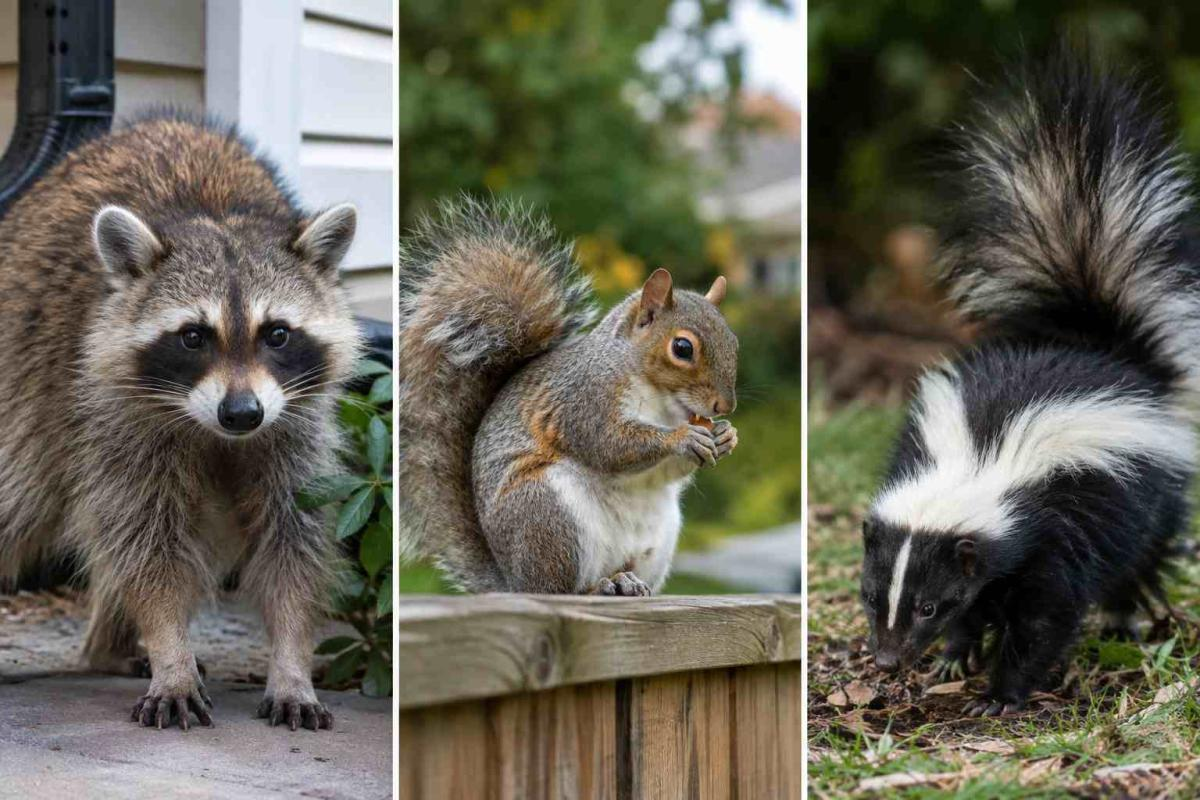
Every season brings a different wildlife challenge to homes across the Greater Toronto Area. Understanding what to expect — and when — makes it much easier to spot trouble early and avoid a full-blown infestation in your attic, chimney, or backyard.
Spring: Nesting Season Begins
As temperatures rise, raccoons and squirrels start actively searching for safe places to give birth and raise their young. Attics, soffits, and chimneys are prime real estate because they're warm, dry, and hidden from predators. This is often when homeowners first notice scratching sounds overhead or small chew marks near the roofline. Removing an animal during this period requires extra care, since a mother separated from her babies will often cause significant damage trying to reunite with them.
Summer: Backyard Visitors Increase
Once the weather warms up, skunks, groundhogs, and raccoons become more visible around decks, sheds, and gardens. They're drawn in by easy food sources — unsecured garbage, pet food left outside, or fallen fruit from trees. Skunks digging small holes in the lawn are usually hunting for grubs, while raccoons raiding garbage bins at night are simply following the path of least resistance.
Fall: The Race for Shelter
As nights get colder, wildlife shifts from foraging to shelter-seeking. This is one of the busiest times of year for wildlife calls, as animals look to move into attics, crawl spaces, and wall voids before winter sets in. Any gaps, damaged vents, or loose roofing left unaddressed become an open invitation.
Winter: Quiet But Not Gone
Wildlife activity slows down in winter, but animals that moved in during the fall often stay put, using stored body fat and insulation-lined nests to wait out the cold. Homeowners sometimes assume the problem has resolved itself simply because it's quieter — but an animal denning in an attic through winter can cause months of accumulated damage before it's discovered.
Why Timing Matters for Removal
Trying to handle wildlife removal at the wrong time — say, sealing an entry point during spring nesting season — can trap young animals inside or push a stressed mother to tear through drywall, insulation, or vents to get back to her litter. A professional wildlife removal process accounts for the season, the species, and whether young are likely present, so the animal is removed safely and permanently rather than just displaced.
A Simple Seasonal Checklist
- Spring: Check attic vents and soffits for new gaps or nesting sounds
- Summer: Secure garbage bins and remove standing food/water sources
- Fall: Inspect and seal potential entry points before the cold hits
- Winter: Watch for signs of activity even when things seem quiet
Bringing In the Experts
Wildlife behaviour changes throughout the year, and so should your approach to prevention. If you're hearing noises, spotting damage, or just want a property check before the next seasonal shift, a proper wildlife inspection and removal service can identify problems early and stop them from turning into costly repairs.
Staying ahead of the season is the easiest way to keep raccoons, squirrels, and skunks out of your home — and off your repair bill.








Comments (0)