

Need a Key Cut for a Different Door? What Dubai Residents Should Check Before Ordering One
If several keys have become difficult to operate, the cylinder may be worn. If the key works only when the door is positioned in a certain way, alignment may be involved. If the lock is damaged, producing another key will not repair it.

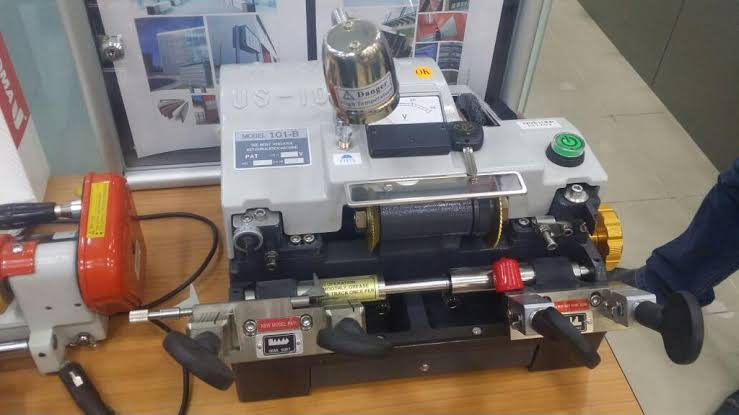
When you need a new key, the first thing that often comes to mind is finding someone nearby who can cut it quickly. A homeowner may need an additional key for a bedroom, garage, gate, storage room, office, or another entrance, while someone moving into a property may discover that one of the doors has no spare key at all.
Searching for cut a key near me can help you find a convenient local service, but choosing the right key-cutting option involves more than simply finding the closest place. The type of lock, condition of the existing key, key profile, and purpose of the new key can all affect the result.
For Dubai residents, knowing what to check before having a key cut can make the process easier and reduce the chance of ending up with a key that does not operate the intended lock properly.
First Identify Which Door the Key Is For
Before getting a key cut, establish exactly which door the new key needs to operate. This sounds obvious, but properties can have several entrances with different locking systems.
A villa may have separate keys for the main entrance, side door, garage, garden gate, staff entrance, or storage room. An apartment may have separate keys for the apartment door, building entrance, mailbox, or other secured areas.
Taking the correct existing key with you is important. If several keys look similar, test them at the property first and identify which one belongs to the door you need.
Key Cutting and Key Duplication Are Closely Related
Key cutting is the physical process of creating the required cuts on a key blank. Key duplication is one common reason for requesting that service because the customer already has a working key and wants another copy.
However, the terms do not always mean exactly the same thing in every situation. A customer may need a duplicate of an existing key, a replacement for a damaged key, or a new key when the original has been lost.
The appropriate process depends on what information and hardware are available.
Start With a Working Key When Possible
If you have an existing key that operates the lock properly, take it with you. A working key gives the key maker a practical reference for producing another key.
The condition of that key is important. If it has been used for many years, the cuts may have become worn or rounded.
A heavily worn key may still work, but it may not be the ideal reference for producing several new copies. If you have a newer spare that operates the same lock smoothly, it may be worth using that key instead.
What Makes a Good Key for Cutting?
A suitable reference key should generally be in reasonable physical condition and operate the lock without unusual resistance.
Check whether the key has visible cracks, bending, damaged edges, or excessive wear. Also consider whether it has recently become more difficult to turn.
If the key is already difficult to use, do not assume that cutting another copy will automatically solve the problem. The lock itself may be worn, or the door may have developed an alignment issue.
Identifying the cause first can save you from producing multiple keys that have the same problem.
The Correct Blank Is Important
Before a key can be cut, the appropriate blank needs to be selected. The blank provides the basic shape and profile onto which the required cuts are made.
Different locks use different key profiles. Two keys can look similar from a distance but have different grooves, widths, shoulders, or blade shapes.
Using an unsuitable blank can result in a key that does not enter the lock correctly or does not operate it as intended.
A professional key-cutting service should identify the key before cutting rather than selecting a blank based only on its general appearance.
What If the Key Looks Unusual?
Not every key is a standard house key. Some properties have older locks, imported hardware, high-security systems, or unusual key profiles.
If your key looks different from ordinary residential keys, mention this before requesting a copy. The service may need to identify the specific profile and determine whether the appropriate blank and equipment are available.
This is especially useful when the key has unusual grooves, distinctive markings, or a design that does not resemble commonly used residential keys.
Check the Key Before Leaving the Service
Once the key has been cut, inspect it before leaving.
Look at the blade and compare it with the original. The overall shape should correspond to the intended key, and there should not be obvious damage or roughness that could interfere with normal use.
If possible, test the new key in the relevant lock. It should enter smoothly, turn without excessive force, and come out without sticking.
Testing at this stage is much easier than discovering a problem later when you urgently need to enter the property.
What If the New Key Does Not Work?
Sometimes a newly cut key may look correct but fail to operate the lock.
There can be several reasons for this. The original key may have been worn, the wrong blank may have been selected, or the cutting may require adjustment.
The lock itself could also be contributing to the problem. If the original key has also become difficult to turn, the issue may not be limited to the new key.
Do not repeatedly force the new key. Excessive pressure can bend or break it and may create a more difficult problem inside the lock.
Door Alignment Can Affect Key Operation
A key can be correctly cut while the door itself creates problems.
If the locking bolt or latch is pressing against the door frame, the key may become difficult to turn when the door is closed. You may notice that the key operates easily with the door open but becomes stiff after the door is shut.
Other signs can include needing to push or pull the door before turning the key or having to lift the door slightly.
In these circumstances, making another key may not address the actual problem. The door and locking mechanism should also be checked.
What If You Need a Key for a Garage or Gate?
Garage doors and gates can use different key systems from the main entrance. A property owner may have several outdoor access points and need separate keys for each.
Before having a key cut, identify exactly what the key operates and whether the lock uses a standard cylinder or a specialised mechanism.
If the original key is available, take it along for identification. If it is missing, explain the situation to the key service so they can determine what options are available.
Cutting Keys for Multiple Doors
Some Dubai properties have several doors that use different keys. If you need copies for multiple entrances, keep the keys organised before taking them to a service.
Labeling them according to the door they operate can prevent confusion, particularly when the keys have similar designs.
For example, you might distinguish between the main entrance, garage, garden gate, and storage room. This becomes even more useful when multiple copies are being made for family members, employees, tenants, or property managers.
What If You Only Have One Key?
If you have only one working key, consider making a spare before the original becomes damaged or lost.
A single key can become a point of inconvenience if it is misplaced or breaks unexpectedly. Having a properly cut spare gives you another option without requiring immediate emergency assistance.
However, make sure the original is in suitable condition before using it as the reference. If it is badly worn, a professional can advise whether another solution is more appropriate.
What If the Original Key Is Lost?
When the original key is lost, the process can be different because there is no physical key to copy.
Depending on the lock, a professional may be able to determine an appropriate replacement solution using the lock itself or other available information. The exact options depend on the locking system.
If the missing key could potentially be used by someone else, consider the security implications as well. In some circumstances, changing or rekeying the lock may be more appropriate than simply producing another key.
Choosing a Local Key-Cutting Service
When searching for a local service, convenience is important, but it should not be the only consideration.
Think about whether the service can handle the type of key you have and whether they can provide more than basic cutting if a problem is discovered.
This can be especially valuable when the key is old, unusual, damaged, or connected to a lock that has already started behaving differently.
A professional service should be able to identify the key, select an appropriate blank, cut it accurately, and advise you if the condition of the key or lock creates a potential issue.
When You Need More Than Key Cutting
Sometimes a request for a new key reveals a problem with the entire locking system.
If several keys have become difficult to operate, the cylinder may be worn. If the key works only when the door is positioned in a certain way, alignment may be involved. If the lock is damaged, producing another key will not repair it.
In these situations, professional locksmith assistance may be more appropriate than simply requesting another duplicate. The lock can be assessed to determine whether the correct solution is key cutting, repair, rekeying, or replacement.
Think About Who Will Receive the Key
If you are making additional keys for a home or business, consider who actually needs access.
A homeowner may need copies for family members, while a landlord may provide keys to a tenant and authorised property manager. A business may need separate keys for employees depending on their responsibilities.
Avoid producing unnecessary copies simply because the key is easy to cut. Keeping track of who has access is an important part of basic property security.
Frequently Asked Questions
Can I get a standard house key cut quickly?
Many standard keys can be cut relatively quickly when the correct blank is available and the original is in good condition. More unusual keys may require additional identification or specialised equipment.
Is a worn key suitable for cutting?
It may be possible, but a heavily worn key is not always the best reference. If a newer working key is available, it may be preferable.
Why does my new key fit but not turn?
Possible causes include cutting differences, the wrong blank, a worn lock, or pressure caused by door alignment.
Should I force a key that feels stiff?
No. Forcing the key can damage it or the lock and could result in the key breaking inside the cylinder.
Can a key be cut if the original is lost?
Depending on the lock, a professional may be able to determine a replacement solution. The available method depends on the locking system.
Do garage and gate keys require different cutting?
They can. Garage, gate, residential, and commercial locks may use different key profiles and systems, so the key should be identified before cutting.
Final Thoughts
Getting a key cut can be a simple process when you have a suitable working key and a standard lock. However, taking a few minutes to identify the correct door, check the original key, and understand the lock can make the result much more reliable.
Dubai residents should not choose a key-cutting service based only on how close it appears in a search. Consider whether the service can identify different key types, work with unusual profiles, assess worn originals, and test the finished key.
If the original key is damaged or the lock itself is becoming difficult to operate, the solution may involve more than cutting another copy. In that situation, professional assessment can help determine what actually needs to be done.
Ultimately, the goal of getting a key cut is not simply to receive another piece of metal that resembles the original. The new key needs to fit the intended lock, operate smoothly, and provide dependable access when you need it.














Comments (0)