

Mice Control Surrey: Effective Ways to Keep Your Home Clean, Safe, and Rodent-Free


Mice control Surrey is an important service for homeowners, landlords, and business owners who want to maintain clean, comfortable, and protected properties. Mice can enter buildings through surprisingly small openings, settle in quiet spaces, and multiply quickly when food, water, and shelter are readily available. Their presence can create several problems, including damaged belongings, contaminated food, unpleasant odours, and disturbed sleep. Taking early action helps prevent a minor mouse problem from developing into a larger infestation.
Surrey has a wide variety of residential neighbourhoods, commercial buildings, apartment complexes, and properties surrounded by gardens and green spaces. These environments can provide mice with opportunities to find food and shelter throughout the year. As temperatures change and outdoor food sources become less accessible, mice may seek protection inside homes, garages, sheds, and workplaces.
Understanding mouse behaviour is the first step towards effective prevention. Professional pest management focuses on identifying entry points, locating nesting areas, reducing attractants, and establishing practical measures to prevent future activity. With a consistent approach, property owners can protect their surroundings and enjoy greater peace of mind.
Why Mice Enter Homes and Commercial Properties
Mice generally enter buildings because they need food, shelter, and a suitable place to reproduce. Even a well-maintained property can attract rodents when accessible food or small structural openings are present. Kitchens, storage rooms, basements, garages, and utility areas are particularly common locations for mouse activity.
Unsealed food containers, crumbs beneath appliances, overflowing rubbish bins, and pet food left overnight can encourage mice to remain close to a building. Cluttered storage spaces also provide hiding places where rodents can move without being noticed.
Outdoor conditions can contribute to the problem as well. Overgrown vegetation, fallen fruit, birdseed, compost, and poorly maintained waste areas may attract mice towards a property. Once rodents discover a reliable food source, they may repeatedly return to the same location.
Identifying the reasons mice are attracted to a building makes it easier to develop a suitable prevention plan. Rather than focusing only on visible rodents, effective mice control addresses the conditions that allow them to enter, feed, and nest.
Common Signs of a Mouse Infestation
Recognising the early signs of mouse activity can help property owners arrange appropriate treatment before the problem becomes more serious. Mice are often active during the night, which means their presence may become apparent through sounds, marks, or damage rather than direct sightings.
One common indication is the discovery of small, dark droppings near cupboards, food storage areas, drawers, and wall edges. These findings should be handled carefully because rodent waste can carry harmful microorganisms.
Scratching or scurrying sounds inside ceilings, walls, and beneath floors may also suggest mouse activity. Such noises are particularly noticeable when a property becomes quiet in the evening.
Chewed packaging, damaged food containers, and gnaw marks on wood, plastic, or other materials can indicate that mice are searching for food or maintaining their teeth. Shredded paper, fabric, and insulation may suggest nesting activity in hidden areas.
A persistent musty smell can develop when mice occupy enclosed spaces for an extended period. Small tracks or greasy marks along walls may also indicate regular movement.
When these signs appear, it is important to investigate the source instead of relying on temporary measures. Correct identification helps determine the extent of the problem and the most appropriate way to address it.
Professional Mice Control Surrey Services
Professional mice control Surrey services provide a structured approach to identifying, managing, and preventing rodent activity. Experienced technicians understand common mouse behaviours and know where to look for evidence that may not be immediately visible to property owners.
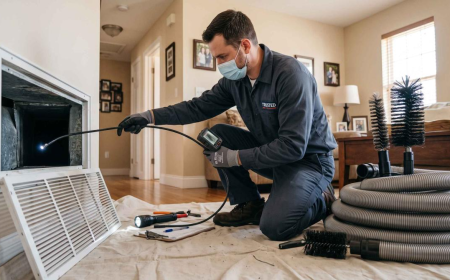
The process generally begins with an inspection of the affected building. Technicians examine kitchens, basements, storage rooms, garages, utility spaces, and other locations where mice may find food or shelter. They may also inspect the exterior of the property for gaps around pipes, damaged vents, openings beneath doors, and other potential access points.
After the inspection, a suitable treatment and prevention plan can be developed. Depending on the findings, this may involve strategically positioned traps, recommendations for improving sanitation, exclusion measures, and follow-up visits to evaluate progress.
Professional services are especially useful when mice continue appearing despite repeated attempts to manage the issue. They can also help identify hidden nesting locations and access routes that might otherwise remain overlooked.
A well-planned service does more than address the mice currently present. It also helps property owners understand how to reduce the likelihood of another infestation.
Preventing Mice from Entering Your Property
Preventing entry is one of the most important parts of long-term rodent management. Mice can squeeze through openings only a few millimetres wide, so even small gaps deserve attention.
Inspect the exterior walls, foundation, doors, windows, and areas surrounding plumbing or electrical services. Seal suitable openings with durable materials selected for the location and the type of gap. Ordinary soft materials may not withstand persistent gnawing, so appropriate rodent-resistant solutions are preferable.
Door sweeps can help close gaps beneath exterior doors, while properly fitted screens protect vents and other openings where ventilation must be maintained. Damaged weather stripping should be repaired, and unused openings should be securely closed.
Rooflines, garages, sheds, and utility entry points should also be checked periodically. In some buildings, rodents may use vegetation, stored materials, or nearby structures to reach vulnerable areas.
Property owners should avoid blocking essential ventilation or interfering with electrical and plumbing systems when sealing openings. Where access points are difficult to reach or their purpose is unclear, a qualified professional can recommend an appropriate solution.
Regular inspections are particularly valuable after renovations, severe weather, or building maintenance because these events can create new gaps that mice may exploit.
Maintaining Clean Kitchens and Food Storage Areas
Cleanliness plays a significant role in reducing the attraction of mice. While good housekeeping alone may not eliminate an existing infestation, it removes many of the resources that help rodents survive.
Store dry foods, grains, cereals, and other pantry products in sturdy containers with secure lids. Cardboard packaging and thin plastic bags offer limited protection against gnawing, so durable storage containers are a better choice.
Clean food preparation surfaces regularly and remove crumbs from beneath tables, cupboards, refrigerators, and cooking appliances. Pay attention to narrow spaces where food particles can accumulate unnoticed.
Rubbish should be placed in containers with tightly fitting lids and removed regularly. Outdoor bins should remain closed, and spilled waste should be cleaned promptly.
Pet food requires similar care. Avoid leaving food bowls filled overnight when they are not needed, and store larger quantities of pet food in sealed containers.
In commercial kitchens, restaurants, and food storage facilities, consistent cleaning schedules and proper waste management are essential. Employees should know how to report possible mouse activity so the issue can be investigated quickly.
These everyday habits help make a property less attractive to rodents and support the results of a professional mice control programme.
Reducing Outdoor Conditions That Attract Mice
Effective mice prevention should include the areas immediately surrounding a building. Outdoor spaces can provide rodents with food, nesting materials, and protected routes towards interior openings.
Keep grass and vegetation maintained near the building. Trim branches and dense growth where practical, particularly when they create sheltered access routes or conceal gaps along exterior walls.
Store firewood, gardening supplies, and other materials away from the building where possible. Items placed directly against walls can create hidden spaces where rodents may shelter undisturbed.
Bird feeders can attract mice when seeds fall onto the ground. Position feeders thoughtfully, clean up spilled seed, and store supplies in secure containers.
Compost areas should be maintained carefully, particularly when they contain food scraps. Choose suitable composting methods and keep containers properly secured to limit access by rodents.
Check sheds, outdoor storage units, and garages for accumulated rubbish, unused cardboard, and other nesting materials. Removing unnecessary clutter makes these areas easier to inspect and maintain.
By managing the exterior environment, Surrey property owners can reduce the number of opportunities mice have to settle close to their buildings.
Safe and Responsible Mouse Management
A responsible approach to mice control considers the safety of people, pets, and the surrounding environment. Treatment methods should be selected according to the property's layout, the level of activity, and the presence of children or animals.
Traps should be placed in locations appropriate for the situation, following the manufacturer's instructions and applicable safety recommendations. They should remain inaccessible to children and pets, and inspections should take place regularly.
Rodent waste requires careful handling. Avoid sweeping or vacuuming dry droppings because this can release contaminated particles into the air. Follow local public health guidance for ventilation, disinfection, protective equipment, and disposal. Anyone dealing with extensive contamination should consider professional assistance.
Food and household items exposed to rodent droppings or urine should be assessed carefully. Contaminated food should be discarded, and affected surfaces should be cleaned according to appropriate public health recommendations.
Property owners should also consider the needs of non-target animals when choosing control methods. A professional technician can explain the available options, placement considerations, and precautions relevant to the property.
Responsible management combines practical treatment with sanitation, exclusion, and monitoring. This approach helps address the immediate issue while reducing avoidable risks.
Why Mice Control Is Important for Businesses in Surrey
Mouse activity can create significant difficulties for businesses, including offices, restaurants, warehouses, retail shops, and commercial storage facilities. Even a small infestation may affect customer confidence, employee comfort, and daily operations.
In food-related businesses, rodents can contaminate ingredients, packaging, preparation areas, and stored products. Their presence may also create concerns during inspections and interfere with established hygiene procedures.
Warehouses and storage facilities face different challenges. Mice can damage cardboard boxes, fabrics, paper records, electrical wiring, and other stored materials. Businesses that hold valuable inventory may experience financial losses when rodent activity remains unnoticed.
Offices are not immune to these problems. Kitchenettes, storage cupboards, suspended ceilings, and quiet service areas can provide suitable conditions for mice.
A commercial prevention plan should include scheduled inspections, secure food storage, regular waste removal, structural maintenance, and clear procedures for reporting signs of rodents. Depending on the type of business, records of inspections and corrective actions may also support ongoing pest management.
Professional mice control can help businesses identify weaknesses in their premises and maintain a cleaner, more reliable working environment.
Mice Control for Apartments and Rental Properties
Apartment buildings and rental properties can be challenging environments for rodent prevention because multiple households share walls, service areas, waste facilities, and other structural features.
A mouse problem in one unit may be connected to openings around plumbing, shared utility spaces, basements, or communal rubbish areas. Treating only the location where mice are seen may not address the full source of the activity.
Tenants should report sightings, droppings, gnaw marks, or unusual scratching sounds to the property manager or landlord promptly. Clear communication helps ensure that inspections and repairs can be arranged without unnecessary delays.
Landlords and property managers should pay attention to gaps around pipes, damaged doors, basement access points, and poorly maintained waste storage areas. Shared spaces should be kept tidy, and maintenance concerns should be addressed promptly.
Where several units are affected, a coordinated inspection may be more effective than separate, unconnected treatments. The management plan should account for access points, common areas, and any responsibilities established under applicable tenancy rules.
Cooperation between tenants, landlords, and pest management professionals can improve results and reduce the chances of recurring mouse activity.
The Importance of Regular Inspections and Follow-Up
Mouse control is most effective when property owners continue monitoring conditions after the initial treatment. A single inspection or trapping session may not reveal every nesting location or entry route, particularly in larger buildings.
Follow-up inspections help determine whether mouse activity has declined and whether the selected measures are working as intended. Technicians can review trap findings, inspect previously affected areas, and recommend adjustments when evidence of continued activity is discovered.
Monitoring also helps identify new problems before they become widespread. Fresh droppings, damaged packaging, or renewed scratching sounds may indicate that further investigation is needed.
Property owners can support this process by maintaining inspection records, noting where signs appear, and reporting changes to their pest management provider. Information about when and where mice have been observed can help narrow down likely movement routes.
The frequency of inspections depends on the building, the severity of the infestation, and the surrounding conditions. Properties with previous rodent problems or extensive food storage may benefit from a more structured monitoring schedule.
Consistent follow-up supports a preventative approach rather than a cycle of responding only when mice become visible.
Choosing the Right Mice Control Surrey Provider
Selecting a suitable mice control provider involves more than comparing prices. Property owners should look for a service that understands local building conditions, offers thorough inspections, and explains its recommendations clearly.
A dependable provider should identify the evidence of mouse activity, discuss likely entry points, and explain the proposed treatment methods. It should also outline relevant safety precautions and provide practical recommendations for reducing future risks.
Ask whether the service includes follow-up inspections and whether technicians can advise on sealing access points and improving sanitation. Understanding the scope of the service helps property owners know what to expect.
Experience with different property types is another useful consideration. A detached home, an apartment building, a restaurant, and a warehouse may require different inspection procedures and prevention strategies.
Clear communication is particularly important when mouse activity is recurring. A provider should explain which problems have been identified, what corrective actions are needed, and how progress will be assessed.
By choosing a service that prioritises inspection, prevention, and responsible management, property owners can make more informed decisions about protecting their buildings.
Conclusion: Maintain a Mouse-Free Property in Surrey
Mice control Surrey requires a practical combination of early detection, effective treatment, structural maintenance, and consistent prevention. Mice can enter through small openings, exploit accessible food sources, and settle in quiet spaces where their presence may go unnoticed for some time.
Recognising warning signs, sealing entry points, maintaining clean storage areas, managing outdoor conditions, and arranging professional inspections can all help reduce rodent activity. Businesses, landlords, and homeowners benefit from taking a proactive approach instead of waiting until the problem becomes more difficult to manage.
Professional assistance can be especially valuable when mice repeatedly return, activity occurs in inaccessible areas, or several parts of a property are affected. A suitable control plan addresses both the immediate infestation and the conditions that allowed it to develop.
With careful maintenance and ongoing monitoring, property owners can create a less attractive environment for mice, protect their belongings, and maintain cleaner, more comfortable homes and workplaces throughout Surrey.











Comments (0)