

HVAC Maintenance Centennial CO: Essential Tips for Year-Round Comfort
Learn why HVAC maintenance matters, what a professional inspection includes, common warning signs, seasonal maintenance tips, and how to care for heating and cooling systems in Centennial, CO.
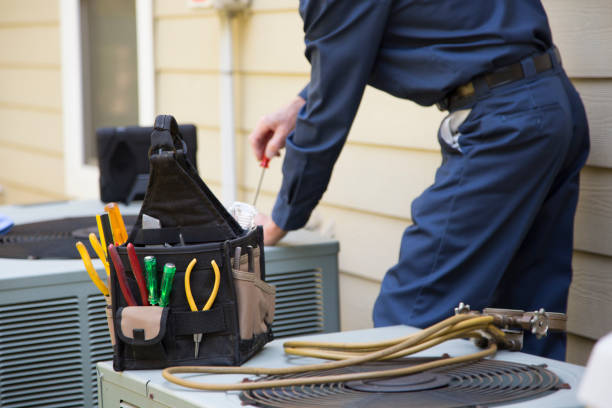
Heating and cooling equipment is easy to overlook when everything is working normally. A furnace that starts reliably and an air conditioner that keeps rooms comfortable rarely attract much attention. However, regular maintenance can help property owners identify developing problems, keep equipment operating properly, and avoid some unexpected breakdowns.
For homeowners and businesses in Centennial, Colorado, maintenance is particularly useful because heating and cooling systems may experience substantial seasonal use. Understanding what routine care involves, which tasks property owners can handle themselves, and when professional attention is appropriate can help protect an HVAC system over time.
Why Regular HVAC Maintenance Matters
Heating and cooling system contain mechanical, electrical, and control components that work together every time the equipment operates. Dust, restricted airflow, worn components, drainage problems, and other conditions can gradually affect performance.
Routine maintenance provides an opportunity to identify these issues before they become more disruptive.
Maintenance can help property owners:
-
Identify developing equipment problems
-
Maintain appropriate airflow
-
Keep system components in suitable operating condition
-
Address dirty or restricted filters
-
Check controls and thermostats
-
Identify unusual wear
-
Review equipment performance
-
Plan repairs before an emergency occurs
Maintenance does not guarantee that a system will never fail. Older equipment can still develop unexpected problems, and individual components can fail without much warning.
The purpose is to take a proactive approach rather than waiting until the system stops working.
Start With the Air Filter
One of the simplest maintenance tasks is checking the air filter.
A heavily restricted filter can reduce airflow and make the heating or cooling equipment work harder. It may also affect comfort in different areas of the property.
The appropriate replacement schedule depends on the filter, equipment, household conditions, and manufacturer's recommendations. Properties with pets, renovation activity, or other sources of airborne particles may require more frequent attention.
Property owners should use a filter that is compatible with the equipment. A filter is not necessarily better simply because it is designed to capture more particles; airflow requirements also need to be considered.
Keep Vents and Returns Clear
Airflow depends on more than the filter.
Furniture, curtains, storage boxes, rugs, and other objects can obstruct supply vents or return grilles. Blocked vents can interfere with air circulation and may contribute to uneven temperatures.
Walk through the property periodically and check that vents and returns are accessible.
If one room remains consistently warmer or colder than others despite clear vents, the problem may involve ductwork, insulation, equipment sizing, or another factor that requires further evaluation.
Inspect the Outdoor Cooling Equipment
Air conditioning systems depend on the outdoor condenser having sufficient airflow.
Leaves, grass, branches, and other debris can accumulate around the equipment. Property owners should keep the surrounding area reasonably clear while avoiding attempts to disassemble or repair the unit themselves.
The condenser should also remain accessible for professional inspection and maintenance.
If the outdoor unit develops unusual sounds, visible damage, or other changes in operation, professional evaluation may be appropriate.
Prepare for the Heating Season
Before colder weather arrives, property owners can perform several basic checks.
Make sure the thermostat operates correctly and confirm that the heating system responds as expected. Check the air filter and ensure that supply and return vents are unobstructed.
Pay attention to warning signs such as unusual furnace noises, inconsistent heating, repeated cycling, or a system that takes unusually long to reach the desired temperature.
Addressing these symptoms before heavy heating use can be more convenient than discovering the problem during a period of high demand.
Prepare for the Cooling Season
The same principle applies before the cooling season.
Check the thermostat, inspect the filter, and make sure vents are unobstructed. Look around the outdoor condenser and remove obvious debris from the surrounding area without interfering with the equipment.
If the air conditioner previously experienced problems such as weak airflow, ice formation, water leaks, or poor cooling, it may be worth arranging professional attention before the system is needed regularly.
What Does Professional HVAC Maintenance Include?
The exact maintenance process varies depending on the type of equipment, its age, condition, and manufacturer recommendations.
A professional inspection may include examining:
-
Filters and airflow
-
Electrical connections
-
Thermostat operation
-
Mechanical components
-
Safety controls
-
Drainage
-
Ductwork where relevant
-
Heating components
-
Cooling components
-
General system operation
The technician may also identify components showing signs of wear and explain whether immediate repair or continued monitoring is appropriate.
The goal is not to replace parts unnecessarily. Good maintenance should help property owners understand the condition of the equipment and make informed decisions about necessary work.
Don't Ignore Unusual Sounds
Changes in equipment noise are worth paying attention to.
A new rattling, squealing, grinding, or buzzing sound can indicate a loose, worn, or malfunctioning component. The exact cause cannot usually be determined from the sound alone.
Property owners should note when the noise occurs and whether it is associated with changes in heating or cooling performance.
If an HVAC system develops a loud or unusual sound, continuing to operate it without investigating the cause may allow a developing mechanical problem to become more serious.
Watch for Uneven Temperatures
Uneven temperatures throughout a property are not always caused by a failing HVAC unit.
Potential causes include restricted airflow, ductwork problems, insulation, building layout, thermostat location, or equipment sizing.
Maintenance is an appropriate time to discuss recurring comfort problems with a professional. If the equipment appears to operate normally but certain rooms remain uncomfortable, the solution may involve air distribution rather than replacing the central system.
Pay Attention to Water and Drainage
Cooling systems produce condensation during normal operation. That moisture needs to drain properly.
Water around indoor equipment, flooring, ceilings, or other areas where it does not belong may indicate a drainage problem or another system issue.
Property owners should not assume that visible water is harmless. Moisture can damage building materials if it remains unresolved.
If a system repeatedly develops water around the indoor unit, professional evaluation can help determine the cause.
Maintenance for Older HVAC Systems
Older equipment may require more careful attention because components can experience wear over time.
An aging system does not automatically need replacement. If it continues to provide reliable heating and cooling and maintenance requirements remain reasonable, continued operation may make sense.
However, frequent repairs, declining performance, repeated breakdowns, and major component failures can change the calculation.
Regular maintenance can provide useful information about the condition of older equipment and help property owners plan for eventual replacement rather than being surprised by a sudden failure.
Commercial HVAC Maintenance Requires Planning
Commercial properties can have more complex heating and cooling requirements than typical homes.
Larger equipment, multiple zones, longer operating schedules, and specialized controls can make maintenance planning more important. A malfunctioning system may also affect employees, customers, inventory, or business operations.
Businesses should consider the specific requirements of their HVAC equipment and establish an appropriate maintenance routine with a qualified professional.
Choosing a Maintenance Provider
The quality of maintenance depends partly on the provider performing the inspection.
Property owners should consider whether the contractor has experience with the type of equipment installed at the property and whether the company handles both residential and commercial systems when necessary.
Before scheduling ongoing service,
ask what the maintenance visit includes and whether the provider will document issues that require attention.
For property owners researching local providers, Breeze Mechanical serves the Centennial area and lists HVAC troubleshooting, installations, furnace installations, and water heater installations among its services. As with any contractor, property owners should confirm that the proposed maintenance covers the equipment and needs of their particular property.
Maintenance Is Not a Substitute for Repairs
One common mistake is treating maintenance as a way to postpone necessary repairs.
If a technician identifies a worn component, electrical issue, drainage problem, or other significant condition, the property owner should understand the potential consequences of leaving it unresolved.
Not every observation requires immediate replacement. Some components can be monitored, while others may present a more urgent concern.
A useful maintenance discussion should distinguish between routine service, recommended repairs, and issues that require prompt attention.
Keep Equipment Records
Maintaining basic records can make future HVAC decisions easier.
Keep information such as:
-
Equipment model numbers
-
Installation dates, if known
-
Previous repairs
-
Maintenance visits
-
Replacement components
-
Recurring problems
-
Manufacturer documentation
These records can help a technician understand the system's history and can also help property owners recognize recurring issues.
For older equipment, maintenance records may be particularly useful when deciding whether continued repair or eventual replacement makes more sense.
Conclusion
Regular HVAC care is about more than keeping equipment clean. It provides an opportunity to monitor system condition, maintain airflow, identify developing problems, and plan repairs before they become major disruptions.
Property owners can handle simple tasks such as checking filters, keeping vents clear, and monitoring system performance. Technical inspections and repairs should be handled by qualified professionals.
For Centennial homeowners and businesses, a consistent maintenance approach can make heating and cooling equipment easier to manage throughout the year while providing a clearer picture of when repairs or eventual replacement may be necessary.
FAQs
How often should HVAC equipment be professionally maintained?
The appropriate schedule depends on the equipment type, age, usage, condition, and manufacturer recommendations. Many property owners arrange maintenance annually, while systems with heavy use or recurring problems may need more frequent attention.
Can regular maintenance prevent an HVAC breakdown?
Maintenance cannot prevent every failure because individual components can fail unexpectedly. However, routine inspections can identify some developing problems, restricted airflow, worn components, and other conditions before they cause a complete system shutdown.
What HVAC maintenance can homeowners do themselves?
Homeowners can generally check filters, keep vents and returns unobstructed, monitor thermostat operation, and keep the area around outdoor equipment reasonably clear. Electrical, gas, refrigerant, and internal mechanical work should be handled by qualified professionals.
breezemechanicalllc













Comments (0)