

Fat Melting Injections in Dubai: Preparation Before Treatment
Prepare properly for fat melting injections in Dubai with guidance on medications, lifestyle changes, skincare, and what to confirm before your appointment.

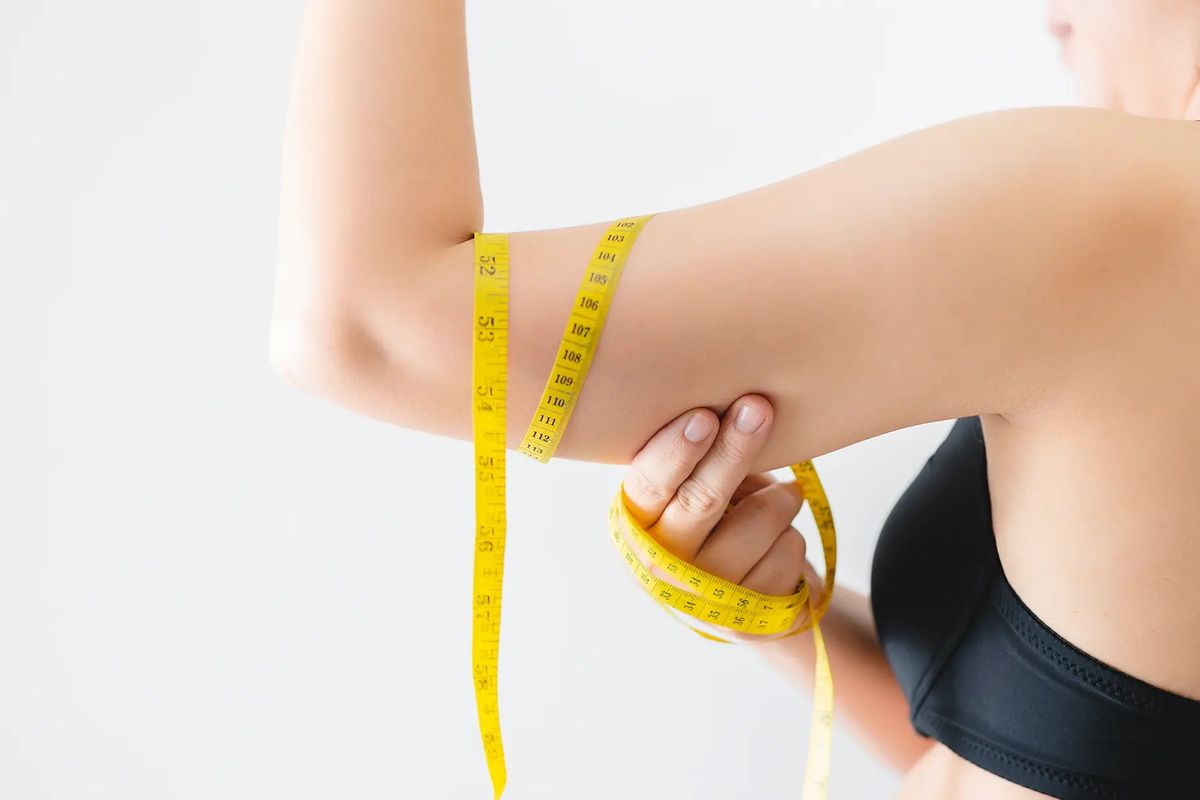
Preparation is one of the most overlooked parts of injectable fat reduction, yet it directly influences both comfort and safety. Patients often focus entirely on the procedure itself while paying little attention to the days leading up to it. Small, sensible adjustments beforehand can reduce bruising, lower complication risk, and make the appointment smoother. This article explains how to prepare for fat melting injections in Dubai, covering medication review, lifestyle adjustments, what to bring, and what to clarify with your clinician before the day arrives. The goal is practical readiness rather than unnecessary restriction.
Why Preparation Deserves Attention
Injectable treatments trigger a tissue response, and how your body handles that response depends partly on your general state beforehand. Hydration, medication use, alcohol intake, and overall health all play a role.
Preparation also reduces uncertainty. Patients who know what to expect and what to avoid tend to feel calmer during the appointment, which in turn makes the procedure easier for both patient and clinician.
Reviewing Your Medications Honestly
Medication review is the most important pre-treatment step. Blood-thinning medications such as aspirin, warfarin, and some direct oral anticoagulants can increase bleeding and bruising. Certain anti-inflammatory drugs and supplements, including fish oil, ginkgo, and high-dose vitamin E, have similar effects.
Never stop a prescribed medication on your own. If you take a blood thinner for a medical reason, the prescribing doctor and your aesthetic clinician should communicate before any decision is made. For non-essential supplements, your clinic may advise pausing them for a defined period.
Lifestyle Adjustments in the Days Before
Several habits influence how your tissue responds. Alcohol is commonly discouraged for a few days before treatment because it can increase bruising and dehydration. Smoking is also relevant, as it affects circulation and healing.
Staying well hydrated supports normal tissue function. Prioritising sleep and maintaining your usual balanced diet is generally sufficient; extreme dietary changes or fasting before treatment are not necessary and may not be advisable.
What to Avoid and When
Timelines vary between clinics, but general guidance for fat melting injections in Dubai often includes:
-
Avoiding alcohol for several days beforehand
-
Pausing non-essential blood-thinning supplements
-
Avoiding strenuous exercise immediately before treatment
-
Not applying lotions, oils, or creams to the treatment area on the day
-
Avoiding sunburn or irritation in the treatment zone
Your clinician will provide specific instructions based on your plan, so follow their guidance rather than generic advice.
Skincare and Skin Condition
The skin over the treatment area should be clean, intact, and free from irritation. Active infections, rashes, open wounds, or recent sunburn in the area are reasons to postpone treatment until the skin has settled.
Avoid harsh exfoliants, retinoids, and acids on the treatment area in the days beforehand. If you have had a recent aesthetic treatment in the same area, tell your clinician so they can assess whether sufficient time has passed.
Medical Checks and Disclosure
Certain conditions may require additional clearance before treatment. If you have diabetes, autoimmune conditions, a history of keloid scarring, or a known allergy to injectable components, this must be disclosed during preparation.
Pregnancy and breastfeeding are contraindications. If there is any possibility you may be pregnant, discuss this before treatment. Blood tests are not routinely required for this procedure, but your clinician may request them if your history suggests a need.
Practical Preparation for the Appointment
Practical steps make the day easier. Wear comfortable, loose clothing that allows easy access to the treatment area. Avoid tight waistbands or restrictive garments if the abdomen or flanks are being treated.
Eat normally on the day rather than skipping meals, as low blood sugar can increase light-headedness. Bring a list of your current medications and any relevant medical information. Allow enough time so you are not rushing, since stress can heighten discomfort.
Planning Around Work and Commitments
Most patients can return to normal activities the same day, but planning is still sensible. If your work involves heavy physical exertion, you may want to schedule treatment before a lighter day.
Avoid arranging important social or professional events immediately after treatment, especially if bruising or swelling would bother you. Building in a small buffer reduces pressure and lets you focus on aftercare.
Questions to Confirm With Your Clinician Beforehand
Before the appointment, confirm the practical details. Useful questions include:
-
Which medications or supplements should I pause, and for how long?
-
What should I avoid eating or drinking beforehand?
-
Who will perform the procedure?
-
How long should I allow for the appointment?
-
What aftercare items might I need at home?
-
How do I contact the clinic if something concerns me afterward?
Clarity on these points removes avoidable uncertainty.
What Preparation Cannot Do
Preparation reduces risk; it does not eliminate it. Even with perfect preparation, side effects such as swelling and bruising can occur, and results still develop gradually.
Preparation also cannot substitute for honest assessment. If you are not a suitable candidate, following every pre-treatment step will not change that. This is why preparation and consultation belong together rather than as separate exercises.
Where Structured Pre-Treatment Planning Helps
Good preparation is guided, not guessed. Clinics that provide written pre-treatment instructions and review your medications in advance are reducing avoidable complications before they can occur.
At Tajmeels Clinic in Dubai, patients preparing for fat melting injections in Dubai receive clear guidance on medications, lifestyle adjustments, and what to expect on the day. This structured approach supports safety and helps patients arrive informed rather than anxious.
Conclusion
Preparing for fat melting injections in Dubai involves honest medication review, sensible lifestyle adjustments, clean and intact skin, and practical planning for the appointment day. Hydration, avoiding alcohol and unnecessary blood-thinning agents, and confirming details with your clinician all reduce avoidable risk. Preparation does not guarantee a complication-free experience, but it meaningfully improves the odds. If you are considering treatment, ask your clinic for written pre-treatment guidance and follow it precisely rather than relying on assumptions.
Book Your Consultation at Tajmeels Clinic
Book your consultation at Tajmeels Clinic to discuss your goals, treatment options, expected results, and recovery with our medical team. Contact us today to learn whether treatment is suitable for you and receive an individualized treatment plan.
WhatsApp: +971 56 203 8751
Phone: +971 4 373 9000
Social Media:












Comments (0)