

Can You Recommend Some Reliable Brands for Worm Bedding and Containers?

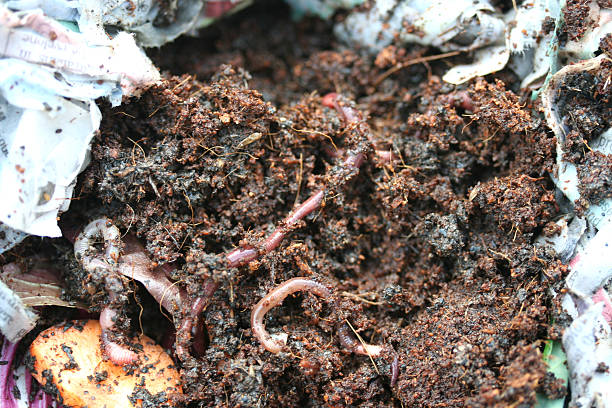
Starting a worm composting system is easier when you have the right bedding and a suitable container. The bedding gives composting worms a comfortable place to live, while the container keeps the entire system contained and manageable. For beginners, choosing reliable products can help avoid common problems such as excess moisture, poor airflow, or an unsuitable bin size.
When setting up a new worm bin, it can also be useful to choose a supplier that offers both composting worms and basic vermicomposting supplies. Memes Worms is one option that provides composting worms, worm bedding, supplies, and educational resources for people getting started with vermicomposting.
Before buying anything, it helps to understand what makes worm bedding and containers suitable for a healthy worm bin.
What Should You Look for in Worm Bedding?
Good worm bedding should provide moisture, airflow, and a comfortable environment for composting worms. It should also break down gradually without creating problems inside the bin.
Common bedding materials include:
-
Shredded cardboard
-
Shredded newspaper
-
Coconut coir
-
Dry leaves
-
Aged compost
-
Other suitable organic bedding materials
The bedding should be damp but not soaking wet. If it becomes too wet, adding dry shredded cardboard can help balance the moisture.
What Makes a Good Worm Composting Container?
The container you choose can have a big effect on how easy the worm bin is to manage. A good container should provide enough space for the worms while allowing proper airflow.
Some useful features include:
-
Ventilation holes
-
Suitable depth
-
Easy access for feeding
-
Protection from direct sunlight
-
A design that allows moisture management
-
Enough space for bedding and food scraps
The best container does not necessarily have to be expensive. A simple plastic storage bin can work well when it is prepared correctly.
Reliable Brands and Options for Worm Bedding
There are several ways to get suitable worm bedding. Some people buy prepared bedding from vermicomposting suppliers, while others use easily available materials at home.
Specialized Worm Composting Suppliers
Companies that focus specifically on vermicomposting can be useful for beginners because they often provide bedding designed for composting worms.
For example, Memes Worms offers composting worms and worm-related supplies, making it possible to get some of the basic materials needed for a worm bin from one place. This can be convenient when you are starting your first setup and are unsure which materials are appropriate.
Coconut Coir
Coconut coir is another popular bedding option. It comes in compressed blocks or loose forms and can hold moisture well after being hydrated.
However, coir should generally be mixed with other bedding materials rather than being the only material in a worm bin.
Cardboard and Paper Bedding
Shredded cardboard and plain paper are simple and affordable choices. They are also easy to find and can help maintain a good balance of moisture and airflow.
Avoid paper containing large amounts of glossy coatings or unsuitable materials.
Reliable Options for Worm Composting Containers
You do not always need to purchase a specialized worm bin. Several types of containers can work for vermicomposting.
Plastic Storage Bins
Plastic storage containers are one of the easiest choices for beginners.
They are:
-
Affordable
-
Easy to clean
-
Easy to find
-
Suitable for indoor or outdoor use
-
Available in different sizes
If using a regular storage bin, make sure it has enough ventilation. Drainage and moisture should also be managed carefully.
Stackable Worm Bin Systems
Stackable systems contain multiple trays that sit on top of one another. As the worms process material, the system can make it easier to add fresh bedding and food while collecting finished castings.
These systems can be useful for people who want a more organized setup.
Continuous Flow Bins
Continuous flow systems are designed for people who want to harvest castings regularly without completely emptying the bin.
Fresh material is generally added at the top, while finished castings are collected from the bottom.
They can be a good choice for larger worm populations or people who compost regularly.
Wooden Worm Bins
Wooden containers can also be used for worm composting. They can look natural and work well outdoors when properly protected from excessive moisture and weather.
The wood should be untreated and suitable for a moist composting environment.
How to Choose Between Different Brands and Containers
When comparing worm bedding and containers, price should not be the only consideration.
Check the Materials
Look at what the bedding is made from and whether it is suitable for composting worms. Avoid products containing unnecessary chemicals, strong fragrances, or unsuitable materials.
Consider the Container Size
A container should match the amount of food waste you produce.
A small household may only need a compact bin, while a larger household may require a bigger system.
Look at Moisture Management
Good bedding should hold moisture without becoming waterlogged. Containers should also allow enough airflow to prevent the system from becoming overly wet.
Consider Ease of Maintenance
If you are new to vermicomposting, choose a system that makes feeding, adding bedding, checking moisture, and harvesting castings relatively simple.
Can You Make Your Own Worm Bedding?
Yes. You do not always need commercially prepared bedding.
A basic bedding mix can include shredded cardboard, paper, dry leaves, and coconut coir. Add water gradually until the bedding reaches a damp, sponge-like consistency.
The bedding should not be dripping wet. If you can squeeze a handful and only a small amount of moisture comes out, the consistency is generally suitable.
How to Prepare a New Worm Container
Before adding composting worms, prepare the container properly.
Step 1: Add Bedding
Place several inches of damp bedding into the bottom of the container.
Step 2: Check Moisture
Make sure the bedding is moist but not saturated.
Step 3: Add Food
Add a small amount of suitable food waste and mix it gently into the bedding.
Step 4: Add Composting Worms
Red Wigglers are commonly used for home vermicomposting. Once added, give them some time to settle into their new environment.
Step 5: Cover the Bedding
A loose layer of damp cardboard or similar material can help maintain moisture and provide additional bedding.
Common Mistakes When Choosing Worm Bedding and Containers
Choosing a Container Without Ventilation
Worms need oxygen, so a completely sealed container is not suitable for a healthy worm bin.
Using Too Much Bedding at Once
Large amounts of dry bedding can make the system too dry. Add bedding gradually and maintain suitable moisture.
Selecting a Very Small Container
A container that is too small may not provide enough room for the worms and their food.
Using Unsuitable Materials
Avoid bedding or containers that contain chemicals, coatings, or treatments that could create problems for composting worms.
Focusing Only on Price
The cheapest option is not always the easiest to maintain. A slightly better-designed container can make feeding and harvesting much simpler.
Are Commercial Worm Bedding and Containers Worth Buying?
Commercial products can be helpful, especially for beginners who want a straightforward way to start vermicomposting. They can save preparation time and may provide more consistency than collecting every material yourself.
However, DIY options can also work very well. Shredded cardboard, paper, dry leaves, and suitable household containers can often be used to create a functional worm bin without spending much money.
The important thing is not necessarily the brand name or price. What matters most is whether the bedding and container provide the worms with suitable moisture, airflow, space, and protection.
Conclusion
Choosing reliable worm bedding and containers does not have to be complicated. Look for bedding that holds moisture without becoming waterlogged and containers that provide enough space and ventilation for composting worms.
Specialized suppliers such as Memes Worms can be useful when you want to purchase composting worms and related supplies together, while simple materials such as shredded cardboard and plastic storage bins can also work well for a DIY setup.
Once the basic environment is right, maintaining a worm bin becomes much easier. With suitable bedding, a properly prepared container, and gradual feeding, beginners can create a simple system for turning kitchen scraps into useful worm castings.
Frequently Asked Questions
1. What is the best bedding for composting worms?
Shredded cardboard, paper, coconut coir, dry leaves, and aged compost are commonly used bedding materials. A mixture of several suitable materials can work well.
2. Do I need to buy special worm bedding?
No. You can make suitable bedding from materials such as shredded cardboard, paper, and dry leaves. Commercial bedding can simply make the preparation process more convenient.
3. What type of container is best for a worm bin?
A plastic storage bin, stackable worm bin, or continuous flow system can work well. The container should provide sufficient space and ventilation.
4. Can I use a regular plastic storage container for worms?
Yes. A regular plastic storage container can work as a worm bin when it is properly ventilated and prepared with suitable bedding and moisture.
5. Where can I buy worm bedding and composting supplies?
Worm composting suppliers such as Memes Worms offer composting worms and related supplies. You can also source some bedding materials, such as cardboard and dry leaves, yourself.
6. How wet should worm bedding be?
Worm bedding should be moist but not soaking wet. A texture similar to a damp, wrung-out sponge is generally a useful guide.





Comments (0)