

How Do Monostable Multivibrators Help Engineers Design Reliable Timing and Control Circuits?
Monostable multivibrators are electronic timing circuits that generate a single controlled output pulse when triggered. Learn their working principle, types, benefits, design factors, and applications in digital electronics, automation, and signal control systems.

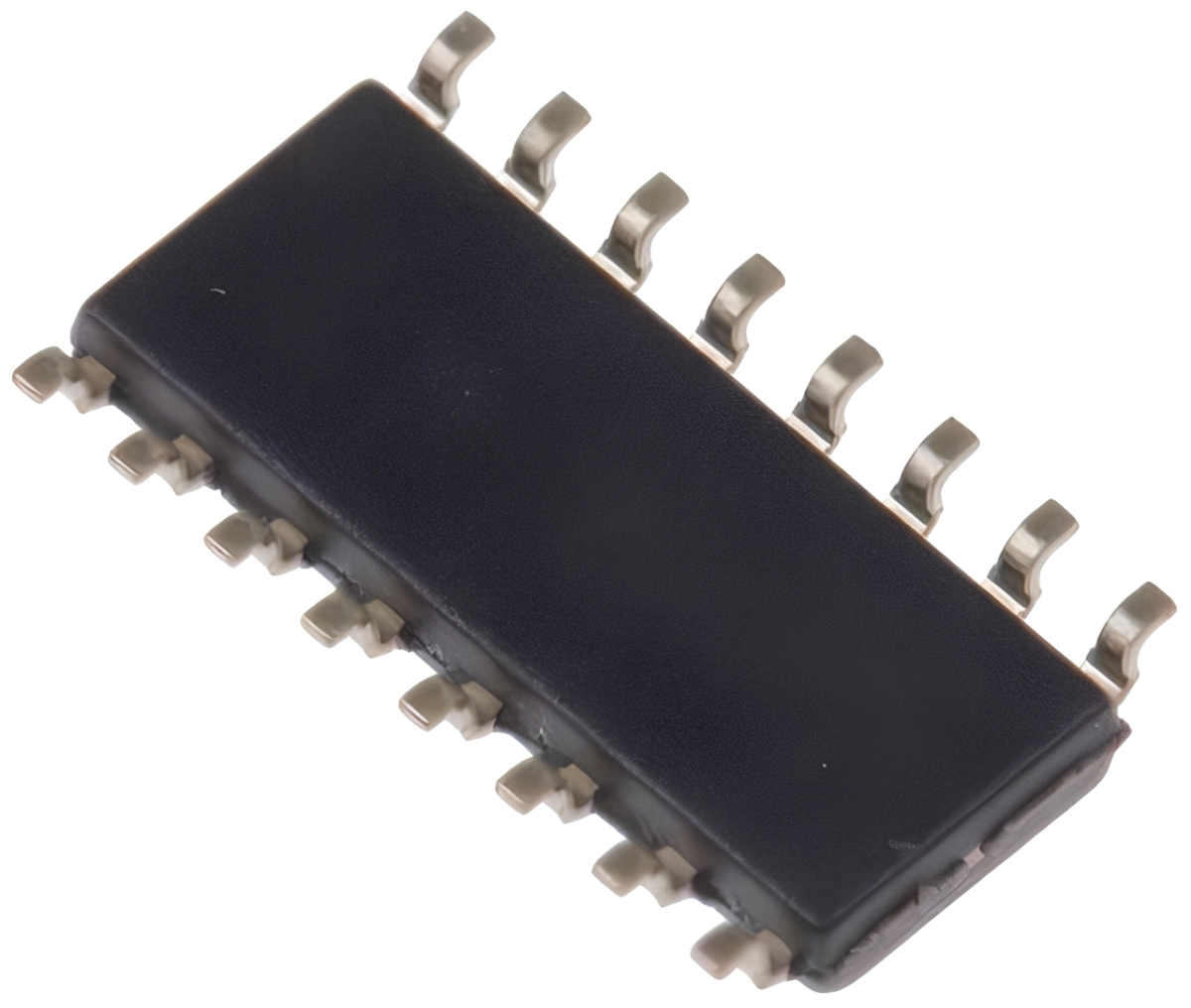
Timing plays a major role in electronic systems because many devices depend on accurately controlled signals to perform specific actions. From simple switching circuits to complex industrial machines, electronic components often require a precise trigger response. Monostable multivibrators provide an effective method for generating a temporary output signal with a fixed duration, making them one of the most useful timing circuits in electronics.
A monostable multivibrator is an electronic circuit that produces a single pulse when activated by an external trigger. After generating this pulse, the circuit automatically returns to its original state and waits for another trigger. This unique operating method allows designers to control events that must occur for a specific time rather than continuously.
These circuits are commonly used in pulse generation, signal correction, automation equipment, digital systems, and control applications. Their simple design and dependable performance have made them an important part of electronic engineering for many years.
The Basic Idea Behind Monostable Operation
The name “monostable” describes the circuit’s behaviour. The term refers to a circuit that has one stable condition. Unlike circuits that continuously change states, a monostable multivibrator remains inactive until it receives a trigger signal.
When triggered, the circuit temporarily moves into another state. This temporary condition lasts only for a controlled period, which is determined by the timing components. Once this period ends, the circuit returns to its stable state automatically.
This operation allows the circuit to perform a specific action only when required. For example, it can switch on a device briefly, create a delay before an operation, or convert a short input signal into a longer output pulse.
Internal Structure of a Monostable Multivibrator
A typical monostable multivibrator consists of switching elements and timing components. The switching section controls the change between states, while the timing section determines how long the temporary state remains active.
The main components involved include:
- Transistors or logic switching elements
- Timing resistors
- Capacitors for charge storage
- Trigger input terminals
- Output terminals
- Reset control components
The interaction between these components creates a controlled pulse response. When the trigger signal arrives, the switching elements change position, and the timing network begins measuring the required delay. Once the timing condition is reached, the original state is restored.
Importance of Trigger Signals
The trigger signal is a critical part of monostable multivibrator operation. Without a proper trigger, the circuit remains in its stable state. The trigger acts as the command that starts the timing sequence.
Different applications may use different trigger sources, including:
- Mechanical switches
- Sensors
- Digital control signals
- Pulse generators
- Microcontrollers
- External timing circuits
A good trigger signal should have the correct voltage level, duration, and polarity required by the circuit. Incorrect triggering can lead to unstable operation or inaccurate timing.
Timing Control and Pulse Duration
One of the main advantages of monostable multivibrators is the ability to adjust the output pulse length. Engineers can modify the timing components to achieve the desired response period.
The pulse duration depends mainly on:
- Resistance value in the timing circuit
- Capacitance value
- Circuit configuration
- Supply voltage conditions
- Component accuracy
This flexibility allows monostable circuits to be used for different timing requirements. A short pulse may be needed for digital switching, while a longer pulse may be required for activating a warning device or controlling a machine operation.
Applications Across Different Industries
Monostable multivibrators are used in many industries because controlled timing is essential in modern equipment. Their ability to create accurate single pulses makes them suitable for various electronic systems.
Major applications include:
- Industrial automation controllers
- Electronic security systems
- Medical equipment timing circuits
- Communication devices
- Consumer electronics
- Measurement instruments
- Robotics systems
- Automotive electronics
- Laboratory equipment
In robotics, monostable circuits can provide timed control signals for motors and sensors. In security systems, they can activate alarms or indicators for a fixed period. In automotive electronics, they can assist with timing-related control functions.
Use in Digital Circuit Design
Digital circuits depend on accurate signal timing to work correctly. Monostable multivibrators are frequently used to improve the quality and reliability of digital signals.
They can perform several important tasks:
- Creating clean digital pulses
- Generating temporary control signals
- Producing reset pulses
- Synchronising circuit operations
- Preventing unwanted multiple inputs
- Supporting logic-based designs
When connected with digital components, monostable multivibrators help ensure that signals arrive at the correct time and with the correct duration.
Removing Noise and Improving Signal Quality
Electronic systems often experience unwanted disturbances caused by electrical noise, mechanical movement, or interference. These problems can create incorrect signals that affect circuit performance.
Monostable multivibrators help solve these issues by producing a controlled output regardless of minor variations in the input pulse. This makes them valuable in signal conditioning applications.
For example, when a mechanical button is pressed, it may create several rapid electrical changes instead of one clean signal. A monostable circuit can process this input and produce a single reliable pulse, improving the accuracy of the connected system.
Advantages for Circuit Designers
Engineers choose monostable multivibrators because they provide a balance between simplicity and functionality. They do not require complicated programming and can be implemented using widely available electronic components.
Important advantages include:
- Simple construction
- Low power requirements
- Cost-effective design
- Fast response time
- Adjustable timing capability
- Reliable operation
- Easy integration with other circuits
These benefits make monostable multivibrators suitable for both educational projects and professional electronic products.
Design Challenges and Solutions
Although monostable multivibrators are simple circuits, designers must consider several factors to achieve accurate results. Timing errors can occur due to component tolerance, temperature changes, or unstable power supplies.
Common challenges include:
- Variation in resistor and capacitor values
- Electrical interference
- Incorrect trigger signals
- Output loading problems
- Temperature-related changes
To improve performance, designers often use precision components, stable power sources, proper circuit layouts, and protective filtering methods.
The Continued Relevance of Monostable Multivibrators
Modern electronics has introduced advanced microcontrollers and programmable systems, but monostable multivibrators remain valuable because of their reliability and simplicity. They provide immediate hardware-based responses without depending on software instructions.
Their fast operation and low component requirements make them suitable for applications where a straightforward timing solution is preferred.
Conclusion
Monostable multivibrators are fundamental electronic circuits that provide controlled single-pulse generation for a wide range of applications. Their ability to create accurate timing responses makes them useful in digital electronics, industrial automation, signal processing, and control systems.
By offering simple design, adjustable timing, and dependable operation, monostable multivibrators continue to be an important technology for engineers and electronic designers. Their practical advantages ensure they remain relevant in both traditional circuits and modern electronic applications.







Comments (0)