

Audio Visual Alarm in Industrial Operations: Improving Warning Communication and Response
Rather than relying on a single type of signal, this combined approach provides two ways to communicate an alert. Understanding how these devices fit into industrial operations can help businesses make informed decisions about warning systems.


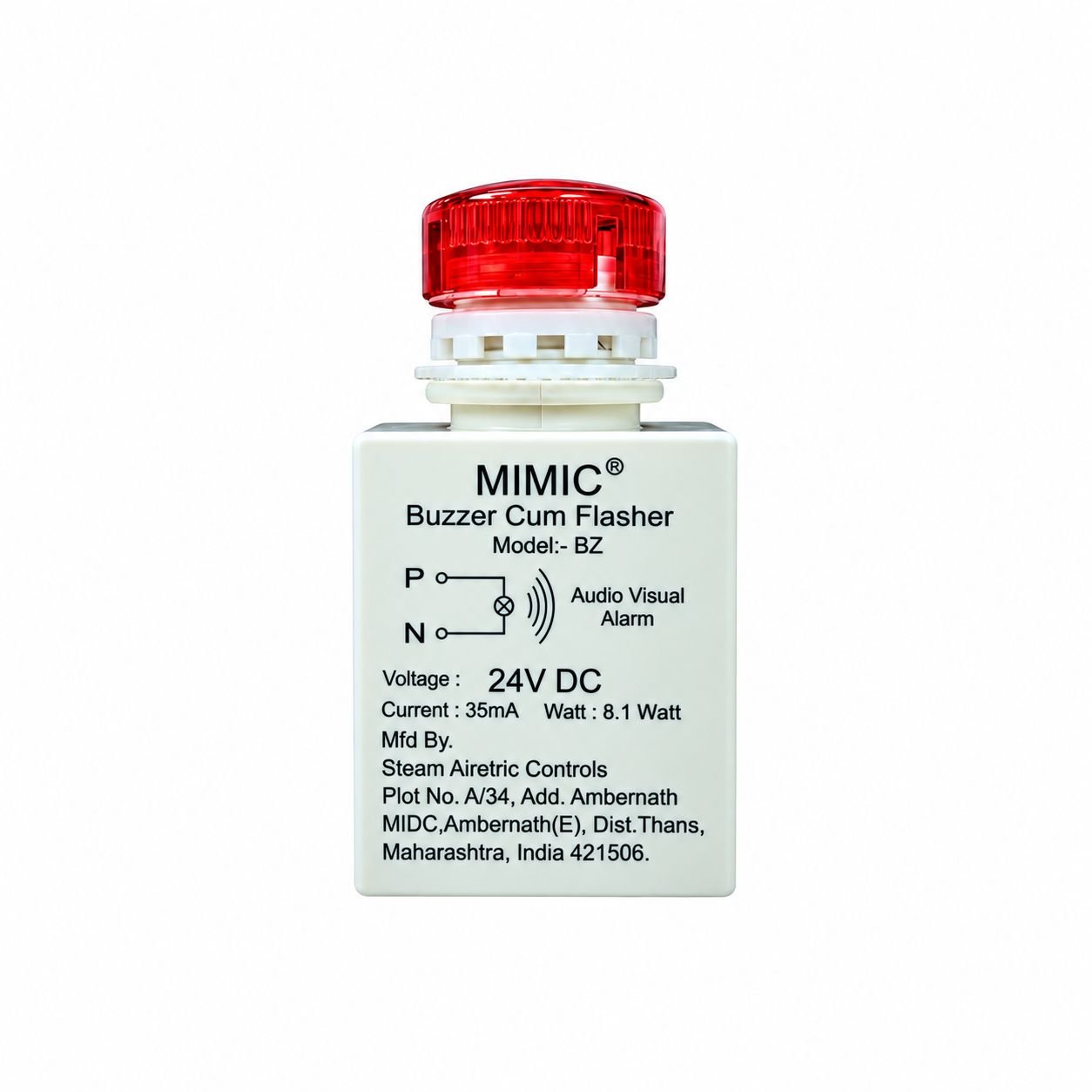
Industrial operations involve many activities happening at the same time. Machines run continuously, electrical panels control different processes, and operators monitor equipment to ensure that work proceeds as expected. In such environments, communicating an abnormal condition quickly is important. An Audio visual alarm can support this process by combining an audible warning with a flashing light, helping draw attention to conditions that may require inspection or action.
Understanding the Role of Warning Signals in Industry
Warning signals help operators recognise when a machine, electrical circuit, or monitored process requires attention. Without a clear indication, an alert may go unnoticed, particularly when personnel are working away from the control panel or concentrating on another task.
A well-planned warning arrangement helps communicate information in a consistent way. Audible signals attract attention through sound, while visual indicators make the warning easier to notice from an appropriate viewing position. The effectiveness of the arrangement depends on suitable equipment selection, correct installation, and clear procedures for responding to alerts.
How Does an Audio Visual Alarm Work?
An audio visual alarm generally combines two signaling functions within one device.
-
Audible notification: A buzzer or similar sound-producing component generates an alert that can attract the attention of nearby personnel.
-
Visual notification: A flashing light provides a visible indication that a warning condition is active.
-
System connection: Depending on the design, the device is connected to an electrical control circuit that activates the warning when a specified condition occurs.
The exact operating method depends on the model and the connected system. Some devices are intended for particular voltage supplies or installation arrangements, so the manufacturer's technical documentation should always be consulted before use.
It is also important to remember that an alarm does not necessarily explain why a fault has occurred. It communicates a warning, while operators must follow the appropriate procedure to investigate the underlying condition.
Why Combined Warning Systems Matter
Supporting Operator Awareness
In a busy production area, employees may not continuously look at an electrical panel or machine display. An audible warning can draw their attention, while the flashing light provides an additional visual cue. This combination can help make selected alerts more noticeable.
Helping Organise Equipment Monitoring
Industrial facilities may contain several machines and control stations. Using clearly defined warning signals can help operators distinguish situations that require attention and follow the correct inspection process.
Providing an Additional Communication Method
A visual indication may be useful when a warning needs to be recognised from a distance, while sound can help attract attention when a person is not facing the equipment. Both signals need to be appropriate for the workplace and its operating conditions.
Supporting Consistent Response Procedures
Warning devices are most useful when employees understand what each alert means. Clear instructions, appropriate training, and regular testing help ensure that an alarm leads to a suitable response rather than confusion or unnecessary interruptions.
Applications Across Different Industrial Environments
The use of an Audio visual alarm depends on the device's ratings and the requirements of the installation. Common application areas include:
1. Electrical Control Panels
Control panels contain components used to manage and monitor electrical systems. A suitable warning device can notify operators when a connected circuit or control arrangement generates an alert.
2. Manufacturing Equipment
Manufacturing machinery may need to communicate selected operating or fault conditions. A combined sound and light signal can help bring an alert to the attention of nearby personnel.
3. Industrial Automation
Automated systems often use sensors, controllers, and monitoring devices to track process conditions. An alarm can be incorporated into an appropriate control arrangement to communicate a predefined warning.
4. Workshops and Maintenance Areas
Maintenance teams may work around multiple machines, electrical installations, and testing equipment. Suitable warning signals can help communicate conditions that need to be checked before work continues.
5. Process Monitoring Stations
Operators responsible for monitoring several processes may benefit from clear, consistent alert arrangements. The alarm should be selected and positioned according to the specific environment and the intended warning function.
These examples are general applications. The suitability of any particular device must be confirmed against its technical specifications and the installation requirements.
What Should Businesses Consider Before Buying?
Selecting a warning device requires a practical assessment of the intended application. The following considerations can help narrow down suitable options.
1. Electrical requirements: Confirm the rated voltage and other relevant electrical characteristics. The device must match the intended supply and control circuit.
2. Sound and light visibility: Consider background noise, ambient lighting, viewing distance, and the location of personnel who need to receive the alert.
3. Installation conditions: Check mounting arrangements, available space, environmental exposure, and any required protection against dust or moisture.
4. Intended warning function: Determine what condition will activate the device and what action operators should take when it sounds or flashes.
5. Maintenance access: Choose an installation position that allows authorised personnel to inspect and test the device safely.
6. Technical documentation: Review the manufacturer's instructions, ratings, and compatibility information rather than relying only on a product name or appearance.
A careful selection process helps reduce the risk of installing a device that is unsuitable for the operating environment.
Installation and Routine Checks
Even a suitable warning device needs correct installation to perform its intended function. Installation should be carried out by qualified personnel in accordance with the manufacturer's instructions and applicable electrical safety requirements.
Before the device is connected, its voltage rating and circuit compatibility should be confirmed. Mounting should provide appropriate visibility and sound coverage for the intended area. Electrical isolation and other required precautions must be followed during installation and maintenance.
Routine checks should verify that the sound and flashing light operate correctly. Personnel should also inspect the housing and connections according to the maintenance schedule. If the alarm does not activate as expected, the issue should be investigated before relying on it for operational warnings.
Testing should form part of a wider maintenance process. An alarm alone cannot replace machine guarding, emergency stops, protective relays, or other safeguards required for a particular installation.
Buzzer Cum Flasher: A Combined Signaling Option
A buzzer cum flasher combines audible and visual warning functions in a single unit, making it a relevant option for certain electrical signaling applications. The appropriate model depends on the supply voltage, mounting requirements, operating environment, and the type of warning needed.
Mimic Products offers a range of Buzzer Cum Flasher products for electrical signaling applications. Businesses reviewing these products should check the individual model specifications to determine whether a device meets their requirements.
Conclusion
Clear warning communication helps operators monitor equipment and respond appropriately to conditions that require attention. By combining audible and visual signals, an Audio visual alarm can support alert awareness in suitable control panels, manufacturing facilities, workshops, and automation systems.
The best choice depends on electrical compatibility, environmental conditions, signaling needs, and installation requirements. Proper maintenance and clear response procedures are equally important to ensure that the warning system remains useful.
For businesses exploring combined signaling devices, Mimic Products provides a range of Buzzer Cum Flasher options. Review the product details and specifications to find a suitable solution for your application.












Comments (0)