

7 Common Mistakes to Avoid When Starting Online Therapy Sessions (and Easy Fixes)
Starting online therapy sessions? Discover 7 common mistakes people make and practical fixes to help you prepare, communicate openly, and get more from therapy.
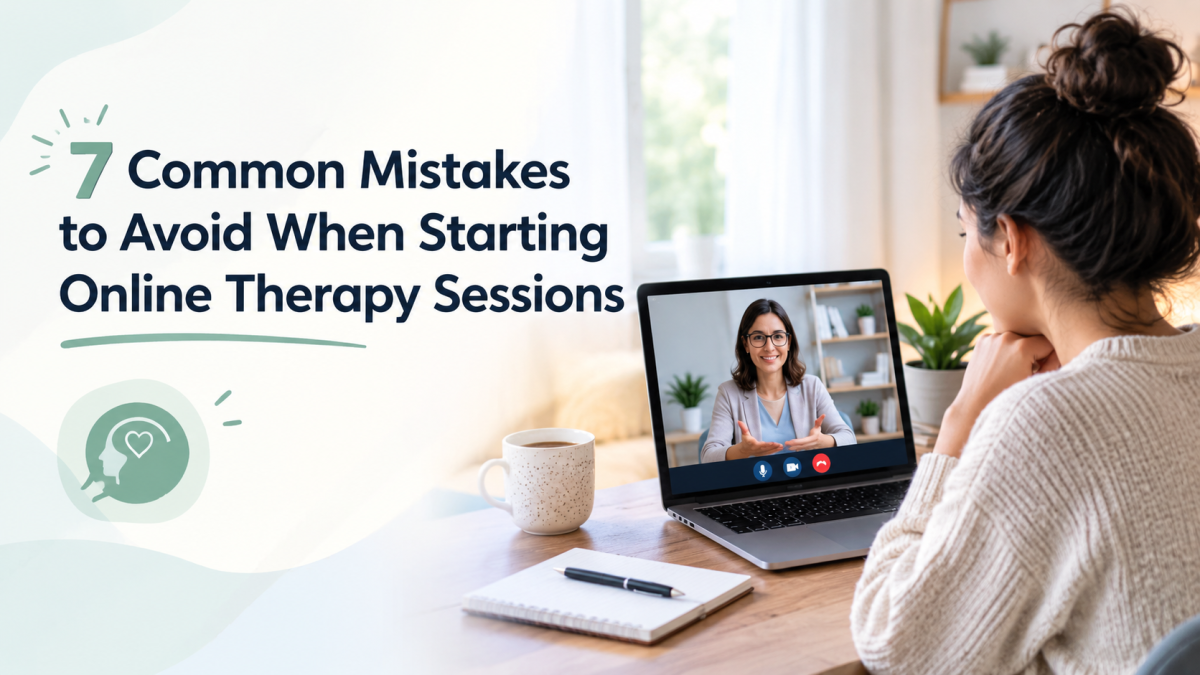
Online therapy sessions have made mental health support more accessible, allowing people to speak with qualified mental health professionals from the comfort of their homes. Whether someone wants to improve emotional well-being, manage everyday stress, strengthen relationships, or develop a better understanding of their thoughts and feelings, online therapy can be a valuable step towards personal growth.
However, starting therapy for the first time can raise questions about communication, privacy, preparation, and expectations. A few common mistakes may make it harder to get the most out of each session, especially when someone is unfamiliar with the online counselling process.
Understanding these challenges can help individuals approach therapy with greater confidence and make their sessions more meaningful. This article explores seven common mistakes people make when starting online therapy sessions and offers practical solutions to help build a positive and productive therapy experience.
1. Expecting Immediate Results from Therapy
One common mistake is expecting therapy to resolve every concern within the first one or two sessions. Although an initial conversation can provide clarity and direction, meaningful personal growth often develops gradually.
Therapy involves understanding emotional patterns, exploring experiences, developing coping strategies, and practising new ways of responding to everyday situations. The time required varies depending on individual needs, goals, and circumstances.
Easy fix: Focus on gradual progress rather than expecting instant changes. Set realistic goals with your mental health professional and acknowledge small improvements, such as expressing emotions more comfortably, recognising personal triggers, or responding to stressful situations more thoughtfully.
Keeping a brief journal between sessions can also help you notice patterns and reflect on the changes you experience over time.
2. Choosing a Therapist Without Checking Their Qualifications
Online therapy offers access to professionals through digital platforms, but providers may have different qualifications, training, and areas of expertise. Choosing someone without checking their professional background may lead to a mismatch between your needs and the support offered.
For example, someone seeking help with relationship concerns may benefit from a professional experience in relationship counselling, while another person may need support with anxiety, emotional regulation, or personal development.
Easy fix: Before booking online therapy sessions, review the professional's qualifications, relevant experience, areas of expertise, and approach to counselling. Check whether their services align with your concerns and whether they follow appropriate confidentiality and professional ethics standards.
You should also feel comfortable asking questions about the therapy process, session format, and what to expect during your first appointment.
3. Attending Sessions Without Preparing
Another mistake is joining a therapy session without thinking about what you would like to discuss. Although there is no requirement to prepare a detailed explanation of your feelings, entering a session with a few thoughts or questions can make conversations more focused.
It is also perfectly normal to feel uncertain about where to begin, particularly during the first appointment. You do not need to understand every emotion or have the right words to describe your experiences.
Easy fix: Spend five to ten minutes before your session reflecting on the following questions:
-
What has been on my mind recently?
-
Which situations or experiences have affected my mood?
-
Is there a particular concern I would like to explore?
-
What would I like to understand or work towards?
-
Are there any questions I want to ask my therapist?
Write down a few points in a notebook or on your phone. You can use these notes as a guide during the conversation without feeling pressured to discuss everything at once.
4. Ignoring Privacy and the Session Environment
One of the advantages of online therapy sessions is that you can attend them from a familiar and comfortable location. However, joining a session in a noisy, crowded, or frequently interrupted environment can make it difficult to concentrate and speak openly.
Privacy is particularly important when discussing personal experiences, family concerns, relationships, or emotional challenges. A secure and comfortable environment can help you feel more at ease throughout the conversation.
Easy fix: Whenever possible, choose a quiet room where you can speak without interruptions. Use headphones if they help improve audio quality and protect your privacy from people nearby.
Before the appointment, check your internet connection, camera, microphone, and device battery. Keep water and any notes you may need within reach.
You can also ask your therapist about the platform's privacy practices and how your personal information is handled. Avoid joining sessions through public Wi-Fi or shared devices when doing so could compromise your privacy.
5. Holding Back Feelings Because of Discomfort
Opening up about personal experiences can take time. Some people may worry about being judged, misunderstood, or unable to explain their feelings clearly. As a result, they might avoid important topics or share only the details they feel comfortable discussing.
Feeling hesitant at the beginning of therapy is understandable. Building trust is a gradual process, and emotional openness does not have to happen all at once.
Easy fix: Start by discussing the concerns you feel ready to share. If you are finding a topic difficult to explain, let your therapist know. You can say that you feel nervous, need more time, or are unsure how to put your thoughts into words.
A qualified mental health professional can help you explore difficult subjects at a pace that feels manageable. You can also ask questions about confidentiality and discuss any concerns about the therapeutic process.
Remember that therapy is a collaborative experience. You can communicate your boundaries, ask for clarification, and take time to develop a comfortable working relationship.
6. Not Applying What You Learn Between Sessions
Therapy provides an opportunity to reflect, gain perspective, and explore new approaches to everyday challenges. However, the benefits of online therapy sessions may be limited if insights gained during appointments are never applied outside them.
Depending on your goals, your therapist may suggest activities such as journaling, practising relaxation techniques, identifying unhelpful thought patterns, or trying different communication strategies. These activities can help you apply what you discuss during sessions to your daily life.
Easy fix: Pay attention to any strategies or exercises you and your therapist agree to work on between appointments. Choose manageable activities that fit your routine rather than attempting to change everything at once.
For example, you might:
-
Record situations that affect your mood.
-
Practise a coping technique discussed during the session.
-
Reflect on how you respond to challenging conversations.
-
Write down questions or observations to revisit next time.
-
Review your progress and discuss any difficulties with your therapist.
Not every approach will work equally well for everyone. Share your experiences with your therapist so that your plan can be adjusted to suit your needs and circumstances.
7. Not Communicating Your Expectations or Concerns
Some people begin therapy without discussing what they hope to achieve. Others continue with an approach that does not feel suitable because they are unsure whether they can express their concerns.
Without open communication, it can become harder to determine whether the sessions are addressing the issues that matter most to you.
Easy fix: Discuss your goals and preferences with your therapist early in the process. These goals do not need to be complicated. You might want to understand your emotions better, improve communication, develop healthier coping strategies, or build confidence in everyday situations.
As therapy progresses, review what feels helpful and what you would like to approach differently. If you have questions about the techniques being used or feel that your concerns are not being addressed, bring them up respectfully.
A collaborative therapeutic relationship allows you and your therapist to work towards shared goals. If the approach or professional relationship continues to feel unsuitable, discussing alternatives may help you determine the next step.
How to Make the Most of Your Online Therapy Sessions
Avoiding these common mistakes can help you approach therapy with greater clarity and confidence. A few consistent habits can also make the experience more comfortable and productive.
-
Choose a convenient schedule: Book appointments at a time when you can participate without rushing or managing competing responsibilities.
-
Be patient with yourself: You do not need to have everything figured out before beginning therapy. It is acceptable to feel uncertain, emotional, or unsure about what to discuss.
-
Stay involved in the process: Ask questions, share feedback, and discuss the concerns that matter to you. Active participation helps your therapist understand your needs more clearly.
-
Respect your personal boundaries: Share information at a pace that feels manageable while remaining open to exploring concerns when you feel ready.
-
Review your progress regularly: Reflect on what you have learned, which strategies have been helpful, and what you would like to focus on in upcoming sessions.
-
Prioritise consistency: Attend appointments as agreed and communicate in advance if you need to reschedule. The right frequency of sessions depends on your individual needs and the plan developed with your mental health professional.
These simple steps can help make online therapy a more structured, supportive, and personally meaningful experience.
Conclusion
Starting therapy is a personal step towards greater self-awareness, emotional well-being, and positive change. Avoiding common mistakes, such as expecting immediate results, overlooking privacy, or hesitating to communicate your concerns, can help you build a more rewarding therapy experience.
Remember that progress looks different for everyone. Give yourself time to learn, ask questions, and practise the strategies you discover along the way. With patience, consistent effort, and the right professional guidance, therapy can become a valuable part of your personal growth journey.
For those looking to begin their mental health journey with professional guidance, Zenup Health offers online therapy sessions and personalised mental health support backed by qualified mental health professionals. Whether you want to manage stress, navigate relationship challenges, or improve your emotional well-being, the right support can help you develop healthier coping strategies and work towards positive change. Book your session with Zenup Health today and take a meaningful step towards better emotional well-being.
Frequently Asked Questions

Zenup Health is a trusted mental health platform in India, backed by experienced psychologists and psychiatrists. We provide professional online therapy, counselling, and psychiatric consultations for individuals dealing with concerns such as anxiety, stress, depression, trauma, relationship concerns, addiction, ADHD, and more. We also offer corporate wellness Programs to support employee mental health, wellbeing, and healthier workplaces.










Comments (0)