

Why Does Precision Turning Matter for High-Performance Components?

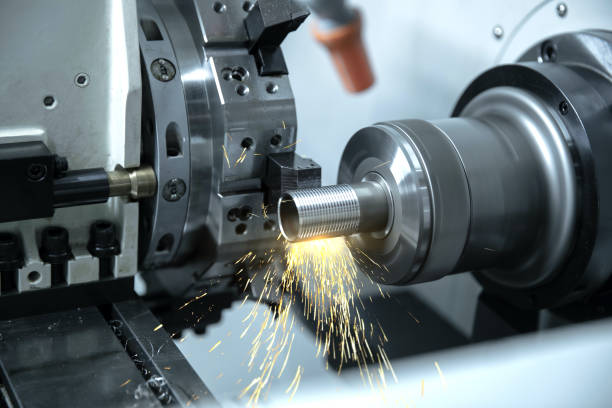
High-performance components don’t get much room for error. A tiny dimensional issue can create vibration, poor fitment, excess wear, or a part that simply doesn’t work the way it should. That’s why choosing the right turned parts manufacturer matters when components need tight tolerances and repeatable results. Precision turning is not just about putting a piece of metal on a machine and cutting it down. There’s a lot more going on. Tool selection, machine control, material behavior, surface finish, inspection, and even how the part is handled afterward can affect the final result. For industries where parts have to perform again and again, those details matter.
What Precision Turning Actually Brings to Component Production
Precision turning uses controlled machining processes to remove material from a workpiece and create specific diameters, threads, grooves, shoulders, tapers, or other features. Sounds simple enough. In practice, getting those features right every single time is where the challenge starts. Modern CNC turning equipment can hold very tight dimensions while producing complicated geometries at useful production speeds. That consistency is especially important when a turned component has to fit into another assembly without excessive clearance or unwanted pressure. A part can look perfectly fine to the eye and still be a problem if it is a few thousandths off in the wrong place. Precision machining helps take that guesswork out of the process.
Why Tight Tolerances Matter in High-Performance Parts
When components operate under heavy loads, high speeds, pressure, heat, or constant movement, tolerances become more than a drawing requirement. They can affect actual performance. Think about a shaft, pin, valve component, bushing, or threaded part. If its dimensions are inconsistent, the assembly may experience friction, leakage, movement, or accelerated wear. Nobody wants to discover that after the equipment is already running. Precision turning allows manufacturers to control critical dimensions closely, which helps components fit as intended. Of course, the exact tolerance depends on the application, material, machine, and engineering requirements. Tighter isn’t automatically better either. Over-machining a part just to chase an unnecessarily tiny tolerance can increase cost without improving performance. The smart approach is machining to what the application actually needs.
Material Behavior Can Change the Machining Result
Here’s something that gets overlooked: metals don’t all behave nicely during machining. Stainless steel, aluminum, brass, titanium, carbon steel, and engineered alloys can respond very differently to cutting. Some generate heat quickly. Others can work-harden or produce difficult chips. Tool wear becomes another issue. As a cutting tool starts losing its edge, dimensions and surface quality can drift. That’s a problem for production runs where hundreds or thousands of components need to match. Experienced precision machinists understand these differences and adjust cutting conditions, tooling, speeds, feeds, and coolant strategies accordingly. It isn’t glamorous work. But this is often what separates a reliable production process from one that keeps creating headaches.
Surface Finish Is More Than a Cosmetic Detail
People sometimes treat surface finish like something that only matters because a part needs to look nice. Not really. The surface left by a turning operation can influence friction, sealing, wear, fatigue resistance, and how another component moves against it. A bearing surface, for example, may require a much different finish than a feature that simply provides clearance. Precision turning can produce controlled surface characteristics based on the needs of the component. Tool geometry, cutting speed, material, machine stability, and finishing operations all play a role. If the drawing specifies a particular finish, it should not be treated as a suggestion. High-performance assemblies depend on surfaces behaving predictably, especially when parts are moving thousands or millions of times over their service life.
Consistency Is Where CNC Turning Earns Its Keep
One accurate prototype is useful. A production run where every component stays within specification is much more valuable. CNC turning gives manufacturers the ability to repeat programmed machining operations with a high degree of consistency. That matters for OEMs and other businesses that need interchangeable components rather than parts that are individually hand-fitted. Once a process is properly developed, inspection data can also help identify trends before they turn into major scrap problems. Tool wear, machine temperature, material changes, and setup conditions can all affect production. Good manufacturers keep an eye on those things instead of waiting until a customer finds the issue. Truth is, consistency is often less exciting to talk about than speed, but it’s what keeps production moving.
Precision Turning Can Reduce Waste and Assembly Problems
There’s another practical benefit. Better machining accuracy can reduce the number of rejected components and prevent problems further down the manufacturing chain. A poorly made turned part might pass through several stages before someone realizes it doesn’t fit correctly. Then you’ve got rework, delayed assembly, wasted material, and probably some frustrated people standing around asking what happened. Precision manufacturing helps catch problems earlier through inspection and process control. It can also reduce the need for manual adjustment during assembly. That doesn’t mean every job becomes cheap simply because CNC equipment is involved. Tooling, programming, inspection, materials, setup time, and production volume all affect cost. Still, producing the right part correctly the first time usually makes more sense than paying to fix the wrong one later.
Choosing a Machining Partner for Demanding Applications
Selecting a machining supplier shouldn’t come down to equipment photos and a promise that everything is “high quality.” Ask practical questions. Can the supplier handle the required materials? What kind of dimensional inspection is used? How are tools monitored during longer runs? Can they manage prototypes and repeat production? What documentation comes with the parts when needed? These details tell you much more about manufacturing capability. A capable CNC turning supplier should also be willing to discuss the design itself. Sometimes a small change to a radius, tolerance, thread, or machining sequence can make a component easier to produce without affecting its function. That kind of conversation is useful, especially for OEMs developing parts where performance and production cost both matter.
How Precision Turning Supports Other Manufactured Components
Precision turned components rarely exist by themselves. They often become part of larger mechanical systems that also depend on fasteners, fittings, housings, shafts, bearings, and other engineered pieces. Every interface has to work together. A precisely machined threaded component, for example, still needs compatible threads and dependable mating hardware. This is where coordination across the supply chain becomes important. Industrial fastener manufacturers and precision machining suppliers may serve different roles, but both contribute to assemblies where dimensional accuracy and material performance matter. When components are made to defined specifications and inspected properly, engineers have a much stronger foundation for building reliable equipment. Small parts, in other words, can have a surprisingly big job.
Conclusion: Precision Matters When Performance Cannot Be Left to Chance
The short answer is that precision turning matters because high-performance components have to do their job without constant adjustment, early failure, or unpredictable fitment. Tight dimensional control, suitable surface finishes, stable processes, and repeatable production all contribute to that outcome. It’s not about making every part impossibly precise. It’s about making each feature precise enough for its actual purpose, and doing it consistently. For manufacturers building demanding equipment, that difference can show up in service life, assembly time, maintenance, and overall reliability. Precision turning may happen on a machine shop floor, but the effects of getting it right are felt much further down the line.







Comments (0)