

Who Needs BLS Certification? A Complete Guide to AHA Training, Skills & Requirements

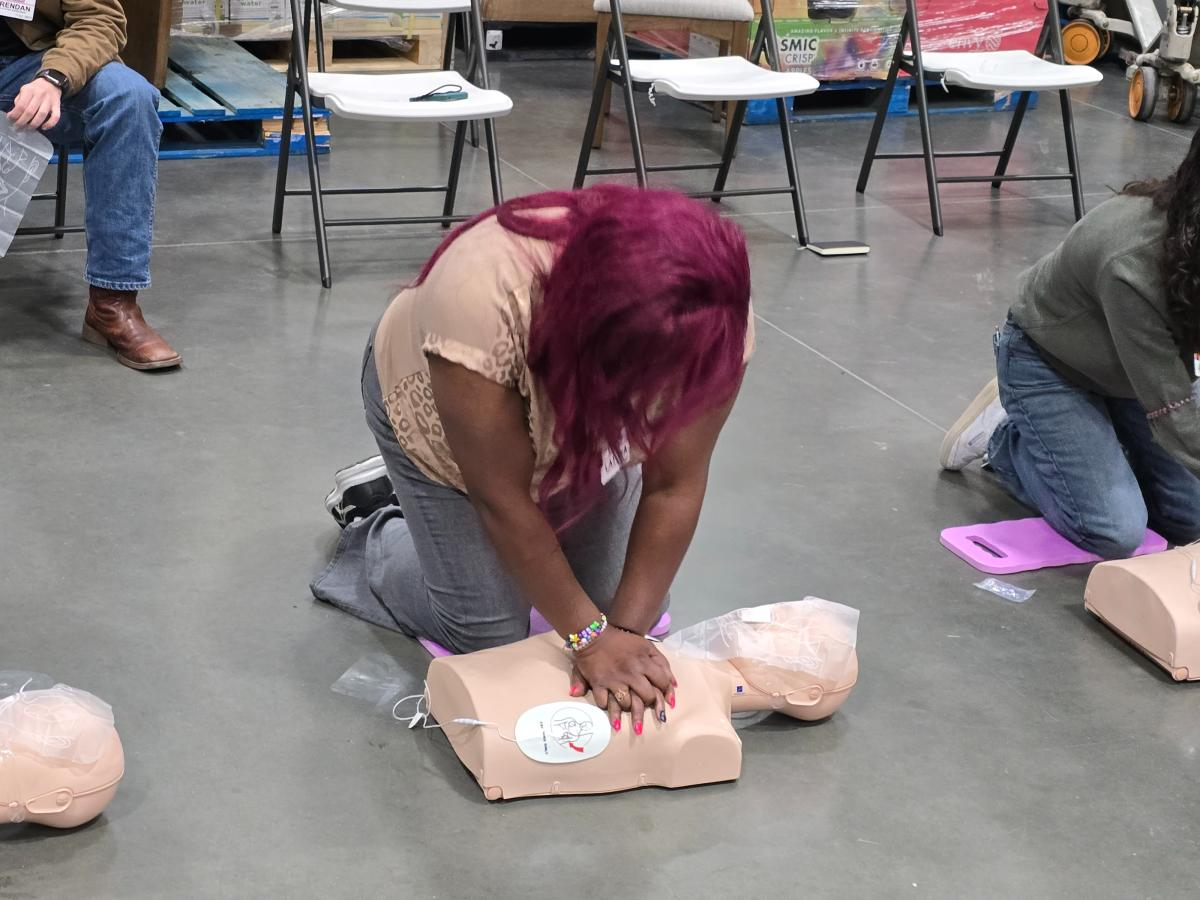
When a medical emergency occurs, the first few minutes can be extremely important. Healthcare professionals and other trained responders need the knowledge and practical skills to act quickly and appropriately. A BLS certification course provides training in essential life-support techniques, while AHA certification can demonstrate completion of recognized American Heart Association training.
If you are a healthcare professional, medical student, or employee who needs BLS credentials, understanding the training requirements can help you choose the right course.
What Is a BLS Certification Course?
A BLS certification course teaches participants how to respond to life-threatening emergencies, particularly cardiac arrest and breathing emergencies. BLS stands for Basic Life Support and focuses on early recognition, CPR, AED use, and coordinated emergency response.
Unlike basic CPR classes designed for the general public, BLS training is commonly intended for healthcare professionals and people whose jobs require them to respond to emergencies.
Depending on the course, participants may practice CPR and emergency-response techniques for adults, children, and infants.
Who Needs BLS Certification?
Who should take a BLS certification course? BLS training is particularly relevant to professionals who may encounter patients or medical emergencies as part of their work.
Common examples include:
-
Doctors and nurses
-
Medical and nursing students
-
Dentists and dental professionals
-
Emergency medical personnel
-
Healthcare assistants
-
Hospital and clinic staff
-
Pharmacists
-
Other healthcare professionals
Requirements can vary depending on an employer, educational institution, or professional organization. Before enrolling, check which certification is required for your specific role.
What Skills Are Taught in BLS Training?
What will you learn during a BLS certification course? The curriculum generally focuses on recognizing life-threatening conditions and providing immediate support.
Depending on the course, training may include:
-
High-quality CPR
-
AED operation
-
Recognition of cardiac arrest
-
Rescue breathing
-
Choking response
-
Adult CPR
-
Child CPR
-
Infant CPR
-
Team-based resuscitation
-
Emergency-response procedures
Hands-on practice is especially valuable because BLS is a practical skill. Participants may need to demonstrate their ability to perform specific techniques during a skills assessment.
What Is AHA Certification?
What does AHA certification mean?
AHA stands for the American Heart Association, which develops educational programs and guidelines related to cardiovascular health and emergency care.
The term AHA certification is commonly used when referring to successful completion of an American Heart Association training course through an appropriate training provider.
AHA offers different types of educational programs, including courses related to BLS, CPR, first aid, and advanced life support. The right course depends on your professional responsibilities and certification requirements.
Is AHA Certification the Same as BLS Certification?
A common question is whether AHA certification and BLS certification are the same thing.
They are related, but the terms describe different things. BLS refers to the type of life-support training, while AHA refers to the organization associated with the training program.
For example, an individual can complete an AHA BLS course. In this case, BLS identifies the course, while AHA identifies the organization providing the educational program.
Understanding this distinction can help you search for the correct certification.
Why Is BLS Training Important for Healthcare Professionals?
Why is BLS training important? Healthcare professionals may encounter cardiac arrest, respiratory emergencies, choking, or other critical situations during their work.
BLS training provides an opportunity to learn and practice standardized emergency-response techniques. It can also help participants understand their role when working as part of a resuscitation team.
Regular training is valuable because emergency skills can become less familiar when they are not practiced regularly.
How Do You Choose the Right BLS Certification Course?
Choosing the right BLS certification course starts with understanding your certification requirements.
If your employer, hospital, college, or professional organization requires BLS certification, verify which provider and course they accept before registering.
You should also consider:
-
Does the course include hands-on practice?
-
Is AED training included?
-
Does it cover adult, child, and infant CPR?
-
Is a practical skills assessment required?
-
Is the course designed for healthcare professionals?
-
How is the certification issued?
-
When does the certification expire?
-
Is recertification available?
Checking these details beforehand can help ensure that your certification meets your professional requirements.
How Long Does a BLS Certification Course Take?
How long does BLS training take? The duration can vary based on the course provider, training format, and participant experience.
Some courses use a blended format that combines online educational content with an in-person skills session. Other programs may use primarily classroom-based instruction.
Because requirements differ, review the course schedule before registering and confirm that the training format is accepted by your employer or institution.
When Should You Renew BLS Certification?
When should you renew your BLS credential? The renewal period depends on the specific certification and issuing organization.
It is a good idea to check your certification expiration date and arrange renewal training before your credential expires. Waiting until the last moment can create unnecessary problems if your employer requires current certification.
BLS recertification also provides an opportunity to review CPR, AED, and emergency-response skills and maintain familiarity with current training requirements.
What Should You Check Before Taking AHA Training?
Before registering for an AHA certification course, make sure you understand exactly what credential you need.
Ask the training provider:
-
Is this the correct AHA course for my professional role?
-
Does the course include practical skills training?
-
Is an in-person skills assessment required?
-
Does my employer or school accept this certification?
-
How long is the certification valid?
-
What documentation will I receive after successful completion?
-
Are renewal or recertification courses available?
Getting clear answers can help you avoid taking a course that does not meet your workplace or educational requirements.
Can Students Benefit From BLS Certification?
Yes. BLS certification can be particularly useful for students preparing for careers in healthcare.
Medical, nursing, dental, and other healthcare students may encounter certification requirements during their education, clinical training, or employment. Completing the appropriate BLS course can help students prepare for situations where emergency-response skills may be required.
However, students should always confirm the exact certification requirements with their college, clinical placement, or future employer.
Final Thoughts
A BLS certification course provides practical training for responding to serious medical emergencies, including cardiac arrest and breathing emergencies. For healthcare professionals and students, having the appropriate BLS credential can be an important part of professional preparedness.
AHA certification can refer to completion of an American Heart Association training program, including BLS and other emergency-care courses. Before enrolling, identify the exact credential you need and confirm that the course meets your employer, school, or professional requirements.
Keeping your certification current and regularly refreshing your emergency-response skills can help you stay prepared to act when your knowledge and training are needed most.










Comments (0)