

Miniature Highland Cow: A Complete Guide to These Charming Cattle
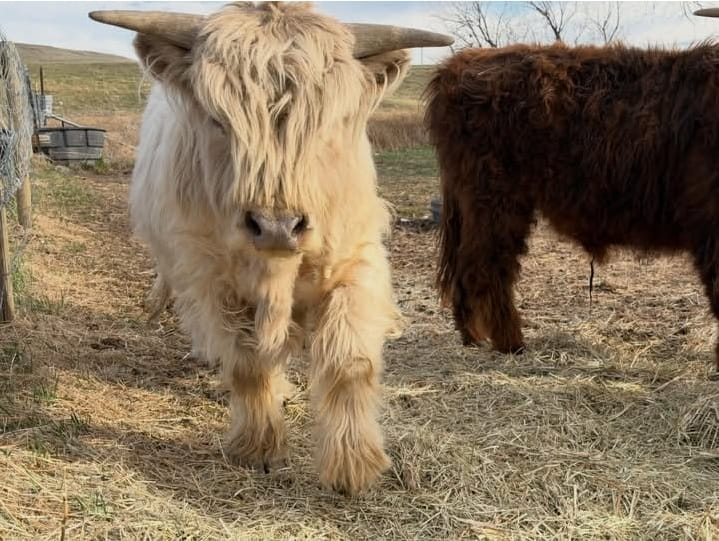
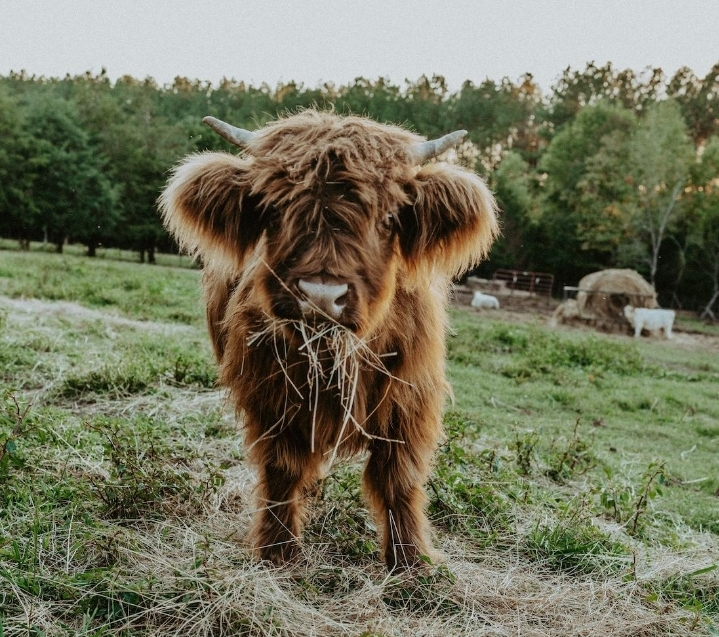
The [Miniature Highland Cow](https://rhemaminiatureranch.com/product-category/mini-highland-cow/?utm_source=chatgpt.com) has become increasingly popular among small-farm owners, homesteaders, and people who simply appreciate the distinctive appearance of Highland cattle. With their shaggy coats, expressive faces, and impressive horns, these smaller Highland cattle have a unique presence on the farm.
What Is a Miniature Highland Cow?
Miniature Highland cattle are smaller-framed Highland cattle developed through selective breeding. They retain many of the recognizable characteristics associated with the traditional Highland, including a long, thick coat, horns, and the breed's characteristic head and body structure.
It's important to remember that "miniature" does not mean tiny. These are still cattle that require appropriate fencing, pasture, nutrition, veterinary care, and responsible handling. Some organizations use specific mature height measurements when classifying miniature Highland cattle, so buyers should ask breeders how they define and measure their animals.
The Distinctive Appearance of Mini Highland Cattle
One of the biggest attractions of the [Miniature Highland Cow](https://rhemaminiatureranch.com/product-category/mini-highland-cow/?utm_source=chatgpt.com) is its appearance.
Highland cattle are recognized for:
Long, flowing coats
Prominent horns
Broad heads
Short, strong legs
A thick forelock over the forehead
Several possible coat colors, including red, black, white, yellow, brindle, and dun
The Highland Cattle Society describes the breed as having a long, thick coat and distinctive sweeping horns, with several naturally occurring coat colors.
Why Are Miniature Highland Cows Popular?
Their compact size and recognizable appearance make Miniature Highland cattle attractive to people interested in smaller-scale livestock. Highland cattle themselves are known for being adaptable and hardy, and the breed can be kept in a variety of farming environments.
Their appearance also makes them particularly eye-catching. A fluffy Highland calf grazing in a pasture can quickly become one of the most noticeable animals on a small farm.
However, potential owners should focus on the animal's health, genetics, conformation, age, mature size, and temperament rather than choosing an animal based only on its appearance.
Caring for a Miniature Highland Cow
Despite their adorable appearance, Miniature Highland cattle have the same fundamental needs as other cattle.
Quality Nutrition
Fresh water and appropriate forage are essential. Depending on pasture quality, age, reproductive status, and other factors, cattle may also require hay, minerals, or additional nutrition.
Adequate Space and Fencing
A secure pasture and suitable fencing are important for keeping cattle safe. Owners should also provide an environment appropriate for grazing, movement, handling, and weather conditions.
Shelter and Weather Management
Highland cattle have a naturally thick coat and are well adapted to challenging conditions. The Highland Cattle Society notes that the breed is exceptionally hardy and can thrive in difficult environments.
That does not eliminate the need for responsible weather management. Owners should provide appropriate shade, water, shelter where necessary, and monitor animals during extreme temperatures.
Veterinary Care
Routine veterinary care, parasite management, hoof care, vaccinations where recommended, and regular observation are all important parts of responsible cattle ownership.
What to Look for When Buying a Miniature Highland Cow
If you're searching for a [Miniature Highland Cow](https://rhemaminiatureranch.com/product-category/mini-highland-cow/?utm_source=chatgpt.com), take time to learn as much as possible about the animal before purchasing.
Consider asking the breeder or seller:
1. How old is the animal?
2. What is its current height?
3. What are the sire and dam's details?
4. What health records are available?
5. What vaccinations and veterinary care has it received?
6. What type of feed is it currently eating?
7. What is its temperament around people?
8. Can you see recent photographs or videos?
9. How is the animal transported?
10. What documentation accompanies the sale?
For miniature cattle in particular, asking about mature size and how the animal's size was determined can be useful. Some miniature Highland organizations use mature hip-height measurements rather than relying on an animal's appearance as a calf.
A Beautiful Addition to the Farm
The appeal of the [Miniature Highland Cow](https://rhemaminiatureranch.com/product-category/mini-highland-cow/?utm_source=chatgpt.com) goes beyond its fluffy coat. These animals combine the recognizable characteristics of Highland cattle with a smaller frame, making them an interesting option for people exploring miniature livestock.
Whether you're researching cattle for a homestead, expanding an existing herd, or simply learning more about Highland cattle, responsible research is the best place to start.
Explore Miniature Highland Cattle
If you're interested in seeing available animals and learning more about Miniature Highland cattle, visit [Rhema Miniature Ranch's Mini Highland Cow collection](https://rhemaminiatureranch.com/product-category/mini-highland-cow/?utm_source=chatgpt.com).
SEO title: Miniature Highland Cow: Complete Guide, Care & Characteristics
Meta description: Learn about Miniature Highland Cow characteristics, appearance, care, size, feeding, and what to consider when choosing a Miniature Highland cattle breeder.

I’ve been looking into Mini Highland Cow For Sale options, and it’s amazing how much these little cattle have grown in popularity. They’re adorable, unique, and can make a wonderful addition to a small farm or homestead. If you’re considering getting one, you can check out "Mini Highland Cow For Sale" (https://rhemaminiatureranch.com/) to learn more about available cattle and what to look for when choosing one.


Comments (0)