

The Key Symptoms of Low Sperm Count: Insights for Men’s Health
Low sperm count often has no visible symptoms and may only be identified when a couple experiences difficulty conceiving. This guide explains the possible warning signs, including testicular discomfort, scrotal swelling, hormonal changes, reduced libido, erection concerns, and ejaculation-related symptoms. It also covers the role of semen analysis, lifestyle factors that can affect sperm health, and when men should seek fertility testing in Kallakuruchi.

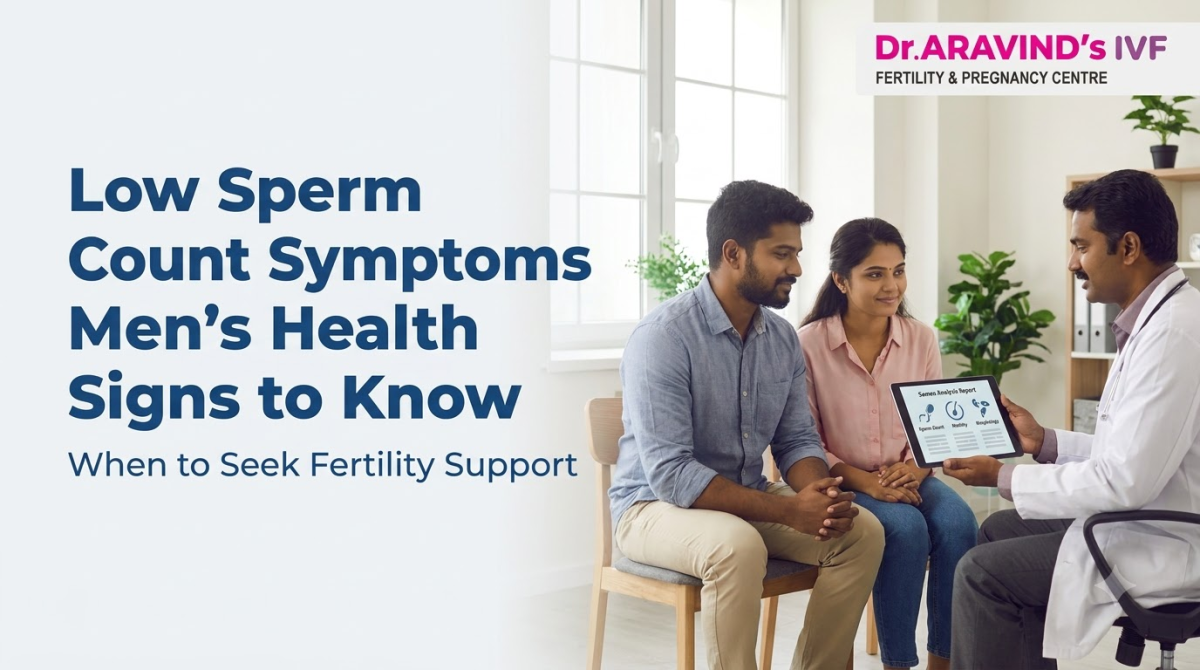
Low sperm count frequently has no clear physical symptoms, which means many men discover it only after a semen test or difficulty conceiving. Recognising related testicular, hormonal, and ejaculation concerns can help men seek the right evaluation early. A consultation at a trusted Fertility centre in Kallakuruchii can provide clear answers and a personalised fertility plan.
What Is Low Sperm Count?
Low sperm count, medically called oligozoospermia, means fewer sperm are present in the semen than expected. Sperm count is important, but it is not the only measure of male fertility. Sperm movement, shape, vitality, and semen volume also influence the likelihood of fertilisation.
A semen analysis commonly assesses:
-
Sperm concentration
-
Total sperm count
-
Sperm motility, or movement
-
Sperm morphology, or shape
-
Sperm vitality
-
Semen volume
Semen may look normal even when sperm count is low. Colour, thickness, or amount of semen cannot confirm sperm health. A laboratory semen analysis is the reliable way to assess male fertility.
For more detailed information, read low sperm count symptoms in men.
Difficulty Conceiving Is Often the First Clue
For many men, difficulty achieving pregnancy is the main sign. Low sperm count may not affect sexual desire, erections, or everyday health.
Consider a fertility evaluation when:
-
Pregnancy has not occurred after 12 months of regular unprotected intercourse
-
The female partner is 35 or older, and pregnancy has not occurred after 6 months
-
There is a previous abnormal semen report
-
There is a history of testicular injury, surgery, infection, or undescended testicles
-
There has been chemotherapy or pelvic radiation
-
There are concerns about erection, libido, or ejaculation
A fertility assessment should involve both partners. A Fertility centre in Kallakuruchii can evaluate male and female factors together to avoid unnecessary treatment delays.
Testicular Symptoms to Take Seriously
Low sperm count itself may not cause pain. However, some medical conditions linked to reduced sperm production can cause visible or physical changes.
Speak with a specialist if you notice:
-
Persistent testicular pain or heaviness
-
Swelling in the scrotum
-
A lump in or near a testicle
-
Enlarged or twisted-looking veins around the scrotum
-
A change in testicular size or firmness
-
Previous injury to the testicles or groin
A varicocele, which is an enlargement of veins in the scrotum, may affect sperm production in some men. Sudden severe pain, a new lump, rapidly increasing swelling, fever with scrotal pain, or testicular trauma requires prompt medical care.
Hormonal Signs and Sperm Production
Sperm production depends on hormone signals between the brain and the testicles. Low testosterone or other hormonal conditions may affect sperm production and lead to changes in general well-being.
Possible signs include:
-
Reduced sexual desire
-
Fewer morning erections
-
Difficulty maintaining an erection
-
Ongoing tiredness
-
Reduced facial or body hair
-
Breast tenderness or enlargement
-
Reduced muscle strength
-
Mood changes
-
Smaller testicles
These signs do not prove low sperm count, but they may indicate a hormonal issue that needs testing. The doctor may recommend testosterone, FSH, LH, thyroid, or prolactin tests based on your symptoms and semen analysis.
Avoid taking testosterone injections, anabolic steroids, or unregulated gym supplements when trying for pregnancy. These products can suppress the body’s own sperm production.
Ejaculation Changes That Need Review
Some men make sperm normally but have difficulty delivering sperm in the semen. This can affect fertility and may require a different type of treatment.
Seek medical advice for:
-
Very low semen volume
-
Dry orgasm
-
Difficulty ejaculating
-
Pain during ejaculation
-
Blood in semen
-
Erectile dysfunction
-
Changes after pelvic, prostate, or spinal surgery
Diabetes, nerve conditions, medications, infections, hormonal issues, and previous surgery may contribute to ejaculation concerns. An open discussion with the fertility doctor is an important part of diagnosis.
Lifestyle and Health Factors
Lifestyle factors do not explain every case, but some can affect sperm quantity and quality. Review these honestly during your consultation:
-
Smoking, tobacco, or recreational drug use
-
Heavy alcohol intake
-
Excess weight
-
Diabetes or thyroid disorders
-
Frequent exposure to high heat
-
Poor sleep or prolonged stress
-
Workplace chemicals or toxins
-
Certain prescription medicines or supplements
The best IVF centre in India should give realistic, evidence-informed advice. No single supplement or lifestyle method can guarantee a normal sperm count, so a medical evaluation remains important.
How Low Sperm Count Is Diagnosed
A semen analysis is the main test. If the report is abnormal, the doctor may recommend repeating it because sperm values can vary.
Further assessment may include:
-
Medical and reproductive history
-
Physical examination
-
Hormone testing
-
Scrotal ultrasound when needed
-
Infection screening
-
Genetic testing in selected severe cases
The results help identify whether lifestyle measures, treatment for an underlying condition, IUI, IVF, or ICSI may be appropriate.
Treatment and Fertility Options
Treatment depends on the cause. Some men may benefit from treating infection, correcting hormonal concerns, managing a varicocele, or improving relevant lifestyle factors.
If sperm count or movement is severely reduced, IVF with ICSI may be discussed. During ICSI, an embryologist selects one sperm and injects it into a mature egg. This may help selected couples when natural conception or IUI is less likely to be effective.
Our Clinic
Dr. Aravind’s IVF
Dr. Aravind’s IVF provides confidential male-fertility assessment and individualised treatment guidance for couples in Kallakuruchii. The team reviews semen analysis results, medical history, hormone health, lifestyle factors, and female partner fertility to recommend suitable next steps.







Comments (0)