

What Actually Happens During a California Live Scan Service Appointment
This digital transmission is exactly why most agencies now require or strongly prefer a California Live Scan service over the older paper-based method.

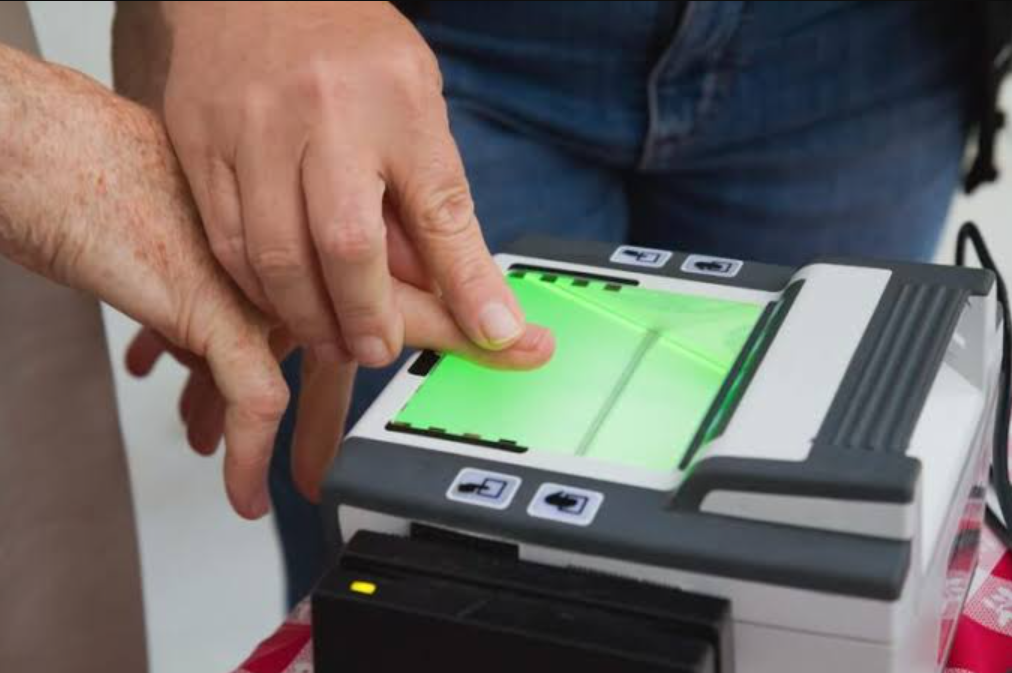
Live Scan fingerprinting has become the standard method for background checks across California, but many first-time applicants have no idea what the appointment actually involves. Knowing what to expect removes most of the uncertainty around the process.
Why Live Scan Replaced Ink Fingerprinting
Live Scan captures fingerprints electronically and transmits them directly to the Department of Justice and FBI, making it faster, more secure, and less prone to errors than traditional ink cards. This digital transmission is exactly why most agencies now require or strongly prefer a California Live Scan service over the older paper-based method.
Before the Appointment
Applicants typically need a completed Live Scan request form, provided by the requesting agency or employer, along with valid government-issued identification. Bringing the correct form with the right billing and ORI codes prevents delays or the need for a repeat visit.
What Happens During the Appointment Itself
A typical Live Scan appointment takes about ten minutes total, split roughly evenly between paperwork and the actual electronic scanning process. The scanning itself is quick and painless, involving no ink and minimal physical contact beyond placing fingers on the scanner.
Why Fingerprinting Is Required So Often
Criminal history checks are reported by roughly 93 to 94 percent of employers that conduct any form of screening, according to recent background screening research. Fingerprinting is frequently a legal requirement across healthcare, finance, childcare, and government-related roles specifically.
How Long Results Take
Results typically post within 24 to 72 hours for DOJ-only checks, while combined DOJ and FBI checks can take three to seven business days. Applicants working against a deadline should schedule their Live Scan appointment well ahead of any submission requirement.
Who Actually Needs Live Scan Services
-
Job applicants in fields requiring pre-employment background screening.
-
Professional license applicants, including teachers, nurses, and real estate agents.
-
Volunteers for schools, churches, and youth organizations.
-
Prospective adoptive and foster parents, and immigration applicants.
Common Mistakes That Cause Delays
Bringing an incomplete or incorrect request form is one of the most common reasons a Live Scan submission gets delayed or rejected. Double-checking the form's agency and billing information before the appointment prevents this avoidable setback.
What Happens After Submission
Once submitted, results go directly to the requesting agency, not the applicant. Applicants typically need to follow up with that agency directly for confirmation, rather than expecting results delivered to them personally.
What If the Results Show a Discrepancy
If a background check surfaces a discrepancy, the requesting agency typically follows its own process for review, which may include giving the applicant a chance to respond. The Live Scan provider itself has no role in that review process beyond capturing and transmitting accurate fingerprint data.
Choosing Where to Get Fingerprinted
Live Scan locations vary in appointment availability, walk-in policies, and hours, which matters for applicants working against a deadline. Confirming these details before showing up avoids an unnecessary wasted trip.
Why Applying Early Matters
Given that combined DOJ and FBI checks can take up to a week, applicants facing a licensing or employment deadline should schedule their appointment as early as possible in the process. Waiting until the last minute leaves no room for an unexpected delay or a need to resubmit.
Mobile Live Scan Services
Some providers offer mobile Live Scan services that travel to an office, school, or event, which can simplify fingerprinting for a large group at once. This option is particularly useful for employers or organizations processing many applicants during a single hiring or onboarding period.
Understanding ORI and Billing Codes
Every Live Scan request form includes an ORI code identifying the requesting agency and billing information determining who pays for the submission. Entering the wrong code is a common, entirely avoidable reason a submission gets rejected or delayed.
Technician Training Behind the Scenes
Live Scan technicians receive specific training on proper finger rolling technique and recognizing when a print needs to be recaptured for quality. This training is what keeps rejection rates low despite the process looking simple from the applicant's side.
Employer Bulk Scheduling
Employers with recurring hiring needs sometimes set up standing arrangements with a Live Scan provider to streamline scheduling for new hires. This kind of arrangement reduces onboarding delays compared to each new employee scheduling an appointment independently.
Renewal Fingerprinting for License Holders
Many professional licenses require periodic re-fingerprinting even for someone who was previously cleared, not just at initial licensure. License holders should check their specific renewal cycle rather than assuming their original clearance remains valid indefinitely.
What Happens if an Applicant Moves Out of State
An applicant relocating mid-process should confirm whether a new Live Scan submission is required in the new state or if the original result still applies. Rules on this vary significantly by profession and by the specific licensing board involved.
A Live Scan appointment is a short, straightforward process once an applicant knows what to bring and expect. Most of the friction people experience comes from incomplete paperwork, not the fingerprinting process itself.







Comments (0)