

Nasha Mukti Kendra in Punjab: What Happens After Detox
What happens after detox? Learn how a Nasha Mukti Kendra in Punjab can support counselling, healthy routines, relapse prevention and long-term recovery.

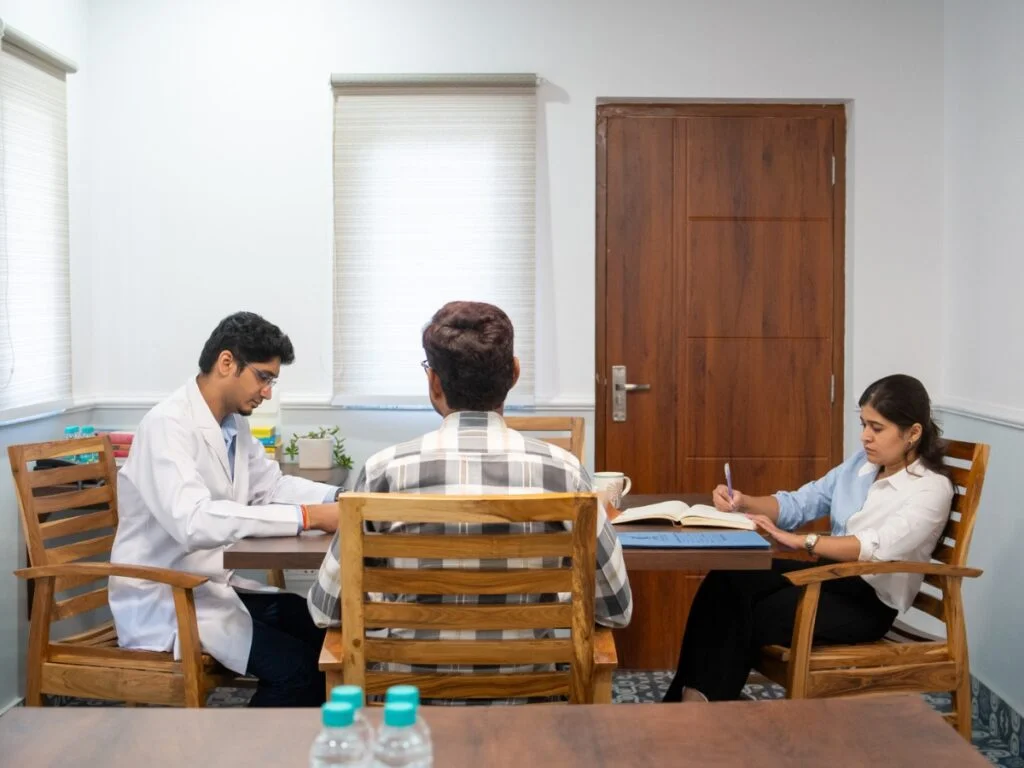
Detox Is the Starting Line, Not the Finish Line. Imagine getting through detox and thinking, “Done. Problem solved. Time for normal life!” It's the beginning of your recovery, not quite While detox can be a crucial first step, recovery generally involves more than eliminating a substance from the body. Recovery is about learning to cope with cravings, triggers, routines, connections, and more in a way that doesn't include substances
That's where structured rehab can play a role:
After detox, recovery generally involves counselling, behavioural health support, building routines, preventing relapse and more. A Nasha Mukti Kendra in Punjab may offer structured rehabilitation after detox that can address various factors that may be related to substance use.
What Comes After Detox?
While detox is often about managing withdrawal and helping the body adjust to being free of a substance, after detox has finished, the real reason you sought help in the first place can begin to be addressed. For someone attending a Nasha Mukti Kendra in Punjab, this usually means entering a structured rehabilitation programme.
Counselling Takes Centre Stage
Counselling at Nasha Mukti Kendra in Punjab can be a great way to understand cravings, emotional pain, thought patterns, connections and situations that may contribute to a person's substance use.
Individual counselling can help a person openly discuss personal issues, while group counselling can allow a person to both receive and give support to others going through a similar experience
The goal isn't just to say
"Let's not do this again," but to understand what contributes to cravings and how to healthily address them.
Learning to Recognise Triggers
A trigger can be defined as something that appears in a person's environment or emotions that can cause them to crave a substance or engage in substance use
Work stress can be a trigger for one person, while social situations may be a trigger for another. One person may find that loneliness fuels their cravings, while another person may find that their cravings come on strongly when they're angry.
A Nasha Mukti Kendra in Punjab may use a combination of counselling and behavioural health to help a person better understand their triggers. Once a person understands their own unique "triggers," an effective plan to address them can be put in place.
The Modern Recovery Trend: Building a Better Routine
Recovery is also increasingly being framed not as avoiding a substance, but building a better overall lifestyle. Substance use often replaces other activities that make a person feel good about themselves. Recovery is about rebuilding these activities - but on a healthier foundation. This can include a better sleeping pattern, eating healthier foods, exercising regularly, engaging in hobbies and more.
You don't need to start posting sunrise yoga videos on social media, but having a generally healthier routine can have a positive impact on your recovery. A Nasha Mukti Kendra in Punjab may be able to help you create a healthier routine that can continue outside the centre.
What About Mental Health?
It's not uncommon for mental health issues to be intertwined with substance use. Anxiety, depression, trauma and more may need to be addressed alongside a person's substance use. This is why recovery isn't just about the substance - it's about the person using the substance. A Nasha Mukti Kendra in Punjab should be assessed based on whether it has the right mental health support, and whether adequate referrals can be made in severe cases. Mental health support isn't just a bonus - it can be an essential part of some people's recovery.
Family Support Still Matters
Family members often play an important role in a person's life - and that doesn't change because a person has substance use issues. After detox, families may be confused about what to do next. Do they trust them again? Do they need to keep an eye on them? What if it happens again? Family therapy can help families learn how to healthily navigate their loved one's recovery.
At a Nasha Mukti Kendra in Punjab, families may be able to receive the support they need in helping their loved ones recover. Family support doesn't mean ignoring unhealthy behaviours, but setting healthy boundaries.
Relapse Prevention: The Real-World Test
Going back home can be very different from being in a centre. Stressful life events, old friends and familiar surroundings can challenge a person's recovery in ways they may not expect. That's why relapse prevention planning is an important consideration for anyone in recovery.
A Nasha Mukti Kendra in Punjab may be able to help a person develop a relapse prevention plan that can help you identify potential pitfalls and how to avoid them. The plan shouldn't read like a self-help book with a cliché title in bold font at the top, but rather something realistic and personal to your own experience.
What Should You Ask Before Choosing a Centre?
If you're looking at a Nasha Mukti Kendra in Punjab, the following questions may be worth asking:
-
What comes after detox?
-
Is counselling personalised or group-based?
-
Is medical support available when necessary?
-
How is mental health assessed?
-
Is family counselling available?
-
What kind of aftercare is available?
-
Is there a relapse prevention plan?
-
How does the rehab support general health and wellbeing.
Once you know the answers to these questions, you'll have a much better idea of whether a rehab facility offers the support you need.
Recovery Continues Beyond the Centre
While finishing a rehab programme can be a huge relief, it's often not the end of the road. Ongoing support - such as aftercare, group support or family support - may be necessary to ensure you're making the healthiest decisions. Recovery is a lifelong process, and building healthier habits is a slow but rewarding endeavour. For most people, it's not about making a shocking change in one day, but gradually building healthier habits over time.
Conclusion
Detox can be a great first step towards stopping substance use, but it is rarely an end in itself; it is a means to an end. A Nasha Mukti Kendra in Punjab may offer structured rehabilitation that can help you learn new habits, utilise healthy connections, and prepare for life after rehab. The question isn't just "Did detox work?" but more importantly, "What comes next?"





Comments (0)