

Game‑Day Gains: acupuncture for sports performance, timed right
For a quick, real‑world starting point, here’s a look at a practical framework for acupuncture for sports performance across training and competition so you can time sessions for recovery, focus, and availability without sabotaging key efforts.

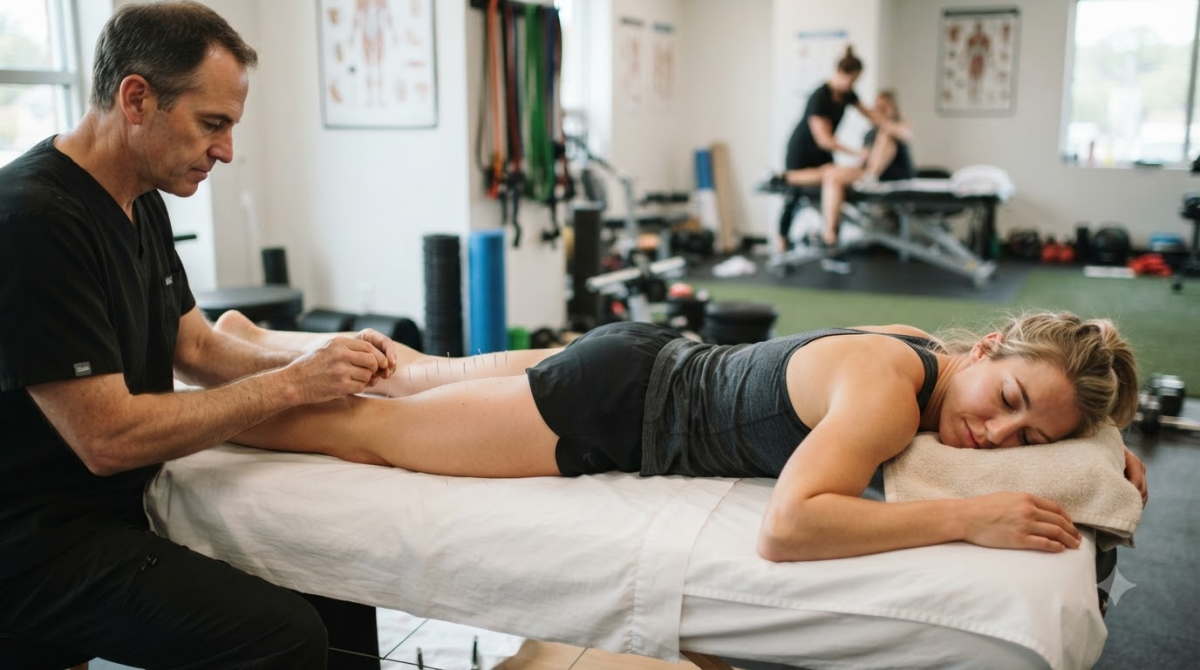
The difference between a personal best and a near‑miss often comes down to execution under fatigue: sleep quality before race day, muscle reactivity after travel, how fast you downshift post‑workout, and whether hotspots stay quiet through a training block. If you’re considering acupuncture for sports performance, you don’t need hype—you need a plan that fits your season, respects your training load, and gives you measurable signals it’s working.
For a quick, real‑world starting point, here’s a look at a practical framework for acupuncture for sports performance across training and competition so you can time sessions for recovery, focus, and availability without sabotaging key efforts.
What Acupuncture Can—and Can’t—Do for Performance
Acupuncture isn’t a substitute for training, fueling, or sleep. Used well, it supports the systems that make high‑quality training repeatable and race execution calmer.
What it can plausibly help with:
-
Nervous system regulation: quicker shift from “fight‑or‑flight” to “rest‑and‑digest,” supporting sleep depth, HRV trends, and pre‑event calm.
-
Pain modulation and muscle tone: less protective spasm, smoother range, fewer tension headaches/jaw clenching in stress weeks.
-
Recovery feel: reduced DOMS‑like soreness and post‑session reactivity so you resume quality work sooner.
-
Focus and arousal: steadier mood in taper, fewer pre‑race jitters, better downshift after late sessions or travel.
What it can’t do:
-
Replace progressive loading for tendons or strength development.
-
Fix structural problems (e.g., full‑thickness tears, instability).
-
Guarantee PRs, VO2max bumps, or faster splits.
-
Offset underfueling, chronic sleep debt, or poor planning.
Use acupuncture for sports performance as a lever: lower noise (pain, anxiety, stiffness), raise signal (sleep, readiness), and protect availability.
Sport‑Specific Plays That Actually Map to Performance
Endurance (running, cycling, triathlon, rowing)
-
Goals: steadier sleep in taper, calmer nerves pre‑event, quick post‑session downshift to preserve quality day‑to‑day.
-
Timing:
-
48–72 hours pre‑race: light, regulation‑focused session for calm and sleep.
-
0–24 hours post‑key workout/race: soreness and spasm relief, nervous system reset.
-
Metrics to watch: sleep efficiency, HRV trend (not single values), RPE drift at target pace, morning stiffness minutes, “time‑to‑ready” after hard days.
Strength/Power (weightlifting, powerlifting, throwing, sprinting)
-
Goals: reduce back/hip/shoulder reactivity, maintain bar path and joint range, manage travel stiffness, and sleep quality pre‑max.
-
Timing:
-
24–48 hours pre‑max: light session—no deep work on prime movers.
-
Post‑heavy pulls/squats/throws: targeted recovery sessions within 24–48 hours.
-
Metrics: bar speed variability, pain at key positions (deep squat, pull start), session completion rate, readiness scores.
Team and Intermittent Sports (soccer, basketball, hockey)
-
Goals: fast recovery between games, manage travel + contact aches without heavy fatigue, keep hotspots quiet through congested fixtures.
-
Timing:
-
12–36 hours post‑match: recovery‑focused.
-
Light pre‑match session only if you know your response (keep minimal).
-
Metrics: minutes played without pain spikes, sprint repeat quality, sleep duration after night games, next‑day RPE.
Precision/Target Sports (golf, archery, shooting)
-
Goals: smooth neck/upper‑back tone, steady hands/jaw, pre‑start calm without grogginess.
-
Timing:
-
24–48 hours pre‑event: regulation‑focused, avoid deep local work in forearm/shoulder prime movers.
-
After long practice rounds: short reset for neck/forearm tension.
-
Metrics: perceived steadiness, headache frequency, grip fatigue, post‑round recovery feel.
How to Periodize acupuncture for sports performance
Map sessions to your mesocycles so they boost—not blunt—training.
-
Build phases
-
Frequency: weekly or every other week.
-
Focus: tame recurring hotspots (hips, back, neck), improve sleep after big volume blocks, and reduce day‑after reactivity to strength or long sessions.
-
Peak/taper phases
-
Frequency: 1–2 targeted sessions in the final 10 days.
-
Focus: down‑regulation and sleep only; avoid aggressive local work. Finish feeling warm, calm, and loose, not “worked.”
-
In‑season maintenance
-
Frequency: every 1–2 weeks or after key fixtures.
-
Focus: quick resets that fit travel and recovery windows.
-
Off‑season
-
Frequency: weekly as needed.
-
Focus: deeper work on long‑standing muscle tone issues, paired with mobility/strength rebuild.
Timing Windows That Move the Needle
-
72–48 hours pre‑event
-
Intention: calm the nervous system, improve sleep, and loosen common travel/stress areas (neck, hip flexors, calves, feet).
-
Avoid: heavy trigger‑point work on prime movers.
-
24–12 hours pre‑event (use sparingly)
-
Intention: very light regulation if you know you respond well and don’t get sleepy.
-
Avoid: any technique that could create next‑morning soreness.
-
0–24 hours post‑event/hard session
-
Intention: reduce soreness and spasm, support parasympathetic rebound; you should walk out more relaxed and ready to fuel/sleep.
-
Travel reset (day of arrival or next morning)
-
Intention: undo neck/hip stiffness, help circadian shift, and settle pre‑event nerves.
A 6‑Week Performance Experiment (So You’re Not Guessing)
Run this time‑bound trial and decide from data.
Week 0 (baseline)
-
Pick 4–6 metrics:
-
Sleep: hours + subjective sleep quality (1–5).
-
Readiness: morning HRV trend or a simple 1–5 readiness check.
-
Training quality: RPE at set paces/loads; bar speed or split stability.
-
Recovery: DOMS rating next morning after hard days; time‑to‑ready hours.
-
Availability: % of planned sessions completed as written.
-
Log a normal week without acupuncture.
Weeks 1–2
-
Sessions: 1–2/week.
-
Targets: calm CNS, reduce recurring muscle tone issues, improve post‑session downshift.
-
Expect: better sleep onset, fewer sharp spikes, and less morning stiffness minutes.
Weeks 3–4
-
Sessions: weekly, booked 48–72 hours pre‑key workout and within 24 hours after.
-
Expect: steadier RPE at target effort, better session completion.
Weeks 5–6 (peak or race window if possible)
-
Sessions: one light pre‑event (48–72 hours) and one post‑event.
-
Expect: easier pre‑night sleep, calmer start, quicker bounce‑back.
Assess
-
Compare metrics to baseline:
-
Sleep + readiness improved?
-
RPE drift down at same paces/loads?
-
DOMS and time‑to‑ready reduced?
-
Higher training availability?
-
Keep what worked, drop what didn’t, and refine timing for the next block.
Travel, Taper, and Big‑Week Protocols
-
Jet lag and time zones
-
Book a short regulation‑focused session the day you arrive or next morning.
-
Pair with morning light exposure, hydration, and a strict caffeine cutoff 8 hours before intended bedtime.
-
Back‑to‑back competitions
-
Skip deep tissue; use 20–30 minute calm‑reset sessions post‑game.
-
Prioritize sleep protection and simple fueling (protein + carbs + fluids).
-
Taper nerves
-
Add 1–2 brief sessions in the final 10 days focusing on calm, warmth, and breath—not chasing sensations.
What a Performance‑Focused Session Feels Like
-
Intake: key dates, last hard session, sleep, travel, and which movements feel “stuck.”
-
Treatment: very fine, sterile needles; you may feel a dull, heavy, or warm sensation as muscles relax. If used, electroacupuncture is gentle and time‑limited.
-
Duration: 30–45 minutes for targeted sessions; 45–60 for initial.
-
Outcome: you leave calmer and looser, not drained. If you feel “worked,” scheduling was too close to big efforts—adjust next time.
Evidence: Proven vs. Plausible—Plain English
-
Pain/function: Many controlled trials support acupuncture for short‑term relief and functional gains in neck/low‑back pain and some shoulder/knee conditions, helping you maintain training quality.
-
Sleep/anxiety: Research suggests improvements in sleep quality and reductions in anxiety—useful in taper and travel.
-
Direct performance metrics: Evidence for VO2max, sprint speed, or max strength gains is limited and mixed. The practical edge often comes indirectly—better sleep, lower pain, steadier arousal—translating to higher training availability and cleaner execution.
-
Safety: With licensed professionals using single‑use sterile needles, adverse effects are uncommon and usually mild.
Frame expectations around recovery quality, readiness, and availability—the foundations of performance.
Safety, Anti‑Doping, and Team Coordination
-
Anti‑doping: acupuncture involves no banned substances and is permitted. If you’re considering herbs or supplements alongside care, clear them with your medical/anti‑doping team.
-
Red flags for medical evaluation: sudden joint swelling/locking, inability to bear weight, progressive numbness/weakness, suspected concussion, deep calf pain/swelling or shortness of breath, fever or infection signs.
-
Team alignment: share your training calendar and roles (coach, PT/ATC, physician). Decide where acupuncture slots in—pre‑PT on high‑pain days or post‑hard sessions for recovery.
Measuring ROI Without Guesswork
Track:
-
Sleep duration and quality (1–5)
-
Morning readiness (HRV trend or 1–5 check)
-
RPE at set paces/loads
-
DOMS score and time‑to‑ready (hours)
-
Session availability (% planned completed)
-
Range markers (e.g., shoulder ER degrees, ankle dorsiflexion)
If 3+ metrics improve over baseline for two consecutive weeks, your dosing and timing likely fit. If nothing moves by week 3, adjust intensity or placement in the week—or reconsider whether acupuncture adds value for your current block.
Costs, Scheduling, and Practical Tips
-
Cadence: front‑load early (1–2/week), then taper to weekly/every other week; use short, targeted sessions during congested fixtures.
-
Session length: 30–45 minutes focused; 45–60 minutes initial.
-
Payment: coverage varies; many athletes use FSA/HSA funds. Ask about competition‑week or travel‑reset options.
-
Logistics: book 48–72 hours pre‑key effort and 0–24 hours post. Avoid heavy work within 24–48 hours of peak efforts.
Frequently Asked Questions
Will this make me faster or stronger on its own?
No single modality does. Acupuncture can improve sleep, lower pain and reactivity, and steady arousal—indirect gains that help you train and execute better. Your program, fueling, and recovery still drive outcomes.
How close to a race or max lift can I schedule a session?
Most athletes do best 48–72 hours before. If you book within 24 hours, keep it very light and regulation‑focused to avoid next‑day soreness or sleepiness.
Can I combine acupuncture with dry needling, massage, or PT?
Yes. Many athletes schedule acupuncture before PT on high‑pain days to reduce guarding, or after hard sessions to jump‑start recovery. Leave a buffer of a few hours when possible.
Is electroacupuncture safe and useful for performance blocks?
When used by a licensed clinician, gentle electroacupuncture can help stubborn spasm or pain. Skip it right before peak efforts; use post‑session or on lighter days.
How many sessions before I decide if it’s helping performance?
Give it 3–6 weeks with clear metrics. You should see trends—better sleep, steadier RPE, faster time‑to‑ready, higher session availability—by weeks 2–3.
Will I feel groggy or too relaxed on race morning?
Well‑timed, light sessions 48–72 hours prior usually improve sleep without day‑of grogginess. Avoid first‑ever sessions the day before a major event.
Does acupuncture help with jet lag for international competitions?
It can support circadian adjustment and calm travel‑related tension when paired with light exposure timing, hydration, and a caffeine cutoff. Schedule a short “arrival reset” session.
Any reasons I shouldn’t use it right now?
If you have red‑flag symptoms (suspected fracture, acute joint locking, worsening neurological signs, signs of clot/infection, or concussion), see your medical professional first. Acupuncture complements care; it doesn’t replace urgent assessment.








Comments (0)