

High Physical Support Homes in Sydney: Ceiling Hoists, Automation and Other Key Features
High Physical Support Homes in Sydney are designed for eligible NDIS participants who require specialist housing features because of very high physical support needs.

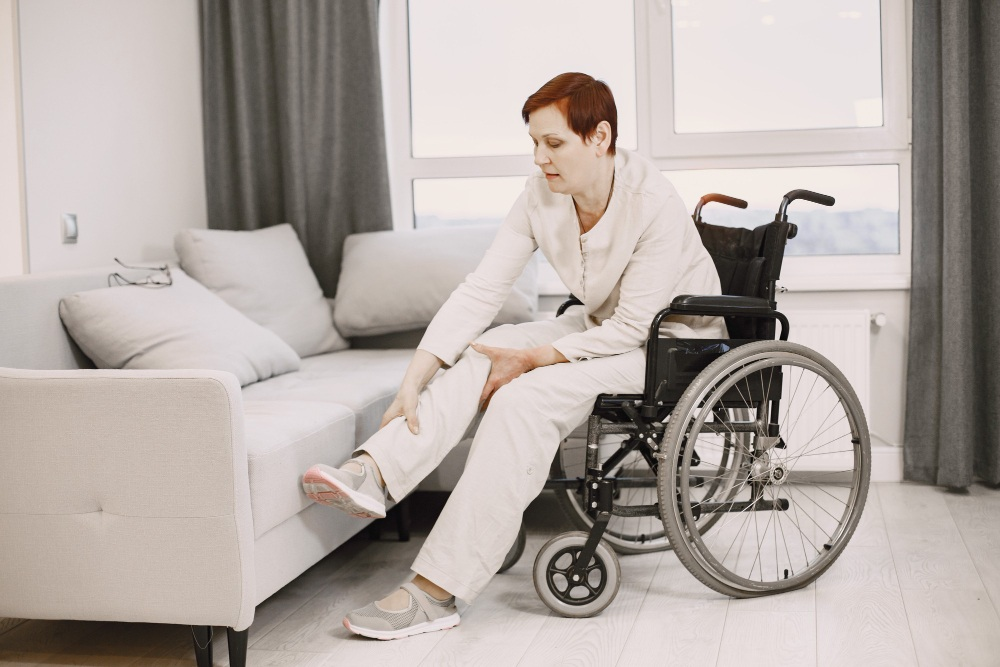
Finding suitable accommodation is important for people with significant physical support needs. A well-designed home can make everyday activities easier while supporting safety, comfort, and greater independence. High Physical Support Homes in Sydney are designed for eligible NDIS participants who require specialist housing features because of very high physical support needs.
These homes can include features such as ceiling hoist provisions, assistive technology, home automation, accessible bathrooms, and other features that reduce physical barriers.
What Are High Physical Support Homes?
High Physical Support Homes in Sydney are a type of Specialist Disability Accommodation (SDA). They are designed for people who have very high support needs or extreme functional impairment and require specialist housing.
The exact features can vary between properties. Therefore, participants should always check whether a particular home meets their personal accessibility and support requirements.
Ceiling Hoists and Hoist Provisions
Ceiling hoists can be an important feature for some people with significant physical support needs. They can assist with transfers between areas such as a bed, wheelchair, bathroom, or other equipment.
A suitable hoist system can help make transfers safer and reduce physical strain for both the participant and support workers.
Some properties may include a ceiling hoist, while others may have suitable provisions for one to be installed. Participants should ask about the specific arrangement before choosing a property.
Home Automation
Technology can make everyday tasks easier. Some High Physical Support Homes in Sydney may include home automation features that allow residents to control parts of their home with less physical effort.
Depending on the property, automation may be available for doors, lights, blinds, temperature controls, or other household systems.
Accessible controls can give residents greater control over their environment and may reduce the need to rely on others for certain simple tasks.
Accessible Bathrooms
Bathrooms are another important feature. People with significant mobility needs may require more space and specialised layouts for safe personal care.
Accessible bathrooms can provide suitable movement areas and may include features such as accessible showers, grab rails, and space for mobility equipment.
The layout should allow the participant and support workers to move safely during personal care routines.
Wider Doorways and Open Spaces
Mobility equipment such as wheelchairs and walkers requires sufficient space. Wider doorways and suitable internal pathways can make it easier to move between rooms.
When looking at High Physical Support Homes in Sydney, participants should consider whether the home provides enough space for their current equipment.
Open and practical layouts can also reduce unnecessary obstacles and make everyday movement more comfortable.
Emergency Power Solutions
Some participants depend on powered wheelchairs, communication equipment, or other assistive technology. A power interruption can therefore create additional challenges.
Certain high physical support properties may include emergency or backup power solutions. These can help maintain important systems during a power outage.
Participants should ask what backup power is available and whether it can support their essential equipment.
Assistive Technology
Assistive technology can help people complete everyday tasks with greater control. The technology provided can vary depending on the property and the participant's requirements.
Some homes may include technology that supports communication, movement, environmental controls, or other daily activities.
The right technology can complement other physical accessibility features within the home.
Space for Equipment and Support
A participant may use wheelchairs, walkers, hoists, shower equipment, or other assistive devices. A suitable home should provide enough space to use and store these items safely.
There should also be practical space for support workers to assist with daily activities while maintaining the participant's privacy.
Choosing the Right Features
Not every participant needs every feature. When comparing High Physical Support Homes in Sydney, families should focus on the features that match the person's individual needs.
Consider mobility, transfers, personal care, equipment, technology, support arrangements, location, and future requirements.
It can also be helpful to visit the property and discuss specific accessibility needs with relevant professionals.
How Christian Care Can Help
Choosing specialist accommodation can be difficult for participants and families. Christian Care supports people with disability and focuses on individual needs, preferences, and goals.
The team can help participants understand their support and accommodation options and consider what features may be important when exploring suitable housing.
Creating a More Accessible Home
High Physical Support Homes in Sydney can provide specialist features that help reduce physical barriers in everyday life. Ceiling hoist provisions, home automation, accessible bathrooms, wider spaces, emergency power solutions, and assistive technology can all contribute to a more practical living environment.
The most suitable home is one that matches the participant's individual needs and supports their safety, comfort, choices, and independence.





Comments (0)