

Choosing a Nasha Mukti Kendra in Haryana: What Families Should Actually Look For
Family members in Haryana (parents, spouses, siblings) researching de-addiction centres for a loved one, likely anxious, possibly having tried informal solutions before.

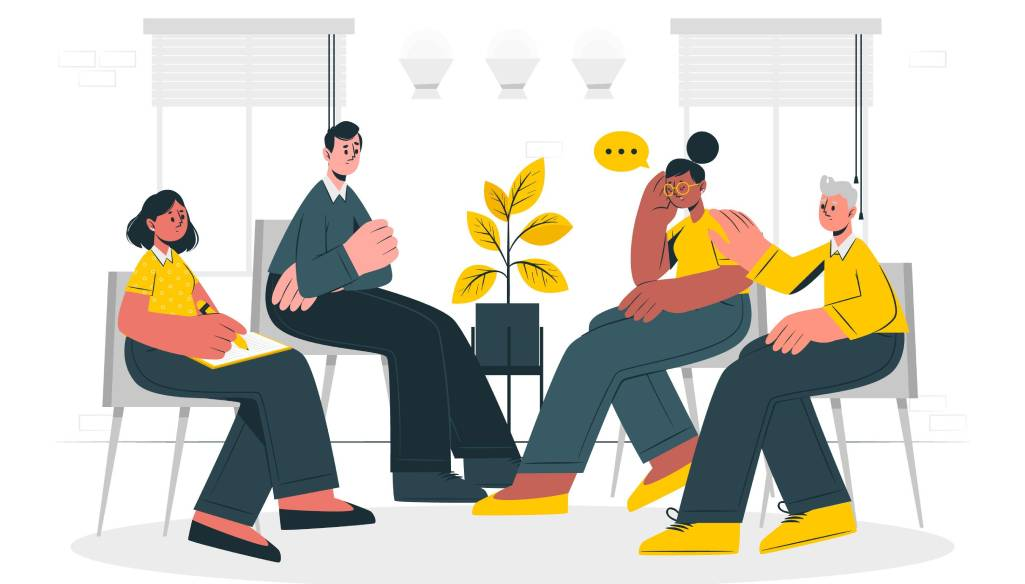
If you've reached the point of searching for a nasha mukti kendra in Haryana, you're probably not doing casual research. Something has likely already happened — a promise broken again, a health scare, a moment where "let's try one more time on our own" stopped feeling realistic. That exhaustion is common, and it's worth naming before getting into logistics.
Here's the part many families skip: choosing a treatment centre isn't just about finding one that's nearby or has a good-looking website. It's about understanding what actually happens inside, because that's what determines whether the next few months help or just delay the same problem.
Start With What "Treatment" Should Actually Include
A center is more than a place to detox. Medical withdrawal management is only the first stage — and on its own, it rarely leads to lasting change. Ask any centre you're considering:
- Is there a qualified medical team overseeing withdrawal, especially for alcohol or opioid dependence, where complications can be serious?
- What does a typical day look like after detox — individual counselling, group therapy, family sessions?
- Is there a plan for after discharge, or does support end the day the person walks out?
If a centre can't answer these clearly, that's useful information on its own.
Common Assumptions Worth Questioning
A lot of families walk in assuming a 15- or 21-day program will "fix" the addiction. In reality, most recognized treatment frameworks — including guidance from bodies like the National Institute of Mental Health and Neurosciences (NIMHANS) — treat addiction as a condition that requires ongoing management, not a one-time cure. Shorter programs can stabilize someone medically, but skipping counselling, relapse-prevention planning, or aftercare often means the same pattern returns within months.
That doesn't mean every case needs a long stay. It means the length and intensity of treatment should match the person's situation, not a fixed package the centre happens to sell.
What Families Often Get Wrong About Their Own Role
There's a tendency to treat treatment as something that happens to the person with the addiction, while the rest of the family waits outside. But recovery — particularly relapse prevention — is heavily influenced by the home environment the person returns to. Centres that involve family counselling, even briefly, tend to be addressing this more seriously than ones that don't.
If a centre discourages family involvement or gives vague answers about it, ask why.
Practical Things to Check Before You Commit
Before selecting a nasha mukti kendra in Haryana, it helps to look past the marketing language and check a few concrete things: whether the facility is registered under the relevant state health authority, whether medical staff are present around the clock (not just on call), what their approach is to co-occurring mental health issues like depression or anxiety, and what aftercare or follow-up support looks like once the initial program ends. Parya Foundation's nasha mukti kendra in Haryana page outlines their treatment structure and facility details if you want a closer look at what one option actually offers.
Red Flags Worth Taking Seriously
Be cautious of centres that:
- Promise guaranteed or permanent cures — no legitimate treatment provider can ethically claim this
- Avoid discussing medical staffing or credentials when asked directly
- Discourage questions or rush you toward a quick decision
- Have no clear plan beyond the initial detox period
None of these automatically mean a centre is unsafe, but they're worth pushing on before you decide.
If Someone Is in Immediate Danger
If your family member is showing signs of severe withdrawal — seizures, extreme confusion, chest pain, or loss of consciousness — this is a medical emergency. Get them to a hospital or call emergency services rather than waiting for a scheduled admission.
Before You Decide
There's no perfect checklist that guarantees the right outcome — addiction treatment involves too many individual factors for that. But asking direct questions about medical oversight, counselling structure, family involvement, and aftercare will tell you more about a centre's actual approach than any brochure will. Take the time to ask, even if it feels uncomfortable. It's a reasonable thing to want clarity on before trusting a centre with someone you care about.





Comments (0)