

How Tajmeels Clinic Assesses Jawline and Cheek Concerns for Thread Lifts
how Tajmeels Clinic assesses jawline definition, cheek laxity, skin quality, and facial proportions to determine whether a thread lift is suitable.

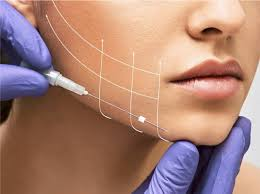
The jawline and cheeks play an important role in overall facial balance. With age, changes in collagen production, skin elasticity, and underlying facial volume can affect these areas. Some people notice mild sagging around the lower cheeks, while others experience reduced jawline definition or the appearance of jowls.
A Thread lift in Dubai is a minimally invasive cosmetic procedure that uses medical-grade threads placed beneath the skin to provide temporary support and lifting. Certain thread materials may also stimulate collagen production as the skin heals. However, results vary depending on the individual's anatomy, skin condition, treatment technique, and the degree of laxity.
Before recommending this procedure, a careful assessment is necessary to understand the cause of each concern and whether a thread lift is an appropriate option.
Why Facial Assessment Matters Before a Thread Lift
Not every concern around the cheeks and jawline is caused by loose skin. Facial fullness, volume loss, natural bone structure, and age-related changes can all influence facial contours.
For example, someone with mild skin laxity may benefit from a lifting procedure, whereas a person with significant volume loss may require a different approach. Similarly, prominent jowls caused by more advanced tissue descent may not respond sufficiently to thread lifting alone.
A professional assessment helps identify these differences before treatment planning begins. It also supports realistic expectations by explaining what a thread lift may improve and which concerns may remain.
How Tajmeels Clinic Evaluates Jawline Concerns
Assessing Jawline Definition
Jawline assessment begins with examining the natural contour between the lower face and neck. The practitioner considers whether the jawline appears less defined because of mild skin laxity, tissue descent, facial fullness, or a combination of factors.
The position and extent of jowls are also considered. Mild tissue sagging may be suitable for discussion about a thread lift, while substantial sagging may require alternative treatment options.
The goal is not to create an identical jawline for every patient. Instead, the assessment focuses on the individual's natural facial structure and the degree of improvement that may be achievable.
Examining Skin Elasticity
Skin elasticity affects how the skin responds to lifting and how well it adapts to changes in tissue position. During the assessment, the practitioner evaluates skin quality, thickness, and visible laxity.
Skin with relatively good elasticity and mild looseness may be more suitable for thread lifting than skin with extensive laxity. Nevertheless, skin quality alone cannot determine suitability. Medical history, facial anatomy, treatment goals, and potential risks must also be considered.
Evaluating Cheek Volume and Sagging
Distinguishing Volume Loss From Skin Laxity
Cheek concerns can involve either reduced facial volume, downward movement of tissue, or both. These conditions can produce different appearances and may require different treatment strategies.
When cheek volume decreases, the midface may look flatter or less supported. In contrast, tissue descent may contribute to lower-cheek fullness or deeper folds around the mouth.
A thread lift may provide temporary repositioning of selected tissues, but it does not replace lost facial volume in the same way as a volumising treatment. Identifying the primary concern helps prevent unrealistic expectations and unnecessary procedures.
Reviewing Facial Proportions
The cheeks, jawline, chin, and lower face work together to create facial balance. An assessment therefore considers the face as a whole rather than treating one area in isolation.
The practitioner may evaluate facial symmetry, cheek position, jawline shape, and the relationship between the midface and lower face. Natural asymmetry is common, and treatment cannot guarantee perfectly symmetrical results.
This broader evaluation helps determine whether addressing the cheeks, jawline, or both would be appropriate.
Medical History and Thread Lift Suitability
Aesthetic assessment must include more than visible facial features. The practitioner should review relevant medical conditions, allergies, medications, previous cosmetic procedures, and any history of complications.
Factors such as active skin infections, certain bleeding-related conditions, healing difficulties, or other medical concerns may affect treatment suitability. The practitioner should also assess whether the patient's expectations are realistic.
Thread lifts can involve risks, including bruising, swelling, tenderness, infection, thread visibility, dimpling, asymmetry, and dissatisfaction with results. These possibilities should be discussed before informed consent is obtained.
Patients should provide accurate medical information and disclose previous fillers, threads, or facial surgery. Any medication changes should be made only under appropriate medical guidance.
Personalized Thread Lift Planning at Tajmeels Clinic
At tajmeels clinic dubai, the assessment process should focus on understanding each patient's facial concerns, treatment goals, and suitability before a procedure is considered. Jawline definition, cheek laxity, skin quality, and facial proportions are important factors in developing an individualized treatment discussion.
The consultation provides an opportunity to review potential benefits, limitations, recovery expectations, and available alternatives. Depending on the findings, a thread lift may be considered, another treatment may be more appropriate, or no procedure may be recommended.
A responsible treatment plan prioritizes patient safety and natural-looking outcomes rather than promising dramatic lifting or identical results for everyone. Patients should also receive clear information about aftercare, follow-up, and when to seek medical advice if unexpected symptoms occur.
What Results Can Patients Realistically Expect?
Thread lifts generally offer temporary improvement rather than the degree of correction possible with surgical lifting. The visible effect depends on the thread type, placement technique, tissue characteristics, and individual healing response.
Some patients may notice an immediate lifting effect, while swelling and bruising can temporarily affect the appearance of the face. Final settling and the duration of results vary, so a specific outcome or timeline cannot be guaranteed.
People with substantial loose skin or advanced tissue descent may need to discuss other options with a qualified practitioner. Understanding these limitations before treatment helps patients make informed decisions.
Conclusion
Assessing jawline and cheek concerns is an essential step in determining whether a thread lift is suitable. Evaluating skin laxity, facial volume, symmetry, medical history, and personal goals helps distinguish concerns that may respond to lifting from those requiring another approach.
Through an individualized consultation, Tajmeels Clinic can discuss the factors involved in thread lift suitability and help patients understand potential outcomes, risks, and alternatives before making a treatment decision.
More Information
Tajmeels Clinic Dubai
WhatsApp: +971 56 203 8751
Phone: tel:+971 43739000
Social Media:
Tajmeels clinic is different from other cosmetic resorts because our doctors are specialized in their fields from the best organizations in the world












Comments (0)