

How Tajmeels Clinic Approaches Glutathione Treatment Safety
how Tajmeels Clinic approaches glutathione treatment safety through medical assessment, risk awareness, realistic expectations, and individualized patient care in Dubai.

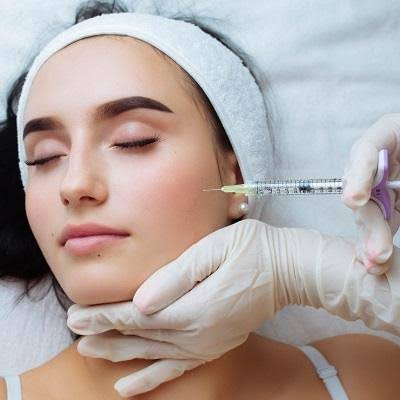
Glutathione injection in Dubai are increasingly discussed in aesthetic medicine, particularly by people interested in skin appearance and antioxidant support. However, understanding the safety of this treatment is essential before considering an injection. Glutathione is an antioxidant naturally produced by the body, but administering it through an injection introduces medical considerations that differ from those associated with normal dietary intake.
In Dubai, anyone considering glutathione injections should understand the potential risks, the limitations of available evidence, and the importance of professional medical assessment. A responsible treatment approach focuses on patient suitability, product quality, appropriate administration, and informed decision-making rather than promising specific cosmetic results.
Understanding Glutathione Injections and Their Safety
Glutathione is a compound made from three amino acids: glutamate, cysteine, and glycine. It plays a role in protecting cells against oxidative stress and supporting normal cellular functions.
Injectable glutathione is sometimes marketed for skin brightening, pigmentation concerns, and general wellness. However, scientific evidence supporting its effectiveness for cosmetic skin lightening remains limited, and the long-term safety of repeated cosmetic injections has not been adequately established.
Safety depends on several factors, including a person's medical history, the formulation being administered, product quality, and the circumstances in which the injection is given. An injection should not be considered risk-free simply because glutathione occurs naturally in the body.
Why Medical Assessment Matters Before Treatment
A medical assessment is an important starting point when considering glutathione injections. It allows a qualified healthcare professional to review the patient's health, understand their concerns, and identify factors that could affect treatment suitability.
The assessment may include:
-
Reviewing existing medical conditions and previous treatments.
-
Discussing prescription medicines, over-the-counter medicines, and supplements.
-
Identifying previous allergic reactions or sensitivities.
-
Evaluating the patient's expectations and reasons for seeking treatment.
-
Explaining potential risks, uncertainties, and alternative options.
Patients should disclose relevant medical information honestly, even if they believe it is unrelated to an aesthetic procedure. Certain health conditions, medication interactions, or previous reactions may influence whether injectable treatment is appropriate.
A responsible assessment may also conclude that treatment should be postponed or avoided. Patient safety should take priority over proceeding with a requested cosmetic service.
Evaluating Product Quality and Injection Administration
Product quality is another essential consideration in glutathione treatment safety. Injectable products must meet appropriate quality standards because contamination, incorrect storage, unsuitable formulations, or improper preparation can create serious health risks.
Before treatment, patients should be able to discuss the product being considered, its source, its intended use, and the qualifications of the professional administering it. Products intended for oral use should never be assumed suitable for injection.
Safe administration also requires appropriate clinical procedures, including hygienic preparation, sterile equipment, and correct handling of injectable products. These measures help reduce the risk of infection and other preventable complications.
Patients should be cautious about treatments offered without a proper consultation, clear product information, or appropriate medical oversight.
Recognizing Possible Side Effects and Complications
Glutathione injections may cause adverse reactions, and the full range of risks associated with cosmetic use is not yet well established. Potential concerns include injection-site discomfort, redness, swelling, allergic reactions, and complications associated with contaminated or improperly administered products.
More serious reactions are possible. The uncertainty surrounding repeated cosmetic use makes it particularly important to avoid assuming that frequent injections are harmless.
Patients should seek prompt medical attention if they experience unusual or persistent symptoms after treatment. Difficulty breathing, swelling of the tongue or throat, fainting, or signs of a severe allergic reaction require emergency medical care.
A healthcare professional should explain the relevant warning signs before treatment and provide clear guidance on what to do if a reaction occurs.
Setting Realistic Expectations for Skin Brightening
One of the most important aspects of glutathione treatment safety is understanding what the procedure can and cannot achieve.
Some people seek glutathione injections to address uneven skin tone, dark spots, or a dull appearance. However, results can vary, and strong evidence does not currently establish injectable glutathione as a reliable or well-validated treatment for skin lightening.
There is also no guarantee that treatment will produce a particular shade, improve every pigmentation concern, or provide lasting results.
Patients with pigmentation concerns may benefit from an assessment to identify the underlying cause. Depending on the diagnosis, evidence-based options may include sun protection, topical treatments, or other professionally recommended dermatological procedures.
Avoiding exaggerated claims helps patients make informed decisions and reduces the risk of undergoing unnecessary treatment.
How Tajmeels Clinic Approaches Glutathione Treatment Safety
At tajmeels clinic dubai, discussions about glutathione treatment should center on individual patient needs, medical suitability, and an informed understanding of potential risks. A consultation provides an opportunity to explain the patient's concerns, review relevant medical history, and discuss realistic expectations before any treatment decision is made.
A safety-focused approach includes discussing the limitations of scientific evidence, reviewing possible adverse reactions, and considering whether alternative options may be more appropriate. Patients should also have the opportunity to ask questions about the proposed product, administration procedures, and follow-up arrangements.
Treatment should only proceed when a qualified healthcare professional determines that it is appropriate and applicable safety requirements are met. If the potential risks outweigh the expected benefits, avoiding the procedure may be the most responsible decision.
Choosing a clinic should involve more than comparing advertised cosmetic results. Patients should consider professional qualifications, transparent communication, appropriate clinical standards, and a willingness to discuss uncertainty.
Aftercare and Monitoring Following Glutathione Injections
Safety considerations continue after an injection has been administered. Patients should follow the individualized instructions provided by their healthcare professional and report unexpected symptoms rather than attempting to manage concerning reactions without advice.
Follow-up may be appropriate when there are ongoing concerns, unexpected effects, or a need to reassess whether further treatment is justified. Repeated injections should not be scheduled automatically without reviewing their necessity and potential risks.
Patients should also inform healthcare professionals about any new medicines, supplements, or health changes that could influence their care.
Maintaining realistic expectations and seeking timely medical advice are important parts of responsible aesthetic treatment.
Frequently Asked Questions
Are glutathione injections safe for everyone?
No. Safety depends on individual health factors, product quality, and the circumstances of administration. A medical assessment is necessary, and some people may not be suitable candidates.
Can glutathione injections permanently lighten skin?
Permanent skin lightening is not an established outcome of injectable glutathione. Evidence supporting cosmetic skin-lightening benefits remains limited, and results cannot be guaranteed.
What should I discuss before getting glutathione injections in Dubai?
Discuss your medical history, medications, possible allergic reactions, product quality, potential side effects, available alternatives, and the limits of expected results with a qualified healthcare professional.
Conclusion
Glutathione injection safety requires careful consideration of medical suitability, product quality, administration standards, possible adverse reactions, and the limitations of current scientific evidence. Patients should avoid unsupported claims and seek professional guidance before making treatment decisions.
A responsible consultation at Tajmeels Clinic can help patients understand the considerations involved, explore appropriate alternatives, and make informed decisions based on their individual circumstances. Prioritizing health and realistic expectations is essential when considering any injectable aesthetic treatment.
More Information
Tajmeels Clinic Dubai
WhatsApp: +971 56 203 8751
Phone: tel:+971 43739000
Social Media:

Tajmeels clinic is different from other cosmetic resorts because our doctors are specialized in their fields from the best organizations in the world












Comments (0)