

How Can Outdoor Rat Repellents Help Prevent Rat Infestations in the UK?
Looking for the best outdoor rat repellent UK gardeners can actually rely on? Here’s the real deal on what keeps rats out, what’s a waste of money, and how to stop an infestation before it even starts.

Looking for the best outdoor rat repellent UK gardeners can actually rely on? Here’s the real deal on what keeps rats out, what’s a waste of money, and how to stop an infestation before it even starts.
Why Rats Are Such a Big Problem in UK Gardens
Look, rats don’t care about your fence. They don’t care how nice your garden looks either. Our weather doesn’t help, all that damp, plus hedges and sheds and compost bins everywhere, it’s basically an open invite. Most people have no clue there’s a problem until it’s already a proper one, because rats move at night and they’re good at staying hidden. By the time you notice droppings by the bins, or you’re hearing scratching under the decking at 2am, chances are there’s more than just the one rat.
What Actually Attracts Rats to Your Outdoor Space
Food. Water. Somewhere dry to hide. That’s it really, that’s the whole list rats care about. Bird feeders dripping seed onto the grass, compost heaps left open, pet bowls sat outside overnight, even a dripping outdoor tap, it all counts. Rats aren’t picky eaters at all, they’ll take whatever’s going, which is honestly the problem. Got an overgrown shrub or a messy shed full of junk? Congrats, you’ve basically built them a hotel.

How Outdoor Rat Repellents Work
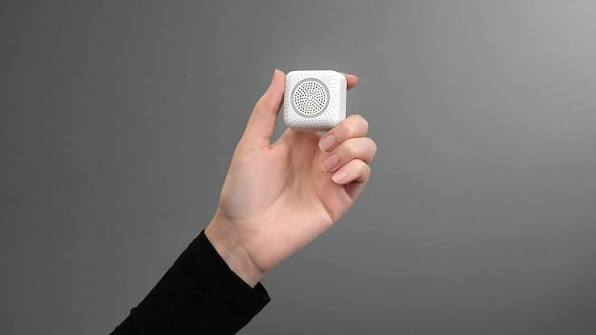
Most repellents go after a rat’s senses, mainly smell, sometimes sound. Ultrasonic repellers kick out a high frequency noise, can’t hear it ourselves but rats apparently find it awful. Scent repellents lean on strong smells, think peppermint, ammonia, even predator urine, to make a rat think twice before settling in. None of this kills anything by the way. It’s just meant to make your garden an annoying place to be if you’re a rat.
Ultrasonic Repellers and Whether They Really Work
Honestly? Mixed bag. Some people rave about them. Others tell me the rats just got used to the noise after a couple weeks and carried on like nothing happened. From what I’ve read, these work better in small, boxed-in spaces rather than a big open garden where the sound just fades out. If you’re buying one, don’t rely on it by itself, pair it with something else. On its own it rarely finishes the job.
Natural and Scent-Based Repellent Options
Peppermint oil gets talked about more than anything else, and fair enough, rats genuinely seem to hate it. Soak some cotton balls in the stuff, pop them near sheds, fences, wherever rats might be getting in. There’s also predator scent granules, basically fake fox or cat smell, which spooks rats because their instincts tell them a predator’s nearby. The problem is none of this lasts. Rain washes it out fast, so you’re topping it up more than you’d think.
Physical Barriers and Garden Proofing
Sometimes the best repellent isn’t a repellent at all, it’s just making the garden a pain to get into. A rat can squeeze through a gap barely 20mm wide, which is mental when you think about it, so sealing cracks in fences and sheds actually matters more than most people assume. Wire mesh round the bottom of decking stops them burrowing under, which they love doing. Cut back the overgrown bits of your garden too, less cover means they feel less safe moving about.
Why Bait Stations Still Have a Place Outdoors
Bait stations are a bit more hands-on, less “repel” and more “deal with it directly” if I’m honest. Tamper proof ones keep pets and other wildlife out while still letting rats get to the bait. They work well along property boundaries, basically anywhere rats are likely passing through. Stick them alongside scent repellents and you’re hitting the problem from two angles, breaking up an existing infestation while also stopping new ones moving in.
Seasonal Timing and Why It Matters
Autumn and winter, that’s when things ramp up. The weather turns cold, rats start hunting for somewhere warm, and your shed or garage starts looking pretty good to them. Get your repellents sorted before it gets cold rather than scrambling once they’ve already moved in somewhere. Don’t ignore spring and summer either though, that’s breeding season, and a couple of rats in April can turn into way more by August if you’ve done nothing about it.
Combining Methods for Long-Term Prevention
There’s no single thing that does it all, I’ll say that straight up. Gardens that stay rat-free tend to be using a bit of everything, scent near entry points, ultrasonic in tighter spots, mesh and proofing round structures, and just general tidiness. Rats are smarter than people give them credit for, and they adapt fast if you’re only using one method. Mix it up and your garden stops being predictable, which is exactly what you want.
Common Mistakes People Make With Outdoor Repellents
Biggest one I see? People buy a repellent, use it twice, nothing seems to happen, so they forget about it completely. These things need consistency, especially scent based ones, they lose their punch within days not weeks. Another mistake, just dumping repellents anywhere instead of near actual entry points or the paths rats use. And if you’re not sorting out the food and shelter issue underneath it all, even a really good repellent isn’t going to fix things long term.
When It’s Time to Call in Professional Help
Tried the repellents, still seeing droppings or gnaw marks or actual rats scurrying about? Might be time to get someone in who does this properly. DIY stuff is great for stopping things before they start, but once there’s already an infestation, peppermint oil alone just isn’t going to cut it most of the time. Pros can spot entry points you’d never notice and use treatments that aren’t sold to the public. Nothing to be embarrassed about either, rats are stubborn little things, sometimes you just need backup.

Conclusion
There’s no one magic fix here, it’s really about stacking a few methods together and actually sticking with them. Ultrasonic, natural scents, physical barriers, whatever combo works for your garden, the best outdoor rat repellent UK households end up using is usually whatever mix fits their specific setup, not some single product off a shelf. And if things have gotten properly out of hand, it’s worth reaching out to reliable pest control Suppliers, they’ll have access to stuff you can’t just pick up yourself and they know how to use it right. Keep checking your garden regularly, stay on it, and rats won’t get the chance to settle in in the first place.
FAQs
What’s the best outdoor rat repellent UK gardeners actually trust?
Honestly there isn’t one single winner, most people find a mix of peppermint oil, ultrasonic devices, and solid garden proofing works best overall.
Do ultrasonic rat repellers actually do anything outdoors?
They can help a bit, especially in smaller enclosed spots, but don’t expect miracles if you’re only using one on its own in a big garden.
How often do I need to top up natural repellents?
More often than you’d like, especially peppermint oil, every few days usually, sooner if it’s been raining a lot.
Will rats come back even after I’ve used repellents?
Yeah, they can, if you haven’t sorted out whatever’s attracting them in the first place, food, mess, shelter, they’ll find their way back eventually.
When should I just call a pest control company instead of messing about with repellents?
If it’s been a few weeks and you’re still seeing droppings or actual rats, stop wasting time and just get someone professional involved.












Comments (0)