

How Does PULS UPS Uninterruptible Power Supply Work?
Discover how PULS UPS Uninterruptible Power Supply ensures reliable backup power for industrial automation and critical DC equipment. Explore its key features, working principles, applications, and maintenance requirements to improve power continuity, minimise downtime, and protect essential industrial systems.

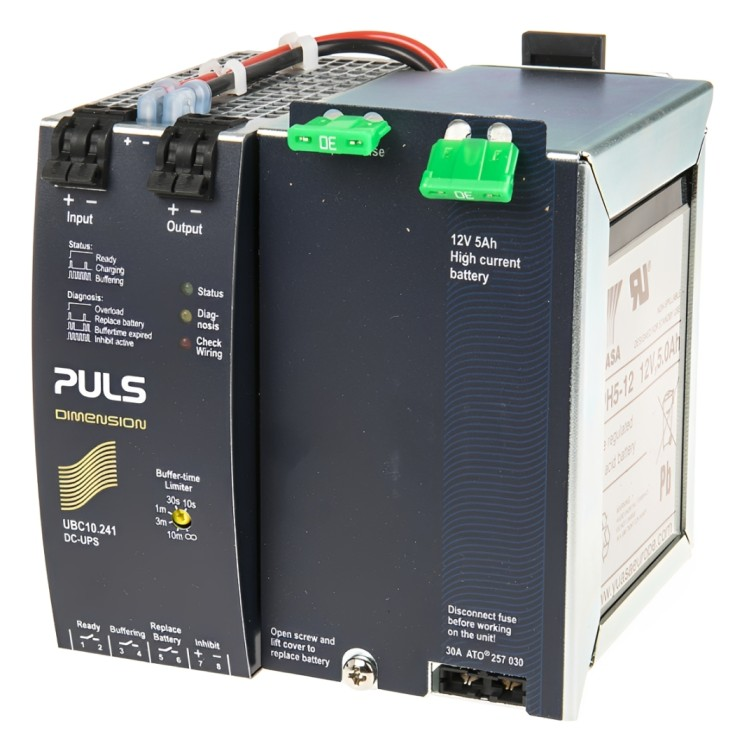
Industrial operations depend on continuous electricity to maintain productivity, protect equipment, and prevent unexpected shutdowns. A PULS UPS Uninterruptible Power Supply provides dependable backup power for critical DC applications, helping industrial systems remain operational during voltage fluctuations or temporary power failures.
From automated manufacturing lines to sophisticated control panels, these devices support equipment reliability and operational continuity. Their compact construction, intelligent energy management, and industrial compatibility make them valuable components of modern electrical infrastructure.
What Is a PULS UPS Uninterruptible Power Supply?
A PULS UPS is an industrial uninterruptible power solution designed to maintain DC electricity when the primary supply becomes unstable or unavailable. Unlike conventional office UPS systems, industrial DC-UPS modules support control equipment that operates directly from regulated DC voltage.
These solutions typically combine a DC-UPS controller with suitable energy storage. Depending on the model, the storage may consist of external batteries, integrated batteries, or capacitors.
Consequently, connected equipment can continue functioning temporarily, allowing operators to restore electricity or complete essential shutdown procedures safely.
How Does a PULS Industrial UPS Maintain Continuous Power?
A PULS industrial UPS supervises its incoming DC supply and responds when the available voltage falls below the required operating level.
During normal operation, the primary power source supplies electricity to connected equipment while the UPS manages its energy storage. When input power fails, the system draws energy from the storage element to maintain the supported output.
Intelligent Backup Power Management
PULS DC-UPS systems can incorporate battery supervision, charging control, and protective functions to improve operational dependability.
Important functions may include:
-
Monitoring incoming voltage to detect interruptions.
-
Maintaining power to supported DC equipment.
-
Managing battery charging and discharge conditions.
-
Providing status signals for maintenance and monitoring.
-
Preventing damaging deep discharge in compatible battery systems.
Furthermore, these functions help operators identify potential power problems before they cause extended production interruptions.
Key Features of PULS DC-UPS Systems
Industrial backup equipment must operate reliably inside demanding electrical installations. PULS develops DC-UPS solutions with features intended for automation environments and control cabinets.
Compact Industrial Construction
Many PULS UPS controllers support DIN rail installation, enabling efficient placement inside electrical panels. Their compact dimensions help designers use limited enclosure space effectively.
Additionally, compatibility with industrial Power Supplies enables straightforward integration into existing DC distribution architectures.
Flexible Energy Storage Options
PULS offers battery-backed and capacitor-based backup solutions for different operational requirements.
Battery-supported systems can provide extended backup periods, depending on load consumption and battery capacity. Meanwhile, capacitor-based systems suit applications requiring shorter backup intervals without conventional battery storage.
Electrical Protection and Monitoring
Selected PULS controllers provide battery management, diagnostic contacts, and protection against incorrect electrical conditions.
These capabilities support preventive maintenance and help reduce the risk of unexpected equipment interruptions. However, available functions vary between models.
Where Are PULS UPS Systems Commonly Used?
PULS industrial UPS equipment supports applications where even brief electrical interruptions can disrupt operations or compromise valuable information.
Manufacturing and Industrial Automation
Automated production facilities rely on controllers, communication networks, and monitoring equipment to coordinate machinery.
A suitable DC-UPS installation helps maintain essential control functions during temporary supply interruptions, reducing the likelihood of uncontrolled stoppages.
Process Control and Monitoring
In industrial Process Control applications, continuous electricity supports instrumentation, monitoring, and coordinated equipment operation.
For example, a UPS can maintain power to selected Sensors that measure pressure, temperature, or operational conditions, provided the backup system supports their electrical requirements.
Industrial Communication Networks
Industrial communication systems require stable electricity to exchange operational information between controllers and connected devices.
Consequently, reliable backup power can help preserve communication during short electrical disturbances and provide additional time for controlled recovery.
How Do Supporting Electrical Components Improve UPS Performance?
An industrial UPS operates as part of a broader electrical installation. Selecting compatible components is therefore essential for dependable power distribution and long-term operation.
Reliable Electrical Connections
Appropriately rated Cables & Wires carry electricity between power sources, UPS controllers, storage modules, and connected equipment.
Similarly, properly selected Terminal Blocks simplify organised electrical distribution and maintenance access inside industrial control panels.
Switching and Circuit Protection
Industrial systems may incorporate Power Relays to control designated electrical loads or respond to operating conditions.
Meanwhile, suitably rated Circuit Breakers provide circuit protection against specified overcurrent conditions. Their selection must account for the characteristics of the DC installation.
Together, these supporting categories contribute to a safer and more maintainable electrical arrangement.
How to Choose the Right PULS UPS for Industrial Equipment
Selecting an appropriate UPS requires more than comparing physical dimensions or nominal output ratings. Engineers must evaluate the complete electrical system and its operational requirements.
Determine Voltage and Current Requirements
Begin by identifying the nominal voltage and total current consumption of all essential loads.
For example, many industrial automation systems operate with 24 V DC equipment. However, the selected UPS must support the actual connected load and operating conditions.
Calculate the Required Backup Duration
Backup duration determines how long critical devices must remain powered after an interruption.
Consider whether the installation requires:
-
Short-term support during momentary voltage disturbances.
-
Sufficient energy for orderly equipment shutdown.
-
Extended operation until another supply becomes available.
-
Continued monitoring while maintenance personnel respond.
Battery capacity, storage technology, load current, temperature, and equipment characteristics influence achievable backup duration.
Evaluate Installation Conditions
Review operating temperature, available cabinet space, mounting requirements, and manufacturer compatibility information.
Additionally, confirm that the selected storage module and UPS controller work together within their specified limits.
Maintenance Practices for Reliable UPS Operation
Routine inspection helps industrial UPS systems remain prepared for unexpected electrical interruptions.
Maintenance personnel should regularly examine connections, monitor diagnostic indicators, and check energy storage condition.
For battery-backed installations, follow manufacturer recommendations concerning battery testing, replacement intervals, and operating temperature.
Furthermore, periodic functional testing can reveal weaknesses that remain unnoticed during normal electricity supply.
Why Is a PULS UPS Important for Industrial Reliability?
Reliable backup power supports consistent production, equipment protection, and operational confidence. A properly designed PULS UPS system helps critical DC equipment withstand temporary electricity interruptions without immediately losing functionality.
By combining suitable energy storage, intelligent monitoring, and compatible electrical components, industrial facilities can improve power continuity and support controlled recovery.
Ultimately, choosing the correct UPS configuration and maintaining it appropriately helps businesses minimise preventable interruptions and protect essential industrial processes.
















Comments (0)