

Gynaecomastia Surgery in Dubai: Recovery Guide
Understand the recovery process after gynaecomastia surgery in Dubai, including swelling, activity, compression, healing stages, and tips for supporting chest contour results.
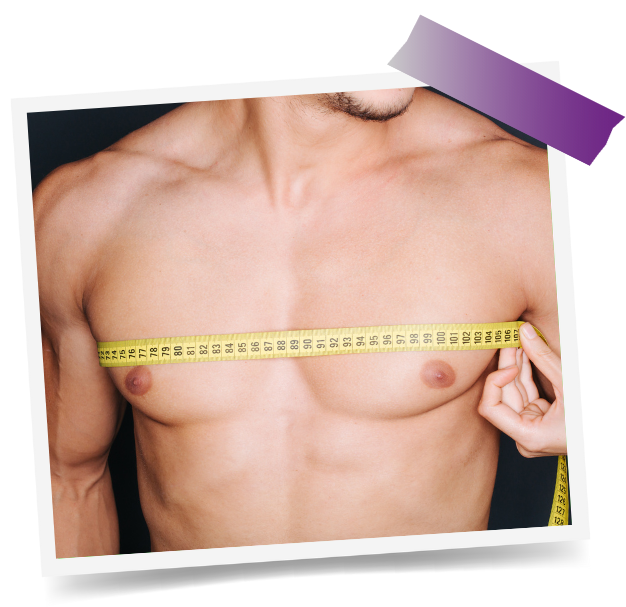
Gynaecomastia surgery in Dubai involves more than the treatment itself. The recovery period plays an important role in allowing the chest tissues to heal and the new contour to develop. Understanding the different stages of recovery can help men prepare for temporary changes and follow appropriate aftercare throughout the healing process.
Why Recovery Matters After Gynaecomastia Surgery
Male chest reduction involves changes to the tissues beneath the skin. After treatment, the body needs time to respond to these changes and begin the natural healing process.
Swelling, bruising, tightness, and temporary sensitivity can occur during the early stages. These effects generally change gradually as the tissues recover.
The recovery experience is different for every individual. The extent of treatment, tissue characteristics, overall health, and natural healing response can all influence how quickly the chest settles.
The Early Recovery Stage
The first part of recovery usually focuses on rest, protection of the treated area, and following the provided aftercare instructions. Some temporary discomfort or tightness may be experienced during this period.
Keeping physical activity limited can help avoid unnecessary strain on the healing chest. Normal daily movement may be introduced according to individual recovery guidance.
Managing Temporary Swelling
Swelling is a common part of the body's healing response. It can make the chest appear fuller or less defined than expected immediately after treatment.
As the swelling gradually decreases, the underlying contour becomes easier to see. This is one reason why early appearance should not be considered the final result.
The Role of Compression Garments
Compression garments may be recommended during recovery to provide support to the treated area. They can help maintain consistent pressure over the chest while the tissues heal.
The recommended duration of compression varies depending on the treatment and individual circumstances. Following the specific instructions provided after treatment is important.
Returning to Normal Activities
Daily activities can usually be resumed gradually, but the timing depends on individual recovery. Activities involving significant chest movement or physical strain may need to be postponed during the early healing period.
Exercise and Physical Activity
Returning to exercise too quickly can place additional stress on healing tissues. Light movement may be introduced as appropriate, while strenuous workouts and heavy lifting should generally wait until the recovery process has progressed sufficiently.
When physical activity is resumed, increasing intensity gradually can help the body adapt without unnecessary strain.
How the Chest Changes During Healing
The appearance of the chest can change considerably during recovery. Early swelling may make the contour look uneven or less defined. Temporary firmness can also occur as the tissues heal.
Over time, these changes can become less noticeable. The chest gradually settles, allowing the final contour to become clearer.
Changes in Sensation
Temporary changes in sensation around the treated area can occur. Some individuals may experience increased sensitivity, while others may notice temporary numbness.
These sensations can change as healing progresses. Any unusual or concerning symptoms should be discussed promptly with the appropriate healthcare professional.
When Do Results Become More Visible?
The initial improvement may be noticeable relatively early, but the final appearance develops gradually. Swelling and tissue healing can temporarily hide the full effect of chest contouring.
Patience is therefore an important part of recovery. The chest may continue changing as the tissues settle and the healing process progresses.
Supporting Long-Term Results
Once recovery is complete, maintaining a stable body weight can help preserve the improved chest contour. Significant weight gain may increase fat accumulation around the chest and alter the overall appearance.
Regular physical activity and balanced nutrition can support healthy body composition and complement the results of male chest contouring.
What Should You Avoid During Recovery?
Activities that place excessive pressure or strain on the chest may need to be avoided during the initial healing period. This can include heavy lifting, intense upper-body workouts, and other strenuous activities.
It is also important to follow wound-care and garment instructions carefully rather than introducing unapproved products or activities during recovery.
When to Seek Professional Guidance
Recovery should generally be monitored according to the aftercare plan provided for the individual. Increasing pain, significant changes in swelling, unusual discharge, fever, or other unexpected symptoms should not be ignored.
Prompt communication with the appropriate medical professional can help address concerns and determine whether further evaluation is needed.
Final Thoughts
A well-managed recovery is an important part of gynaecomastia surgery in Dubai because the chest needs time to heal and settle into its developing contour. Understanding swelling, compression, activity restrictions, and gradual return to normal routines can make the recovery journey more manageable. TAJMEELS CLINIC can be considered by men exploring male chest reduction and seeking guidance about the treatment and recovery process.
For More Details, Contact Us Through:
WhatsApp: +971 56 203 8751
Phone: +971 4 373 9000
Social Media:

Provide health services









Comments (0)