

Guitar Replacement Parts for Players Balancing Functional Repairs With Cosmetic Restoration Goals
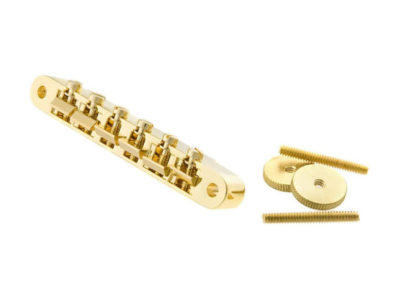
Restoring a guitar is not only about making it work again. Players often want the instrument to look right too, especially when the hardware has become worn, rusty, or mismatched over time. That creates a simple question: should you keep the original look, or choose newer hardware that works more reliably? The answer depends on the guitar, how often it is played, and whether appearance or everyday use matters more. A good restoration usually needs a balance between both. In this article, we will discuss how to balance function, appearance, hardware fit, and long-term care during a restoration.
Fix the Functional Problems Before Focusing on Appearance
Choosing guitar replacement parts should start with the problems that actually affect how the instrument works. A scratched knob may look old but still work perfectly, while a clean-looking tuner may slip under tension. Those two issues do not need the same level of attention. For example, an older guitar might have one damaged bridge saddle and several faded control knobs. Replacing everything would make the instrument look newer, but the saddle is the part affecting setup and intonation. In practice, I prefer fixing the mechanical issue first. Cosmetic changes can come later if they are still needed. This keeps the project focused and helps avoid replacing parts that are still doing their job.
Matching Hardware Helps Keep the Guitar Looking Consistent
When Schaller parts are being considered for a repair or upgrade, both size and finish should be checked. Chrome, nickel, black, and gold hardware can age differently, so one new part may stand out next to older pieces. That does not mean every replacement needs to look artificially aged. The main point is to decide how much visual matching matters. A guitar used regularly on stage may benefit more from reliable hardware than from a perfect colour match. A sentimental or collectible instrument may need a more careful approach. The tradeoff is simple: closer-looking hardware can protect the original character, while newer parts may be easier to find and more dependable.
Compare Fit, Condition, and Finish Before Ordering
The best guitar replacement parts usually solve the problem without creating a new one. Before buying anything, check several details rather than judging a component only by its appearance.
- Measure screw spacing and mounting holes
- Check post, shaft, or tuner-hole diameter
- Compare the finish with nearby hardware
- Inspect whether old screws or washers can be reused
- Confirm electrical values when controls are involved
For instance, a replacement bridge may look almost identical but require two new mounting holes. That may be acceptable on a working instrument, but it is a bigger decision on a guitar being restored for sentimental or collector value. A few measurements can prevent unnecessary changes.
Upgrades Should Match the Purpose of the Restoration
Installing locking guitar tuners for stability may be useful when the original tuners are worn or no longer hold tuning properly. Still, the upgrade should fit the overall goal of the restoration. If the new tuners require larger holes or leave visible marks on the headstock, the improvement comes with a visual cost.
There is no single right answer. A musician rehearsing several times each week may accept small cosmetic changes in return for more reliable hardware. Someone restoring a family-owned guitar may prefer a closer match, even if it takes longer to find. I think this is where restoration becomes personal. The best choice depends on how the instrument will actually be used.
Conclusion
Balancing function and appearance means deciding which problems affect playability and which are mostly cosmetic. Careful measurements, clear restoration goals, and selective replacement can keep an older guitar reliable while still preserving the details that give it character.
SOLO Music Gear supports musicians, builders, hobbyists, and repair shops with hardware, tools, kits, accessories, and technical resources. Its online range serves customers across Canada and the USA who need practical options for restoration, maintenance, repairs, upgrades, and custom projects.
Frequently Asked Questions
Question: Should cosmetic damage always be repaired during a guitar restoration?
Answer: No. Scratches, worn plating, and small marks may be part of the instrument's history and may not affect performance. Cosmetic work makes more sense when damage is severe, causes corrosion, or does not fit the owner's restoration goals.
Question: Is it better to keep original hardware on an older guitar?
Answer: Keep it when the component still works well and originality matters. If a part is worn, unstable, damaged, or difficult to adjust, replacing it may be the better choice for regular playing.
Question: Can modern hardware make an older guitar less authentic?
Answer: It can change the original look, especially when installation requires new holes or visible changes. However, carefully selected modern hardware can also make a regularly played instrument more reliable without changing its character too much.

SOLO Music Gear is a trusted music store offering quality instruments and exceptional customer service. Whether you are a beginner or an experienced musician, you will find reliable products and expert guidance to match your playing style, skill level, and musical goals. Browse an extensive selection of guitars, keyboards, drums, recording equipment, accessories, and Acoustic Guitar Strings from leading brands. The store also provides instrument repairs, rentals, and professional advice to help musicians choose the right gear and keep their instruments performing at their best. Find the music gear you need with confidence. Visit the official website today to explore the latest products, connect with the knowledgeable team, and start your musical journey: https://www.solomusicgear.com/










Comments (0)