

Frequent Nosebleeds: When Should You Investigate Further?
Frequent nosebleeds are often caused by dryness or irritation, but repeated bleeding may need further evaluation. Learn about common causes, warning signs, and when to consult a doctor.

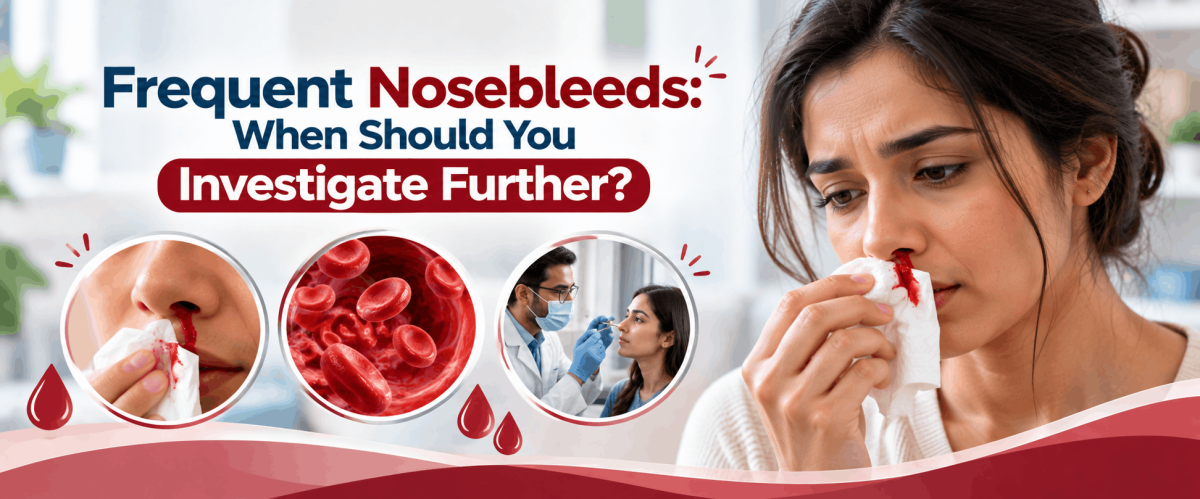
Frequent Nosebleeds: When Should You Investigate Further?
A nosebleed can happen suddenly. Maybe you were blowing your nose, dealing with a cold, or sitting in a room with dry air. Most nosebleeds are minor and stop with simple first aid.
But what if they keep coming back? Frequent nosebleeds are worth checking, especially when they happen without an obvious reason or come with other symptoms. They do not automatically mean you have a serious illness, but they can sometimes point to a problem that needs attention.
What Causes Frequent Nosebleeds?
The inside of the nose has many small blood vessels close to the surface. These vessels can break quite easily, especially when the nasal lining becomes dry or irritated.
Common causes include:
1. Dryness and irritation
Dry weather, air conditioning, or indoor heating can dry out the lining of the nose. Nose picking, forceful nose blowing, and frequent sneezing can also damage small blood vessels.
2. Allergies, colds and sinus problems
Allergies and respiratory infections may cause sneezing, congestion and repeated nose blowing. This irritation can lead to bleeding, especially if the nose is already dry.
3. Nose injury
A minor bump or scratch inside the nose may cause bleeding. If nosebleeds begin after an injury, particularly one involving the head or face, seek medical advice.
4. Certain medicines
Blood-thinning medicines and some pain relievers can increase bleeding or make a nosebleed harder to stop. Nasal sprays may also irritate the lining when used incorrectly or too often.
Do not stop prescribed medicines on your own. Speak with your doctor if you notice a change in bleeding after starting a medicine.
5. Blood pressure and other health conditions
High blood pressure may be present in people who experience nosebleeds, but it is not always the direct cause. Some liver conditions and disorders that affect blood clotting can also contribute to repeated bleeding.
When Should You Investigate Frequent Nosebleeds?
An occasional nosebleed may not need extensive testing. Repeated episodes, though, deserve attention.
Consider arranging a medical appointment if:
-
Nosebleeds happen regularly, such as more than once a week.
-
Bleeding keeps returning without a clear reason.
-
You also have easy bruising or bleeding gums.
-
Your periods are unusually heavy.
-
You feel tired, weak, dizzy, or short of breath.
-
You take blood-thinning medicine.
-
A family member has a known bleeding disorder.
-
Nosebleeds continue despite basic care or keep coming from the same side.
These signs do not confirm a blood disorder. They help the doctor decide whether the nose itself needs examination, whether blood tests may be useful, or whether both are needed.
Could Frequent Nosebleeds Be Related to Low Platelets?
Platelets are blood cells that help form the first plug when a blood vessel is injured. If the platelet count is very low, a person may bruise easily or bleed more than expected.
Frequent nosebleeds can occur with low platelet counts or a bleeding disorder. Other signs may include tiny red or purple spots on the skin, bleeding gums, or prolonged bleeding after a small cut.
Some people have a normal platelet count but still have a problem with clotting proteins or platelet function. That is why a nosebleed alone cannot tell you whether your platelet count is low.
If you are looking for a Hematologist Nagpur, bring your previous blood reports and a list of medicines or supplements to your appointment. Mention any unusual bruising, heavy periods or family history of bleeding.
How Are Frequent Nosebleeds Checked?
A doctor will usually ask how often the bleeding happens, how long it lasts, which nostril is affected and whether anything seems to trigger it. They may also ask about medicines, allergies, past injuries and other bleeding symptoms.
Depending on the situation, assessment may include:
-
Nose examination: An ENT specialist may check the inside of the nose to find the bleeding site.
-
Complete blood count (CBC): Measures blood cells, including platelets, and may help identify anaemia.
-
Clotting tests: Tests such as PT and aPTT may be considered when a bleeding problem is suspected.
-
Further tests: If symptoms or family history suggest an inherited bleeding condition, additional tests may be needed.
Not everyone with a nosebleed needs blood tests. The doctor chooses investigations based on the pattern of bleeding and other findings.
What Should You Do During a Nosebleed?
If your nose starts bleeding:
-
Sit upright and lean slightly forward.
-
Pinch the soft part of your nose, just above the nostrils.
-
Keep steady pressure for 10–15 minutes without releasing to check.
-
Breathe through your mouth and spit out blood that reaches your mouth.
Do not tilt your head backwards. This can cause blood to flow down your throat.
After the bleeding stops, avoid picking or blowing your nose for a while. Saline spray or a suitable nasal moisturiser may help if dryness is contributing to the problem.
When Is a Nosebleed an Emergency?
Seek urgent medical care if the bleeding is heavy, causes breathing difficulty, follows a serious head or face injury, or continues despite firm pressure. Get help promptly if you feel faint, very weak or dizzy, or are swallowing a large amount of blood.
If bleeding persists for around 20–30 minutes despite applying firm pressure, do not keep waiting at home.
The Takeaway
Frequent nosebleeds are often linked to dryness, irritation or allergies. Still, repeated bleeding should not be ignored, particularly when it happens alongside easy bruising, gum bleeding or unusual tiredness.
A medical assessment can help identify whether the cause is local to the nose or related to blood clotting. The right next step depends on your symptoms, examination and test results.
Sources for medical guidance: Mayo Clinic, NHS, MedlinePlus and the American Academy of Otolaryngology–Head and Neck Surgery.










Comments (0)