

Early Warning Signs Your Septic System May Need Professional Attention


Septic problems rarely arrive at a convenient time. A system that seemed to be working normally can suddenly produce an alarm, unpleasant odor, slow drainage, or even a wastewater backup. While some symptoms have simple explanations, others indicate that a component needs to be inspected or repaired.
Recognizing the early warning signs can help homeowners respond before a manageable issue turns into a larger disruption. For property owners in and around Athens, Texas, knowing what to watch for is especially useful when a septic system is responsible for handling all household wastewater.
Pay Attention to Changes in Everyday Drainage
One of the easiest ways to notice a developing septic issue is to pay attention to how plumbing fixtures behave. Homeowners become accustomed to how quickly sinks empty, how toilets flush, and how showers drain, so an unexplained change deserves attention.
A single slow sink does not automatically indicate a septic problem. It could simply be a localized plumbing blockage. However, when multiple drains throughout the house begin operating slowly at approximately the same time, the issue may extend beyond one fixture.
Warning signs can include:
- Toilets that flush sluggishly or inconsistently
- Multiple sinks or tubs draining more slowly than usual
- Gurgling sounds coming from plumbing fixtures
- Water appearing in unexpected drains when another fixture is used
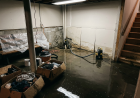
- Wastewater backing up into a tub, shower, or floor drain
A backup is particularly important to address promptly. Continuing to send large amounts of water through a system that is already struggling can make the situation worse.
Don't Ignore a Septic Alarm
Some septic systems include electrical and mechanical components that are monitored by an alarm panel. When an alarm activates, it is designed to get the homeowner's attention.
The first step is not to panic, but it is equally important not to ignore the warning.
Electrical power is one item worth checking. A breaker can trip because of a storm, electrical event, or another interruption. Depending on the system, there may be a breaker at the home's electrical panel as well as controls associated with the septic equipment.
An alarm can also indicate a problem that requires professional diagnosis. Until the cause is identified, reducing household water usage is a sensible precaution. Postponing laundry, long showers, dishwasher cycles, and other high-water activities can reduce the amount of wastewater entering the system.
Homeowners should resist the temptation to repeatedly reset equipment without understanding why the alarm activated. Silencing an audible warning and resolving the condition that caused it are two different things.
Unusual Odors Can Provide an Important Clue
A properly functioning septic system should not routinely make the property unpleasant to use. Persistent sewage-like odors around the treatment system, yard, or home deserve investigation.
Odors can develop for several reasons, and the correct response depends on the type of septic system involved.
For example, an aerobic treatment system relies on mechanical equipment as part of its wastewater treatment process. If an aerator or compressor stops operating correctly, system performance can be affected. Treatment-related supplies and routine maintenance requirements may also need attention.
The location of an odor can provide useful information when describing the problem to a technician. Try to determine whether it is strongest:
- Inside the house
- Near the septic tank or treatment equipment
- Around a spray or dispersal area
- Near a particular plumbing fixture
- In one section of the yard
Instead of attempting to cover a recurring odor with fragrances or other temporary measures, focus on finding its source.
Mechanical Components Can Fail
Not every septic problem involves the tank itself. Modern systems can contain pumps, aerators, compressors, floats, control panels, alarms, and other components.
These parts perform specific jobs, and a failure in one component can affect the operation of the entire system.
A pump problem, for instance, may prevent wastewater from moving through the system as intended. An aerator problem can interfere with an aerobic treatment process. Electrical faults can stop equipment even when the physical components remain intact.
This is where systematic troubleshooting becomes valuable. Instead of assuming the entire septic system has failed, a technician can evaluate the symptoms and determine which component is responsible.
Property owners looking for septic repair near Athens TX may benefit from documenting exactly what happened before requesting service. Details such as when an alarm started, whether the problem followed a storm, which drains are affected, and whether unusual odors are present can give a technician useful context.
Know the Difference Between Repair and Routine Pumping
Septic repair and septic tank pumping are related services, but they are not the same thing.
Pumping removes accumulated material from a septic tank as part of appropriate system care or in response to certain conditions. Repair focuses on diagnosing and correcting malfunctioning components or other system problems.
A homeowner experiencing trouble may initially assume that pumping will solve everything. Sometimes tank servicing is relevant, but a malfunctioning pump, aerator, electrical component, alarm, or control mechanism requires a different solution.
Likewise, replacing a working component will not correct a problem caused by a tank that requires routine service.
This distinction illustrates why diagnosis matters. Addressing the symptom without identifying the underlying cause can lead to unnecessary expense while leaving the original problem unresolved.
Make Troubleshooting Easier for the Technician
When septic trouble occurs, a few simple steps can make the service visit more productive.
First, write down what you observed and when it began. A problem that started immediately after a major thunderstorm provides different context than one that gradually developed over several weeks.
Second, note any recent changes in household water use. Guests, multiple loads of laundry, plumbing leaks, or unusually heavy water consumption can be relevant.
Third, locate any records you have for the system. Installation documents, previous repair invoices, maintenance records, and information about the system type can help establish its history.
Finally, make sure technicians can access the necessary areas of the property. Secure pets and remove movable obstacles where practical. If you know where important system components are located, communicate that information when scheduling the visit.
Avoid opening tanks, handling wastewater, or attempting electrical repairs without appropriate knowledge and equipment. Septic systems involve biological, electrical, and mechanical hazards that are better left to qualified professionals.
Prevent Small Problems From Becoming Major Disruptions
Not every component failure can be predicted, but attentive ownership can make septic problems easier to manage.
Learn what type of system serves your property and what routine maintenance it requires. Pay attention to alarms instead of simply silencing them. Watch for changes in drainage and investigate recurring odors. Keep records of service and repairs so future technicians have a clearer picture of the system's history.
It is also useful for everyone in the household to understand that septic systems have practical limits. Conserving water during a suspected malfunction and keeping inappropriate materials out of household drains can reduce unnecessary strain.
Conclusion
Septic systems often provide clues before a problem becomes a full-scale household emergency. Slow drains, unusual plumbing behavior, alarms, persistent odors, and malfunctioning equipment can all signal that something needs attention.
The key is to respond based on the actual cause rather than making assumptions. Understanding the distinction between routine maintenance and genuine repair, documenting symptoms, and seeking qualified troubleshooting when needed can help homeowners protect both their property and their wastewater system. With a little awareness, many septic issues can be addressed before they become significantly more disruptive.







Comments (0)