

Core Aeration and Overseeding: The Key to a Healthier, Greener Lawn
A beautiful lawn adds charm, value, and comfort to any property. Whether you want to improve your home's curb appeal or create a soft, green outdoor space for your family, maintaining healthy grass requires proper care and attention. Over time, lawns can become thin, compacted, and uneven, making it difficult for grass to grow thick and strong. Two effective lawn care techniques that address these problems are core aeration and overseeding. Together, they help improve soil conditions, encourage new grass growth, and create a healthier lawn that looks attractive throughout the growing season.


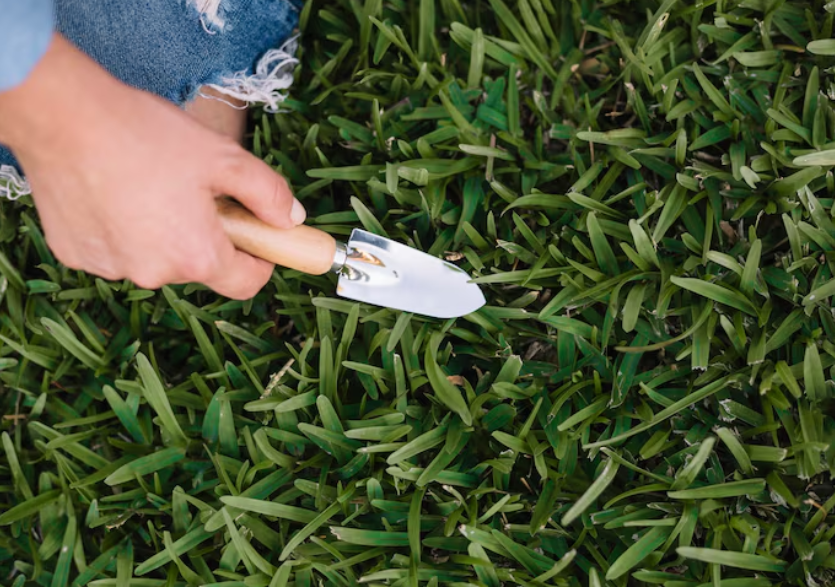
A beautiful lawn adds charm, value, and comfort to any property. Whether you want to improve your home's curb appeal or create a soft, green outdoor space for your family, maintaining healthy grass requires proper care and attention. Over time, lawns can become thin, compacted, and uneven, making it difficult for grass to grow thick and strong. Two effective lawn care techniques that address these problems are core aeration and overseeding. Together, they help improve soil conditions, encourage new grass growth, and create a healthier lawn that looks attractive throughout the growing season.
Understanding Core Aeration and Overseeding
Core aeration is a lawn care process that removes small plugs of soil from the ground. These openings allow air, water, and nutrients to move more easily into the root zone. When soil becomes compacted due to foot traffic, mowing equipment, or natural settling, grass roots may struggle to receive the resources they need. Aeration helps loosen the soil and creates a better environment for root development.
Overseeding involves spreading new grass seed over an existing lawn without completely removing the established grass. This process fills thin areas, improves lawn density, and introduces new grass plants that can help create a more uniform appearance.
When combined, core aeration and overseeding offer a practical way to revitalize an existing lawn. The holes created during aeration provide favorable conditions for seed establishment, helping new grass develop while existing grass continues to grow.
Why Lawn Aeration and Overseeding Matter
Healthy grass depends on more than regular mowing and watering. Soil structure, root development, sunlight, and nutrient availability all influence the overall condition of a lawn. When these factors are not properly managed, grass may become weak, patchy, or vulnerable to environmental stress.
Lawn aeration and overseeding address several common lawn problems. Aeration helps relieve soil compaction, while overseeding increases the number of grass plants growing across the property. Together, these services can improve the appearance and resilience of lawns that have experienced years of regular use.
A thicker lawn can also help limit the space available for weeds to establish. Although overseeding does not eliminate weeds on its own, encouraging healthy grass growth can support a more competitive lawn over time.
Benefits of Core Aeration
One of the primary benefits of core aeration is improved soil airflow. Grass roots need oxygen to function properly, and compacted soil can restrict the movement of air and water. Removing small soil plugs helps create pathways that improve conditions beneath the surface.
Another advantage is better water penetration. When soil is heavily compacted, irrigation and rainfall may run across the surface instead of soaking into the ground. Aeration can help water reach the root zone more effectively, supporting healthier grass growth and making watering more productive.
Core aeration also supports stronger root development. With improved access to water, oxygen, and nutrients, roots may grow deeper and become better equipped to withstand normal environmental challenges.
Aeration can be especially useful for lawns exposed to frequent walking, children playing, pets, or heavy equipment. These activities can gradually compress the soil, creating conditions that prevent grass from reaching its full potential.
Benefits of Overseeding an Existing Lawn
Overseeding is an effective method for improving lawn thickness without starting over with a completely new lawn. As grass ages, certain areas may become thin because of shade, drought, disease, heavy traffic, or inconsistent maintenance. Adding new seed helps introduce additional grass plants into these areas.
A denser lawn generally looks greener and more consistent. New grass can fill gaps between established plants, making bare patches less noticeable and improving the overall appearance of the property.
Overseeding also provides an opportunity to introduce grass varieties better suited to the property's growing conditions. Depending on the climate, soil, and amount of sunlight, a suitable seed blend may improve the lawn's ability to tolerate heat, cold, or regular activity.
Selecting the correct grass seed is important. Cool-season grasses and warm-season grasses have different growing requirements, so seed selection should reflect the local climate and the type of grass already growing in the lawn.
The Best Time to Aerate and Overseed
Timing plays an important role in achieving successful results. The ideal period depends on the grass species and local weather conditions. For many cool-season lawns, late summer through early fall is an excellent time because soil temperatures remain favorable for germination while cooler air temperatures reduce stress on young grass.
Spring can also be suitable in certain situations, although weed competition and approaching summer heat may make establishment more challenging. Warm-season lawns generally benefit from aeration and seeding during their active growth period, with seed selection and timing adjusted to the specific grass variety.
Before beginning, assess the lawn's overall condition. Soil moisture should be appropriate for aeration, allowing equipment to remove soil plugs without excessive difficulty. Extremely dry or waterlogged soil can interfere with the process.
Choosing the right time gives new seedlings a better opportunity to establish strong roots before facing extreme temperatures or other environmental stresses.
Preparing Your Lawn for Treatment
Proper preparation helps maximize the benefits of aeration and overseeding. Begin by mowing the lawn to a suitable height for the existing grass type. Removing excessive grass height can help seed reach the soil more easily.
Clear away leaves, branches, toys, and other debris that could interfere with equipment. Mark sprinkler heads, irrigation lines, and other buried or exposed utilities where appropriate to reduce the risk of damage.
If the soil is very dry, watering lightly before aeration may help the equipment penetrate the ground. Avoid saturating the lawn, as overly wet soil can become difficult to work with.
After aeration, distribute the selected seed evenly across the lawn. Follow the recommended application rate for the seed variety and lawn condition. Applying too much seed may create excessive competition among seedlings, while too little may leave thin areas unchanged.
Caring for Your Lawn After Overseeding
After seeding, consistent moisture is essential. Newly planted grass seed needs suitable moisture to germinate and begin developing roots. Water lightly and frequently enough to keep the upper soil surface from drying out, adjusting the schedule according to weather, soil conditions, and the seed variety.
As the seedlings grow, gradually adjust watering to encourage deeper root development. Avoid excessive irrigation, which can contribute to disease, runoff, and poor root conditions.
Limit heavy foot traffic while the new grass establishes. Avoid mowing until seedlings have reached an appropriate height for the grass species and can tolerate cutting. When mowing becomes necessary, use sharp blades and avoid removing too much grass at once.
Fertilization should also be managed carefully. A soil test can help determine which nutrients are needed, while a fertilizer suitable for new seedlings can support establishment when applied according to product directions.
Choosing Professional Lawn Care Services
Although homeowners can perform some lawn maintenance themselves, professional services can make aeration and overseeding more efficient. Lawn care professionals can evaluate soil compaction, identify thin areas, select suitable seed, and determine the most appropriate treatment schedule.
Professional equipment can also provide more consistent coverage across larger properties. An experienced provider may identify underlying issues such as drainage problems, unsuitable grass varieties, or excessive shade that require attention alongside routine lawn care.
When comparing service providers, ask about the equipment used, seed selection, preparation requirements, aftercare instructions, and recommendations for your property's specific conditions. Understanding the treatment plan helps you maintain realistic expectations and follow the steps needed for successful grass establishment.
Conclusion
A thick, healthy lawn requires a combination of suitable soil conditions, quality grass seed, proper watering, and consistent maintenance. Core aeration and overseeding work together to improve the growing environment, encourage new grass growth, and help existing lawns recover from compaction and thinning.
By investing in lawn aeration and overseeding at the appropriate time, property owners can support stronger roots, improve lawn density, and create a more attractive outdoor environment. With proper preparation and continued care, these practices can become valuable parts of a long-term lawn maintenance plan, helping your grass remain healthier, greener, and better equipped to handle everyday use.









Comments (0)