

Clamshell Packaging: Types, Materials, Benefits, and Uses
Learn about clamshell packaging, its types, materials, benefits, and uses, plus tips for choosing custom packaging that protects products and improves retail display.
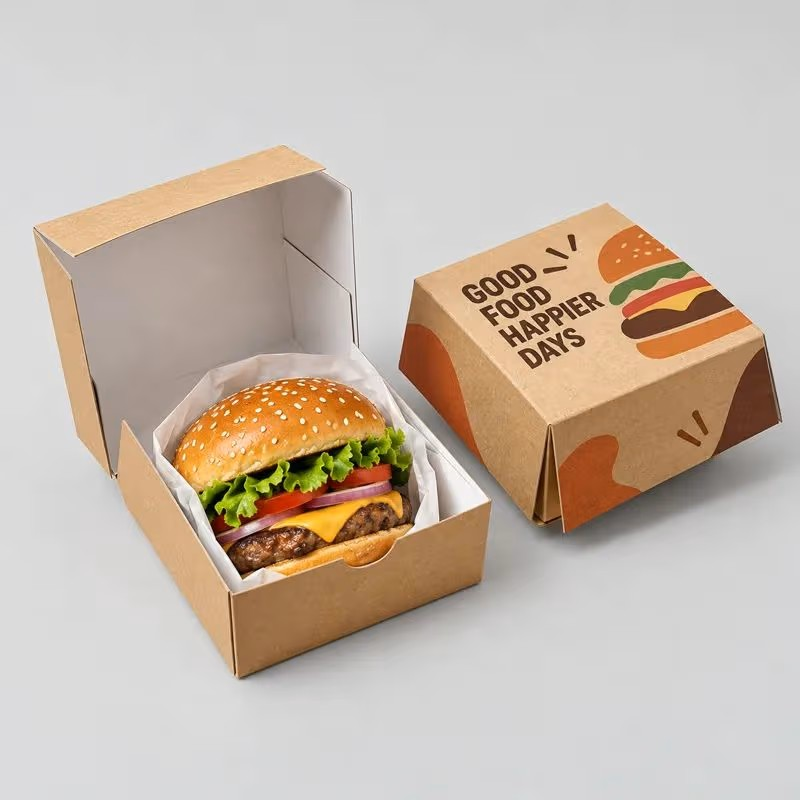
Introduction to Clamshell Packaging
Clamshell packaging is a protective packaging format made from two connected halves that open and close around a product. It commonly features a hinged design, allowing the container to fold together and secure its contents. Depending on the application, clamshells can be manufactured from plastic, molded fiber, or other suitable materials.
Businesses use clamshell packaging for products that need visibility, organization, and protection during storage, transportation, or retail display. Common examples include fresh produce, electronic accessories, cosmetics, hardware components, and small consumer goods.
The packaging's transparent design can help customers inspect products before purchasing, while its fitted shape can hold items in place. However, the right design depends on the product's dimensions, weight, fragility, material requirements, and intended use.
What Is Clamshell Packaging?
Clamshell packaging is a container consisting of two sections connected by a hinge. The sections open like a shell and close around the product. Depending on the design, the container may use snap-fit edges, locking tabs, heat seals, or other closure mechanisms.
Unlike a traditional folding carton, a rigid plastic clamshell can provide a shaped enclosure that follows the product's contours. Some versions have molded cavities that prevent small items from shifting excessively.
For example, a manufacturer selling USB cables might use a clear clamshell to display the product while keeping the cable and accessories organized. A bakery may use a hinged container to hold cupcakes securely during transport.
Clamshells are available in different sizes, shapes, thicknesses, and materials, making them suitable for various packaging requirements.
Common Types of Clamshell Packaging
6 Different types of clamshell packaging serve different purposes. Selecting the appropriate format helps businesses balance product protection, presentation, convenience, and cost.
Hinged Clamshell Containers
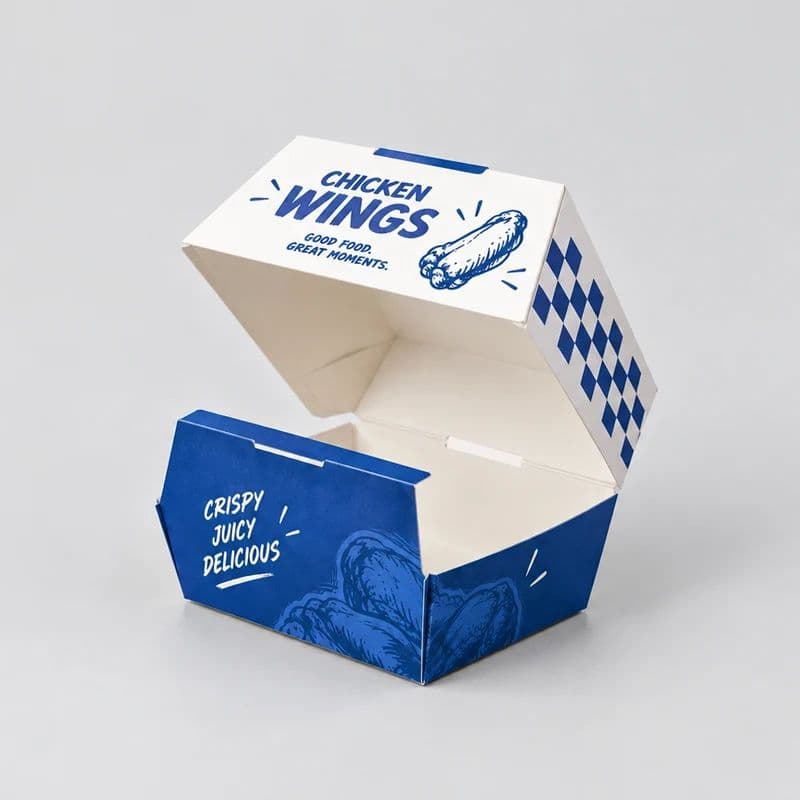
These containers have two connected sections that open and close around the product. They are frequently used for bakery items, fresh produce, takeaway foods, and small household products.
Example: A bakery can use a hinged container to hold muffins in place and reduce the risk of crushing during handling.
Retail Blister Clamshells
Retail blister clamshells are designed to display products while enclosing them in a formed plastic shell. Some designs incorporate a backing card, while others use two molded halves that fit together.
They are commonly used for batteries, toys, phone accessories, and small hardware items. Depending on the closure, opening the package may require cutting or breaking a seal.
Food Clamshell Packaging
Food clamshells packaging are designed for products such as sandwiches, salads, fruit, pastries, and takeaway meals. Their construction may include ventilation holes, locking tabs, or compartments.
Food-contact suitability, temperature tolerance, leak resistance, and ventilation requirements should be evaluated according to the specific food and storage conditions.
Custom-Molded Clamshells
Custom-molded clamshells feature cavities designed around a particular product's dimensions and shape. They are useful for delicate components, precision tools, electronic accessories, and products that require a more structured presentation.
Materials Used in Clamshell Packaging
The material affects durability, transparency, weight, appearance, cost, and end-of-life disposal options.
|
Material |
Key characteristics |
Common applications |
|---|---|---|
|
PET plastic |
Clear, lightweight, and commonly used for formed packaging |
Produce, bakery products, retail goods |
|
PVC plastic |
Can be clear and rigid; recycling options vary by location |
Selected retail and blister applications |
|
PP plastic |
Lightweight and suitable for some heat-resistant applications |
Food containers and consumer goods |
|
Molded fiber or pulp |
Paper-based material with a formed structure |
Protective inserts and selected food containers |
|
Paperboard combinations |
Printable surfaces that support branding and product information |
Retail packaging with formed inserts or clear windows |
Material selection should consider the product's requirements and the packaging's intended use. For food applications, verify applicable food-contact requirements. For recyclable packaging, check local collection rules and the actual material composition rather than relying solely on a recycling symbol.
Benefits of Clamshell Packaging
Product Protection
A properly designed clamshell can help shield products from dust, handling, and certain types of physical damage. Custom-shaped cavities can also help limit product movement.
However, the degree of protection depends on material thickness, closure strength, package fit, and shipping conditions.
Product Visibility
Clear clamshell packaging allows shoppers to see the product without opening the package. This is useful for colorful accessories, fresh produce, toys, and other items where appearance influences purchasing decisions.
Organized Retail Display
Clamshells can keep multiple components together and support orderly shelf presentation. Some designs can also accommodate hanging tabs for pegboard displays.
Convenient Storage and Handling
A fitted enclosure can keep small products and their accessories together. Hinged versions may also simplify access when they use a reusable closure.
Branding Opportunities
Businesses can combine transparent containers with printed inserts, backing cards, labels, or branded sleeves. These elements can communicate product details, instructions, and brand identity without hiding the product.
Tamper Evidence
Certain clamshell designs use heat seals, security labels, or closures that visibly show when a package has been opened. A standard snap-fit closure, however, should not automatically be considered tamper-evident.
Common Uses of Clamshell Packaging
Clamshell packaging is used across several industries because its shape can be adapted to different product sizes and handling requirements.
-
Food and bakery: Restaurants can package sandwiches, salads, cookies, muffins, and pastries in appropriately designed food-grade containers.
-
Electronics: Retailers can use fitted clamshells for cables, chargers, batteries, and small accessories.
-
Cosmetics: Selected beauty tools, applicators, and cosmetic accessories can be displayed in clear clamshell packs.
-
Hardware and tools: Screws, fasteners, drill accessories, and small tools can be arranged in individual compartments.
-
Toys and stationery: Small toys, craft supplies, pens, and other lightweight products can be packaged for retail display.
-
Fresh produce: Hinged containers can hold berries, cherry tomatoes, grapes, and other delicate produce, with ventilation designed for the product.
For example, an electronics retailer may prefer a custom-fitted clamshell with a hanging tab, while a bakery may prioritize a secure closure and enough headspace to prevent icing from touching the lid.
How to Choose the Right Clamshell Packaging
Before ordering clamshell packaging, businesses should evaluate the following factors.
-
Product dimensions: Measure the product's length, width, and height. Include any accessories that must fit inside the package.
-
Material requirements: Choose a material that suits the product's weight, temperature, moisture exposure, and display requirements.
-
Closure design: Decide whether a snap-fit closure is sufficient or whether a seal or security feature is needed.
-
Retail presentation: Consider transparency, printed inserts, hanging tabs, labels, and available branding space.
-
Transportation: Evaluate stacking, carton arrangement, and resistance to expected handling impacts.
-
Order quantity and cost: Compare tooling requirements, unit pricing, minimum order quantities, and shipping costs.
-
Environmental considerations: Review material composition and local recycling or composting infrastructure before making environmental claims.
Requesting a sample or prototype can help verify the package fit and closure before placing a large production order.
Clamshell Packaging vs. Other Packaging Types
|
Feature |
Clamshell packaging |
Folding cartons |
Mailer boxes |
|---|---|---|---|
|
Product visibility |
High with clear materials |
Usually limited unless a window is added |
Usually limited |
|
Structure |
Hinged, formed enclosure |
Folded paperboard |
Corrugated or paperboard box |
|
Typical use |
Retail goods, produce, accessories |
Cosmetics, food products, consumer goods |
E-commerce shipping |
|
Branding options |
Labels, inserts, sleeves |
Printing on carton panels |
Exterior and interior printing |
|
Main consideration |
Material and closure suitability |
Board strength and folding design |
Shipping protection and box strength |
Each format serves a different purpose. A clamshell may suit a product that benefits from visibility, while a folding carton can provide more printable surface area. A mailer box may be more appropriate when a product needs a dedicated shipping package.
Frequently Asked Questions About Clamshell Packaging
1. What is clamshell packaging used for?
Clamshell packaging is used for food, fresh produce, electronics accessories, hardware, toys, cosmetics accessories, and other retail products that need an enclosed package.
2. What materials are used for clamshell packaging?
Common materials include PET, recycled PET (rPET), PVC, polypropylene (PP), molded fiber, and selected paper-based combinations. The appropriate material depends on the application.
3. Is clamshell packaging recyclable?
Some clamshells can be recycled, but acceptance varies by material, local recycling infrastructure, and collection rules. Check local guidance before placing packaging in a recycling bin.
4. Is clamshell packaging suitable for food?
Yes, when the container is made from materials suitable for the intended food and conditions of use. Businesses should verify food-contact compliance and any applicable temperature limitations.
5. Can clamshell packaging be customized?
Yes. Depending on the manufacturing method, customization can include dimensions, cavity shapes, closure mechanisms, colors, printed inserts, labels, and hanging tabs.
6. Does clamshell packaging protect fragile products?
A well-fitted design can help hold fragile products in position and reduce certain handling risks. Additional cushioning or protective inserts may be necessary for shipping.
7. What is the difference between a clamshell and a blister pack?
A traditional blister pack generally consists of a formed cavity attached to a backing card or film. A clamshell typically has two connected sections that close around the product, although retail formats can overlap.
8. Is clamshell packaging reusable?
Some clamshells can be reopened and reused if their closures and materials remain intact. Single-use designs should not be assumed to withstand repeated use.
9. Can clamshell packaging be used for hot food?
Some materials are suitable for particular hot-food applications, while others are not. Always confirm the manufacturer's temperature limits and intended-use specifications before selecting a container.
10. How do businesses choose the right clamshell size?
Measure the product and accessories, allow sufficient clearance, and evaluate cavity depth, closure fit, and stacking requirements. Testing a sample helps confirm suitability.
Conclusion: Find Custom Packaging Solutions with HOF Pack
Choosing the right clamshell packaging involves balancing product protection, material suitability, retail presentation, and overall packaging costs. By evaluating the product's dimensions, handling requirements, and intended application, businesses can select a package that supports their operational and branding needs.
For businesses exploring alternatives or complementary packaging formats, HOF Pack offers custom box packaging solutions, including mailer boxes, rigid boxes, retail packaging, custom-printed boxes, and flexible packaging options. Businesses can discuss their product specifications, material preferences, branding requirements, and order quantities to explore suitable packaging designs and wholesale pricing. The right packaging strategy can help maintain product presentation and create a consistent brand experience across retail and e-commerce channels.

HOF Pack provides professional Custom Box Packaging solutions for brands looking for reliable, attractive, and functional product packaging. As a custom packaging manufacturer in the USA, we produce packaging tailored to specific product sizes, shapes, branding requirements, and shipping needs. Our capabilities include custom printed boxes, mailer boxes, rigid boxes, retail packaging, folding cartons, shipping boxes, and flexible packaging. Custom Box Packaging from HOF Pack can help businesses improve product protection while creating a stronger visual identity through branded colors, logos, artwork, finishes, and structural designs. We work with businesses in retail, eCommerce, food, cosmetics, consumer products, and other industries. Our packaging process includes requirement planning, structural design, 3D mockups, production, printing, quality control, and delivery. By combining practical design with dependable manufacturing, HOF Pack helps businesses source custom packaging that aligns with product requirements, brand objectives, and budget considerations. G-mail : [email protected] Phone Number: +18884294881 address: 3700 W TYBOLT Dr, Tucson, AZ 85746, USA website: https://hofpack.com/




Comments (0)