

Why an Offset Charcoal Smoker Still Beats Everything Else on the Market
That means you're probably staring at an offset charcoal smoker right now trying to figure out if it's worth the money and the hassle.

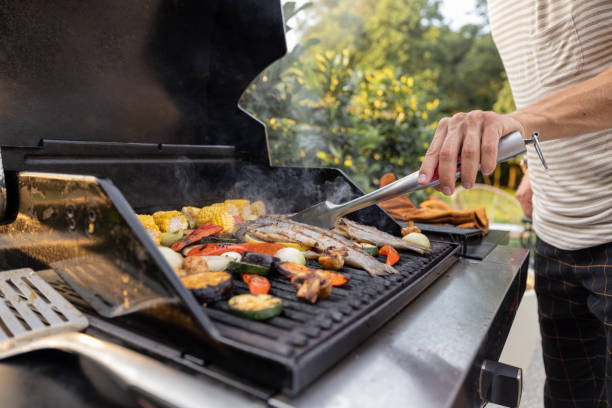
So you're thinking about getting into real barbecue. Not the gas grill sear-a-burger kind, the actual low and slow, wake-up-at-5am, tend-the-fire-all-day kind. Good. That means you're probably staring at an offset charcoal smoker right now trying to figure out if it's worth the money and the hassle. Short answer: yes. Long answer, well, that's what the rest of this is for.

I've been messing around with smokers for close to a decade now, and I still remember my first offset. Cheap thing, thin steel, leaked smoke out of every seam like it was trying to signal a rescue plane. Took me two summers of fighting temperature swings before I actually understood what I was doing wrong. Turns out most people quit right around that point. Don't be most people.
What Makes an Offset Charcoal Smoker Different Anyway
Here's the deal. An offset smoker has a firebox attached to the side of the main cooking chamber. You build your fire in the box, the heat and smoke travel sideways into the chamber, roll over your meat, and exit out a chimney on the far end. That horizontal path is what gives you that deep, layered smoke flavor you just cannot fake with a pellet grill or one of those vertical bullet smokers.
It's not the easiest setup for a beginner, I'll be honest with you. You've got to manage airflow, manage your fuel, manage the hot spot near the firebox side. It's basically a part time job for six hours. But that's also exactly why the food tastes different. There's no shortcut button. You're literally chasing the fire the whole cook, adjusting vents, adding splits or charcoal, watching the smoke color to make sure it's thin and blue instead of thick and white.
And honestly, once you get the hang of managing an offset, everything else feels like cheating.
Steel Thickness Actually Matters, Don't Skip This Part
This is where a lot of buyers get burned, pun intended. A thin-gauge offset smoker heats up fast, sure, but it also loses heat just as fast the second the wind picks up or the temp outside drops. You end up babysitting the fire constantly just to hold a steady 225-250 degrees.
Heavier gauge steel, we're talking quarter inch or thicker on a quality build, holds heat like a rock. It takes longer to come up to temp, but once it's there, it stays there. Less fussing, more consistent bark, better results overall. If you're comparing units and one is noticeably cheaper, there's a good chance the steel is thinner. That's usually where the cost gets cut.
Charcoal vs Offset Wood Setup — Which One's for You
Traditional offsets are built to run on wood splits, but plenty of folks run a hybrid method, charcoal as the heat base with wood chunks or splits added for smoke flavor. It's actually a smart way to go if you're newer to this. Charcoal gives you a more predictable, steady burn, and you're not constantly guessing how a fresh wood split is going to behave.
An offset charcoal smoker setup like that gives you the best of both worlds honestly. More consistent temps, still get that real smoke ring and bark you're after, and it's a little more forgiving on those long overnight cooks when you might doze off for twenty minutes (we've all done it).
Bbq Pit Trailers — Taking It Up a Notch
Now if you're past the backyard hobby stage and thinking bigger, like catering, competitions, or you just want something you can tow to the lake house, that's where bbq pit trailers come into the picture. These are basically full smoker rigs mounted on a trailer chassis so the whole setup is mobile. Bigger cook chamber, often a built in firebox, sometimes a warming box or sink station bolted on depending on how decked out you go.
The appeal is obvious. You're not limited to cooking in one spot anymore. Competition season rolls around, you hitch up and go. Need to cater a wedding for 200 people, you've got the capacity and the mobility to actually pull it off. A stationary offset just can't compete with that kind of flexibility, no matter how good the steel is.
Pit trailers aren't cheap though, not gonna sugarcoat that. You're paying for the smoker itself plus the trailer, the axles, the tires, all of it. But if barbecue is more than a weekend hobby for you, if you're actually trying to build something out of it, the investment usually pays for itself pretty quick once you start booking events or winning a little prize money at comps.
Picking the Right Size for What You Actually Cook
Big mistake people make, they buy way more smoker than they need, or way less. Think about what you're actually gonna cook on a regular basis. Cooking for your immediate family on weekends? A smaller offset with a couple hundred square inches of cooking space is plenty. Hosting big parties, doing whole hog cooks, or thinking about catering down the road? You need to size up, and probably start looking at those bbq pit trailers instead of a stationary rig.
Also think about storage and mobility even if you're not going full trailer route. Some offsets have wheels but they're heavy as sin and not exactly easy to roll around a gravel driveway. If you think you'll ever need to move it, factor that into your decision now, not after you've already bought it.
Maintenance, Because Nobody Talks About This Enough
Steel rusts. That's just a fact of life with these things, especially if you're cooking outdoors year round or live somewhere humid. Season your smoker before the first cook, oil it down periodically, and honestly just wipe it out after big cooks instead of letting grease and ash sit in there for weeks. It's not glamorous work but it adds years to the life of your smoker.
Gaskets and seals wear out too, especially around the firebox door and the main chamber lid. If you're losing smoke out the seams instead of it rolling through the chamber like it should, that's usually your first clue something needs replacing.
Final Thoughts Before You Buy
Look, there's no smoker that turns you into a pitmaster overnight. An offset charcoal smoker rewards patience and punishes shortcuts, that's just how it goes. But once you dial it in, once you understand your own fire and your own rig, there's genuinely nothing else that produces barbecue quite like it. It's a different animal from a pellet smoker, and honestly, most serious barbecue folks will tell you the same thing.
Whether you're starting small in the backyard or you're ready to go all in with one of the bbq pit trailers built for real volume, the choice comes down to what you actually need and how serious you are about doing this long term. Don't buy based on looks alone. Look at steel gauge, look at build quality, and think honestly about how you'll actually use it.
If you're ready to stop overthinking it and just get a rig that's actually built to last, go check out what's available at https://lonestargrillz.com/. Worth a look before you settle for something thinner and cheaper that won't hold up past year two.

FAQs
1. What's the real difference between an offset charcoal smoker and a regular charcoal grill? A grill cooks food directly over the heat source, fast and hot. An offset smoker moves the fire to a separate firebox so heat and smoke travel sideways over the meat instead, giving you that low and slow cook with way more smoke flavor built in.
2. How long does it take to season a new offset smoker? Usually a few hours the first time, running it empty at a moderate temp with some oil coated on the interior. It helps prevent rust and burns off any manufacturing residue before you cook actual food on it.
3. Are bbq pit trailers worth it for someone who isn't doing catering or competitions? Depends on how much you cook and how often you move locations. If you're tailgating a lot, doing big family events, or just like the idea of mobile cooking, a smaller pit trailer can absolutely make sense even outside of business use.
4. What steel thickness should I look for when buying an offset smoker? Aim for quarter inch steel or thicker if you can swing it. Thinner steel is cheaper upfront but loses heat fast and makes temperature control a constant headache, especially in cold or windy weather.











Comments (0)