

What Happens When You Stop Using Mounjaro for Weight Management?
what happens when you stop using Mounjaro for weight management, including appetite changes, weight regain, and the importance of medical guidance.

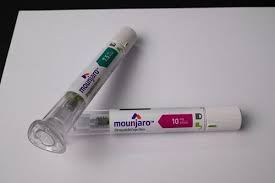
Mounjaro is a prescription medication containing tirzepatide that is used to improve blood sugar control in adults with type 2 diabetes and may also be prescribed for weight management where approved. It works by activating GIP and GLP-1 receptors, which influence blood sugar regulation, appetite, and feelings of fullness.
When someone stops using Mounjaro, the medication's effects gradually wear off. Appetite may increase, feelings of fullness may decrease, and maintaining previous weight-loss results can become more challenging. However, everyone's experience is different, depending on factors such as lifestyle habits, medical history, treatment duration, and individual metabolism.
Understanding these changes before discontinuing treatment can help patients prepare for the next stage of their weight management journey.
How Does Your Appetite Change After Stopping Mounjaro?
One of the most noticeable changes after stopping Mounjaro may be an increase in appetite. During treatment, tirzepatide can help people feel satisfied for longer and reduce hunger. Once its effects diminish, these benefits may become less noticeable.
Some people may experience stronger food cravings, feel hungry sooner after meals, or find it harder to manage portion sizes. These changes do not necessarily mean that someone lacks discipline. They reflect the return of biological signals that influence hunger and food intake.
Building sustainable eating habits during treatment can help individuals respond to these changes. Balanced meals containing protein, fibre-rich vegetables, whole grains, and healthy fats may support fullness and provide essential nutrients.
Can You Regain Weight After Stopping Mounjaro?
Weight regain is possible after discontinuing Mounjaro, particularly when the medication was helping control appetite and energy intake. Research published in the medical journal JAMA in 2025 found that people who switched from tirzepatide to a placebo after an initial treatment period experienced substantial weight regain over the following year, while those who continued treatment maintained or increased their weight loss.
This evidence highlights an important consideration: obesity and excess weight can involve long-term biological factors, and treatment effects may not continue after a medication is withdrawn.
However, weight regain is not inevitable, and its extent varies between individuals. Nutrition, physical activity, sleep, stress management, underlying health conditions, and ongoing clinical support can all influence long-term outcomes.
Rather than focusing only on the number on the scale, patients should consider improvements in overall health, strength, mobility, and sustainable daily habits.
What Happens to Blood Sugar Levels After Discontinuation?
Mounjaro also affects blood glucose regulation. For people using it to manage type 2 diabetes, stopping treatment may cause blood sugar levels to rise as its glucose-lowering effects wear off.
This is particularly important for individuals who rely on the medication as part of their diabetes management plan. Changes in blood sugar may occur even when a person does not notice obvious symptoms.
Patients should never discontinue or change their diabetes medication without consulting their prescribing healthcare professional. A clinician can review glucose readings, assess other medications, and determine whether an alternative treatment or monitoring plan is needed.
People using tirzepatide primarily for weight management should also discuss any relevant medical conditions before making changes to treatment.
How Can You Maintain Your Progress After Stopping Mounjaro?
Maintaining progress requires a realistic plan that can be followed over the long term. Although lifestyle changes cannot guarantee that weight will remain stable, they can support overall health and help individuals manage changes in appetite.
Focus on Balanced Nutrition
Choose regular, balanced meals that provide protein, fibre, vitamins, and minerals. Planning meals in advance and recognising hunger and fullness cues may help reduce unplanned eating.
Avoid extreme calorie restriction, as it can be difficult to sustain and may negatively affect energy levels and nutritional intake.
Stay Physically Active
Regular movement supports cardiovascular health, strength, and weight management. A combination of aerobic activity and resistance training can be beneficial, with the type and intensity adjusted to individual fitness levels and medical needs.
Prioritise Sleep and Stress Management
Poor sleep and ongoing stress can influence appetite, food choices, and daily energy levels. Maintaining a consistent sleep routine and using practical stress-management strategies may help support healthy behaviours.
Monitor Changes Without Becoming Overly Restrictive
Tracking weight trends, appetite changes, activity, and other relevant health measures can help identify patterns early. Monitoring should be supportive rather than a source of anxiety. Seek professional guidance if weight changes become concerning or difficult to manage.
Should You Taper Mounjaro Before Stopping?
There is no universally established, evidence-based tapering schedule for stopping tirzepatide specifically to prevent weight regain. Patients should not independently reduce doses, extend injection intervals, or change their treatment plan.
A healthcare professional can review the reason for stopping, current dose, treatment response, side effects, other medications, and relevant health conditions. Depending on the circumstances, the clinician may recommend continued treatment, an alternative medication, or a structured plan for managing weight and blood sugar after discontinuation.
If Mounjaro is being stopped because of side effects, pregnancy planning, or another medical concern, prompt communication with the prescribing professional is especially important.
When Should You Seek Medical Advice?
Arrange a clinical review before stopping Mounjaro whenever possible. Seek advice if you notice persistent changes in appetite, significant weight regain, or difficulty maintaining healthy routines.
People with diabetes should follow their clinician's instructions for blood glucose monitoring and medication adjustments. Urgent medical attention is necessary for severe symptoms, including signs of significantly abnormal blood sugar or serious dehydration.
Individualised medical guidance is more reliable than following a discontinuation plan designed for someone else.
Mounjaro Weight Management Guidance at Tajmeels Clinic
At Tajmeels Clinic, patients considering Mounjaro treatment changes can discuss their weight management goals, treatment history, lifestyle habits, and concerns during a clinical consultation. An appropriate assessment can help identify factors that may affect weight maintenance and determine whether additional monitoring, lifestyle support, or alternative medical options should be considered.
Patients should receive clear information about realistic expectations, possible changes after discontinuation, and the importance of ongoing follow-up. Treatment decisions should be made with a qualified healthcare professional based on individual needs rather than a one-size-fits-all approach.
Conclusion
Stopping Mounjaro can lead to changes in appetite, feelings of fullness, weight, and blood sugar regulation. Some individuals regain weight, while others maintain part of their progress through sustainable lifestyle habits and appropriate medical support. Planning ahead, maintaining balanced nutrition, staying active, and consulting a healthcare professional can help make the transition safer and more manageable.

Tajmeels clinic is different from other cosmetic resorts because our doctors are specialized in their fields from the best organizations in the world












Comments (0)