

Mole Removal in Dubai: Signs You Should Not Ignore
Which mole changes should never be ignored? Learn the warning signs that warrant prompt assessment in Dubai and what happens at a medical review.

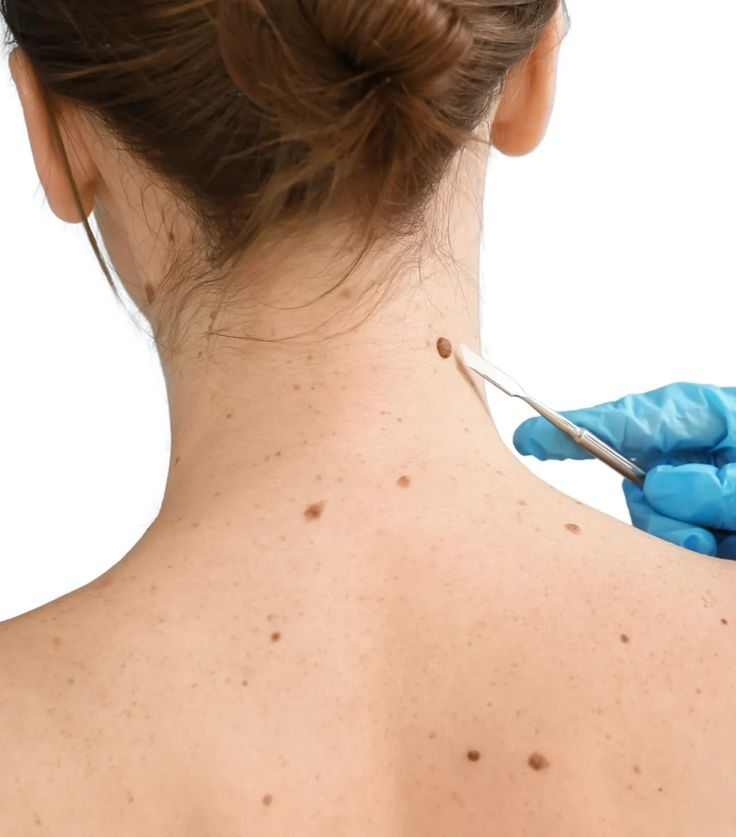
Most moles are harmless, and most changes turn out to be nothing. But the patients who fare best are rarely the ones who worried most — they are the ones who acted on a specific change rather than talking themselves out of it. Recognising which signs genuinely warrant attention, and which can reasonably be monitored, is a skill worth developing. This article sets out the features that should prompt a medical review of mole removal in Dubai options without delay, explains why each one matters, and clarifies what to do if you notice them.
Mole Removal in Dubai: The Changes That Warrant Prompt Review
A mole that has been stable for years and then begins to evolve is the classic trigger. Specifically, seek assessment if a mole:
-
Grows noticeably over weeks or months
-
Develops irregular, blurred, or notched borders
-
Shows mixed colours within one lesion — brown, black, red, white, or blue
-
Becomes raised, firm, or lumpy where it was previously flat
-
Itches persistently without an obvious cause
-
Bleeds or crusts without injury
-
Develops after adulthood, particularly one that looks unlike the patient's other moles
None of these confirms a serious problem. Each moves the mole from "monitor at home" to "have it examined properly."
Mole Removal in Dubai: Signs That Need Attention Without Delay
Some presentations are uncommon but should not wait for a convenient appointment:
-
Spontaneous bleeding from a mole without injury
-
Rapid growth over days or a few weeks
-
Ulceration that does not heal
-
A dark streak under a nail that widens or darkens
-
Satellite spots appearing around an existing mole
-
Pain or tenderness in a mole that was previously comfortable
These features are rare. When present, they justify prompt assessment rather than observation.
Why "Wait and See" Is Usually the Wrong Instinct
Patients delay for understandable reasons: fear of what an examination might reveal, assumption that a change will settle, or reluctance to seem overly concerned.
The difficulty is that skin lesions requiring treatment are generally easier to manage when identified early. Waiting does not make assessment less necessary — it postpones it, sometimes until the lesion is larger or more complex.
In our clinical experience, patients who present promptly with a change they noticed are usually reassured quickly. Those who waited often arrive with more anxiety than the situation warranted. An examination that finds nothing concerning is a good outcome, not a wasted appointment.
Mole Removal in Dubai: Who Should Be Checked More Regularly
Some patients benefit from proactive skin review even without a specific worrying mole:
-
Personal history of skin cancer or melanoma
-
Strong family history of melanoma
-
Many moles, particularly atypical ones
-
Significant cumulative sun exposure or history of sunburn
-
Fair skin that burns easily
-
A suppressed immune system
For these groups, periodic checks are a reasonable habit rather than a response to a specific concern.
What Happens at a Medical Review
A review follows a structured path. The clinician takes a history, examines the mole and surrounding skin, and often uses dermoscopy to look beneath the surface. The conclusion generally falls into one of three categories:
Reassurance. The mole is benign and can be monitored, with clear guidance on what changes would prompt a return.
Monitoring. The mole is not immediately concerning but warrants follow-up after an interval, particularly if changing slowly.
Removal with analysis. Where doubt exists, excision with laboratory examination is usually recommended.
The important point is that a review produces a plan, not just an opinion.
Mole Removal in Dubai: The Role of the Clinic in Early Detection
Access to a prompt appointment matters enormously. A mole that is changing should be seen within a reasonable timeframe, not placed on a waiting list for months. Clinics that prioritise urgent skin concerns provide a genuine safety net.
At Tajmeels Clinic in Dubai, patients presenting with a changing or symptomatic mole are assessed using the same structured approach applied to any skin lesion, and the conversation is framed around what the examination shows rather than what the patient hopes to hear.
Questions Worth Asking When You Book
-
How soon can I be seen for a changing mole?
-
Will dermoscopy be used during the examination?
-
What should I do if the mole changes further before my appointment?
-
If removal is advised, will the tissue be tested?
-
How will I receive the results?
Final Thoughts
Knowing when to act on a mole is less about memorising a checklist and more about noticing change and responding to it without delay. Most reviews end in reassurance, and the ones that do not are usually easier to manage when caught early. If a mole has begun to behave differently, booking an assessment is a sensible, low-risk step — and one that patients rarely regret.
Book Consultation Through
WhatsApp: +971 56 203 8751
Phone: +971 4 373 9000
Social Media:















Comments (0)