

Gynaecomastia in Dubai and Causes of Male Breast Enlargement
Discover common causes of male breast enlargement, how gynaecomastia is assessed, and when treatment may be considered at Tajmeels Clinic in Dubai.
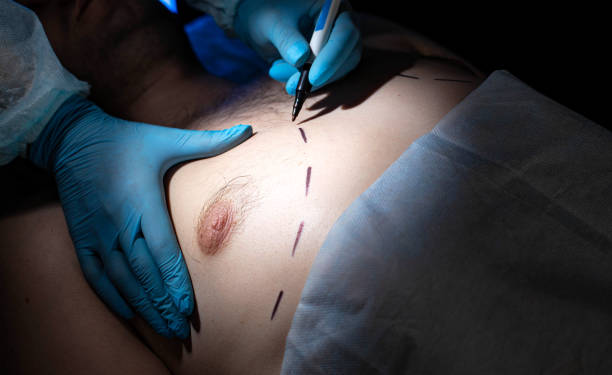
Gynaecomastia in Dubai is a treatment option men may explore when enlarged breast tissue affects their chest appearance, comfort, or confidence. Gynaecomastia refers to an increase in glandular breast tissue in males. It can develop at different ages and may affect one or both sides of the chest.
Understanding the cause of breast enlargement is an important first step. Not every enlarged male chest is caused by glandular tissue, and the appropriate treatment depends on the underlying issue, medical history, and individual goals.
At Tajmeels Clinic, men considering male breast reduction can enquire about an assessment to discuss their concerns, understand possible treatment approaches, and determine whether surgery may be appropriate.
What Is Gynaecomastia
Gynaecomastia is a benign enlargement of glandular breast tissue in males. It can produce fullness beneath the nipple or create a more prominent chest contour.
The condition may occur during puberty, later adulthood, or other periods when hormonal balance changes. Certain medications and medical conditions can also contribute. In some cases, no clear cause is identified.
Gynaecomastia is not the same as male breast cancer, but a new or unusual breast change should not automatically be assumed to be harmless. A medical assessment helps distinguish common causes from findings that require further investigation.
Common Causes of Gynaecomastia in Dubai Patients
Several factors can contribute to male breast enlargement. Identifying the likely cause helps determine whether observation, medical management, lifestyle changes, or surgery should be considered.
Hormonal changes
Breast tissue responds to the balance between testosterone and estrogen. Although both hormones are present in males, changes in their relative effects can encourage glandular tissue growth.
Hormonal changes may occur during puberty and ageing. Persistent enlargement in adults may warrant assessment to identify any relevant underlying condition.
Medication-related breast enlargement
Certain prescription medicines can contribute to gynaecomastia. Some treatments affecting hormones, selected cardiovascular medicines, and other drugs may be associated with breast tissue changes.
Do not stop or change prescribed medication on your own. A healthcare professional can review your medicines and decide whether an alternative or additional investigation is appropriate.
Medical conditions
Some health conditions can affect hormone production or metabolism and contribute to breast enlargement. These may include thyroid, liver, kidney, or testicular conditions.
A clinician may recommend additional assessment based on the symptoms, examination findings, and medical history.
Fat accumulation in the chest
An increase in fatty tissue can make the male chest appear enlarged. This is often called pseudogynaecomastia, or chest enlargement caused primarily by fat rather than glandular tissue.
Some individuals have a combination of excess fat and glandular tissue. The distinction matters because the treatment approach may differ.
Gynaecomastia vs Pseudogynaecomastia
Although the two conditions can look similar, they involve different types of tissue.
| Feature | Gynaecomastia | Pseudogynaecomastia |
|---|---|---|
| Main tissue involved | Enlarged glandular tissue | Predominantly fatty tissue |
| Possible contributing factors | Hormonal changes, medicines, or medical conditions | Body-fat distribution and weight changes |
| Role of weight management | May not remove established glandular tissue | May reduce chest fullness when excess fat is the main cause |
| Treatment approach | Depends on the cause and may include surgery | May involve weight management and, in selected cases, contouring treatment |
A physical examination is often needed to understand which type of tissue is contributing to the chest appearance. Self-assessment alone cannot reliably establish the diagnosis.
When Should Men Seek Medical Assessment
It is sensible to arrange a medical assessment when breast enlargement is persistent, painful, or concerning. Some cases are associated with normal hormonal changes, while others need further investigation.
Seek prompt medical advice if you notice:
-
A new or hard lump, particularly if it is off-centre from the nipple.
-
Rapid or unexplained enlargement.
-
Nipple discharge, especially if bloody.
-
Skin dimpling, nipple retraction, or a persistent skin change.
-
A lump or swelling in the testicular area.
-
Persistent pain or tenderness without an obvious explanation.
These symptoms do not automatically indicate a serious condition, but they should be evaluated rather than treated as a purely cosmetic concern.
How Gynaecomastia Treatment Is Planned
Treatment depends on the cause, duration, severity, and impact of the condition.
A typical assessment may involve the following steps:
-
Medical history review: Discuss when the enlargement began, whether it has changed, and any associated symptoms.
-
Medication and health review: Identify medicines, supplements, or health conditions that may be relevant.
-
Physical examination: Assess the chest and determine whether glandular tissue, fat, or both may be involved.
-
Additional investigations when indicated: Blood tests or imaging may be recommended if the cause is unclear or the findings require further assessment.
-
Treatment discussion: Consider observation, management of an underlying cause, or surgery when clinically appropriate.
Surgery is not automatically the first step. In some situations, treating an underlying cause or monitoring the condition may be more suitable.
Explore Gynaecomastia Treatment at Tajmeels Clinic
Understanding the cause of male breast enlargement helps establish a more appropriate treatment plan. Whether your concern involves glandular tissue, chest fat, or a combination of both, an individualized assessment is an important starting point.
Contact Tajmeels Clinic to enquire about a personalized consultation for Gynaecomastia in Dubai. Call +971 4 373 9000 or email [email protected] to discuss your concerns and possible next steps.
Medical disclaimer: This article is for general educational purposes only. It does not replace a clinical examination, diagnostic assessment, or ind
Frequently Asked Questions

I’m part of Tajmeels Clinic in Dubai, sharing insights on Rhinoplasty Dubai, facial harmony, skincare, hair restoration, and personalized aesthetic care. lear more: https://tajmeels.ae/en/plastic-surgery/closed-rhinoplasty/













Comments (0)