

FRP Planter: A Smart Investment for Modern Green Spaces
Discover how FRP planters combine versatile designs, lightweight construction, and practical maintenance for residential and commercial landscaping projects.


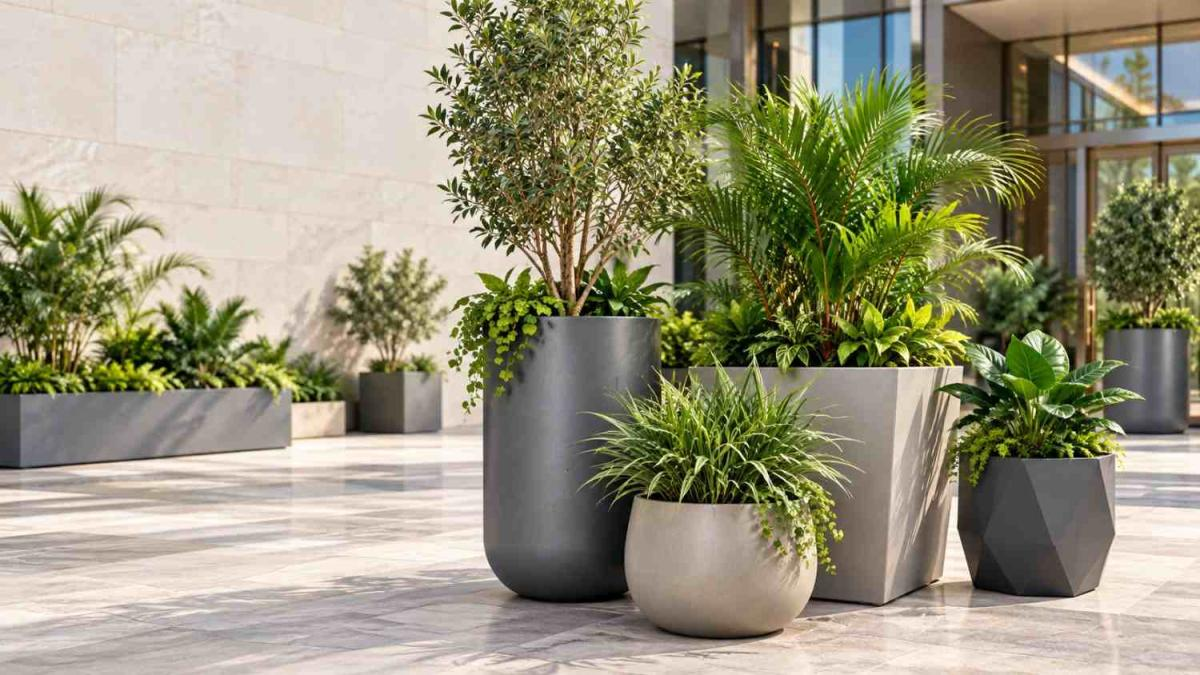
Creating an attractive green space requires more than selecting suitable plants. The containers used for planting must complement the surroundings, support healthy plant growth, and withstand the conditions in which they are installed. From corporate offices and luxury hotels to residential balconies and commercial complexes, modern landscaping projects increasingly require planters that balance functionality with visual appeal. An FRP Planter is one option that meets these requirements through its lightweight construction, design flexibility, and suitability for a wide range of applications.
Made from fiberglass-reinforced plastic, FRP planters combine polymer resin with glass-fibre reinforcement. This composite material allows manufacturers to produce containers in different shapes, sizes, colours, and finishes. As a result, FRP planters can accommodate diverse architectural styles and landscaping requirements without relying on a single standard design.
Understanding the Growing Demand for FRP Planters
Traditional planters made from concrete, clay, and metal continue to serve many landscaping needs. However, each material has particular handling, maintenance, and design considerations. Heavy containers can complicate installation, while certain finishes may require additional care depending on exposure and usage.
FRP provides an alternative for projects where design consistency, easier handling, and flexible styling are important. Its mouldable construction allows the production of round containers, rectangular troughs, tall statement planters, and geometric designs suitable for contemporary environments.
For architects, landscape designers, contractors, and property developers, this versatility makes FRP a useful material to consider when planning green spaces. The right product still depends on the intended location, plant species, environmental exposure, and overall project budget.
Major Advantages of Using FRP Planters
Lightweight Construction for Flexible Installation
One of the key advantages of FRP is its relatively low weight compared with many concrete or stone planters of similar dimensions. This can simplify transportation, handling, and positioning during installation.
The benefit is particularly relevant to office interiors, terraces, balconies, hotels, and commercial entrances, where large containers may need to be positioned carefully. Nevertheless, project teams should assess the total loaded weight, including soil, plants, and retained water, before installing planters on elevated surfaces.
Durability and Weather Suitability
Properly manufactured FRP planters can offer good durability in indoor and outdoor environments. Their performance depends on the quality of the resin, glass-fibre reinforcement, surface coating, and manufacturing process.
For outdoor landscaping, buyers should confirm whether the selected product is designed to withstand UV exposure, rain, humidity, and local temperature changes. Appropriate drainage, installation, and maintenance also contribute to reliable long-term performance.
Design Flexibility for Different Projects
Planters are an important part of landscape design because their shapes, colours, and finishes influence the appearance of a space. FRP supports a broad selection of designs, from understated matte containers to decorative and stone-inspired finishes.
Commercial properties may benefit from coordinated planters that create a consistent appearance across entrances, corridors, patios, and landscaped walkways. Custom dimensions and colours may also be available, depending on the manufacturer's capabilities and order requirements.
Convenient Routine Maintenance
FRP planters with suitable finishes are generally straightforward to clean. Periodic wiping with a soft cloth or sponge and a mild cleaning solution can help remove ordinary dust and surface dirt.
Avoid abrasive materials or harsh chemicals unless specifically approved by the manufacturer. It is also advisable to inspect outdoor containers for surface damage, blocked drainage holes, and other issues that could affect their condition.
Where Can FRP Planters Be Used?
The adaptability of FRP makes it suitable for a variety of residential, commercial, and institutional applications.
Corporate offices: Planters can enhance reception areas, meeting spaces, corridors, and landscaped courtyards. Carefully selected greenery can soften hard architectural surfaces and create a more welcoming environment.
Hotels and hospitality properties: Large decorative containers can complement entranceways, outdoor dining areas, terraces, and poolside landscapes. The chosen finish should coordinate with the property's architectural theme.
Shopping malls and retail developments: FRP planters can introduce greenery into atriums, open spaces, and storefront surroundings. Their positioning should not obstruct circulation, accessibility, or emergency exits.
Residential projects: Apartments, villas, balconies, and rooftop gardens can benefit from planters selected according to available space, sunlight, and plant requirements. Structural load limits should be checked for elevated installations.
Landscaping and public projects: Developers and landscape contractors can use coordinated planter designs to organize planting areas across business parks, institutional campuses, and commercial developments.
How to Select the Right FRP Planter for Your Project
Choosing a suitable planter requires attention to practical requirements as well as appearance. A well-designed container should accommodate the plant, fit its surroundings, and support appropriate water management.
Before purchasing, consider these factors:
-
Dimensions: Select a suitable diameter, width, and depth based on the plant's root system and expected growth.
-
Location: Determine whether the container will be used indoors, outdoors, on a terrace, or in a high-traffic area.
-
Drainage: Check the availability and positioning of drainage holes and plan for effective water management.
-
Material specifications: Ask about reinforcement, resin quality, surface coating, and intended environmental suitability.
-
Appearance: Choose colours, shapes, and textures that complement the landscape or interior design.
-
Quantity and logistics: For commercial projects, evaluate bulk-order requirements, packaging, transportation, and installation access.
-
Supplier reliability: Confirm product specifications, customization options, lead times, and warranty terms before placing an order.
Following these steps can help reduce purchasing errors and ensure the selected containers suit the project's operational requirements.
Why Choose Professional FRP Planter Manufacturers?
Working with experienced FRP Planter Manufacturers can help businesses and design professionals identify products that align with their landscaping plans. Manufacturers may provide guidance on available sizes, colour options, surface finishes, and customization possibilities.
For bulk procurement, consistency is especially important. Buyers should confirm that the selected design and finish can be maintained across the required quantity. Reviewing samples, requesting technical specifications, and clarifying delivery schedules can make purchasing decisions more informed.
Terre Pure's FRP Planter collection provides a starting point for exploring planter options for residential and commercial spaces. Buyers can review the available range and discuss their requirements before selecting products for individual installations or larger landscaping projects.
A reliable purchasing process should prioritize product suitability, clear specifications, transparent communication, and realistic expectations about maintenance and service life.
Frequently Asked Questions
What is an FRP planter made of?
An FRP planter is made from fiberglass-reinforced plastic, a composite material in which glass fibres reinforce a polymer resin. The combination enables manufacturers to create containers in different shapes and sizes.
Are FRP planters suitable for commercial landscaping?
Yes. They can be used in offices, hotels, shopping centres, restaurants, and commercial developments. Buyers should select products according to the intended environment, plant requirements, and installation conditions.
Can FRP planters withstand outdoor conditions?
Many FRP planters are designed for outdoor use, but weather performance varies by product. Check UV resistance, surface coating, drainage, and the manufacturer's recommendations before installation.
Are customized FRP planters available?
Customization may include dimensions, colours, shapes, and finishes. Available options depend on the manufacturer's production capabilities, order quantity, and project specifications.
What should buyers consider when purchasing FRP planters in bulk?
Buyers should compare product specifications, dimensions, finish consistency, drainage provisions, customization options, delivery schedules, packaging, and warranty terms before confirming an order.
Conclusion
An FRP planter can support modern landscaping by combining design versatility, relatively lightweight construction, and convenient maintenance. Its potential applications extend from residential balconies and indoor office spaces to hotel entrances and large commercial landscapes.
The best results come from matching the planter's specifications to the plants, installation environment, and design objectives. By evaluating product quality and working with suitable FRP Planter Manufacturers, buyers can make more informed decisions and create attractive green spaces that serve their intended purpose.












Comments (0)