

What a Home Renovation Timeline Looks Like From Start to Reveal

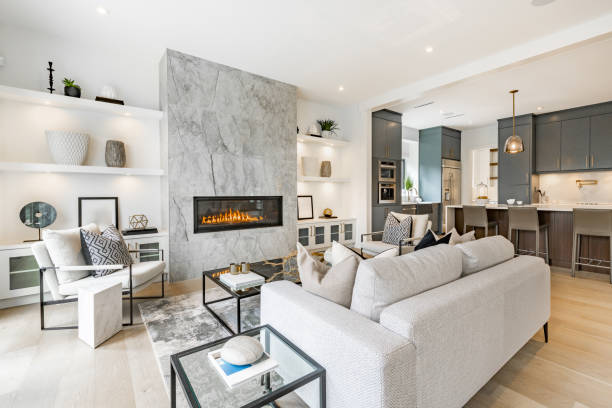
A home renovation can look simple from the outside. Tear out the old stuff, bring in the new, clean up, and move in. In reality, a lot is happening between those steps. Anyone looking into Home Renovation Services in Las Vegas should understand that the timeline is rarely just about construction. Planning, permits, ordering materials, inspections, design changes, and those little surprises behind the walls can all affect the schedule. The reveal is the fun part, sure. Getting there takes some patience.
1. The Planning Stage Comes First
Before anybody swings a hammer, there’s usually a fair amount of talking. What rooms are changing? What needs to stay? Are you moving walls, updating plumbing, changing lighting, or simply giving the place a serious facelift? This is where the project starts taking shape. You’ll discuss your budget, priorities, style, materials, and how much disruption you can realistically handle. Truth is, rushing this part usually creates headaches later. A good renovation plan gives everyone something to work from instead of making decisions on the fly every other day.
2. Design, Measurements, and Project Details
Once the basic direction is clear, the design work gets more specific. Measurements are taken. Existing conditions are checked. Layouts may be adjusted because what looked good on paper doesn’t always make sense in the actual room. Cabinet dimensions, flooring, fixtures, paint, countertops, and other finishes start getting selected. This can take longer than homeowners expect, especially when custom products are involved. And yes, choosing between two shades of white can somehow become a whole afternoon. But these decisions matter. They influence ordering, installation, and the overall flow of the renovation.
3. Permits and Pre-Construction Preparation
Depending on the scope and location of the project, permits and approvals may be needed before construction really gets moving. Structural changes, electrical work, plumbing modifications, and other major improvements can involve inspections or specific requirements. While paperwork is being handled, contractors can prepare the site, schedule trades, and coordinate material deliveries. This stage can feel slow because you may not see much happening inside the house. That doesn’t mean the project has stalled. A lot of behind-the-scenes work is happening before demolition starts. Skipping proper preparation is one of those things that can come back to bite everyone.
4. Demolition Reveals What Was Hidden
Then comes the noisy part. Cabinets come out. Flooring gets removed. Walls may be opened. Old fixtures disappear. It feels like progress because the house suddenly looks completely different, although sometimes it looks worse before it gets better. That’s normal. Demolition also gives the renovation team a closer look at what’s actually behind the finished surfaces. Old wiring, damaged framing, plumbing issues, or moisture problems can show up once things are opened. Not every renovation has a surprise, but many do. A realistic timeline leaves some room for unexpected repairs instead of assuming every wall will behave perfectly.
5. Structural, Plumbing, and Electrical Work
After demolition, the work that makes the renovation function properly starts taking shape. Walls may be framed or adjusted. Plumbing lines can be moved. Electrical wiring, outlets, switches, and lighting locations are installed or updated. HVAC-related work might happen around this point too, depending on the project. Much of this work eventually gets covered up, so it’s easy for homeowners to overlook its importance. Don’t. The pretty finishes only work because the stuff underneath them was done correctly. Inspections may also happen during this phase, and any required corrections can affect the schedule.
6. Walls, Floors, Cabinets, and Finishes Start Coming Together
Once the major systems are in place, the house starts looking like a house again. Drywall gets installed and finished. Flooring goes down. Cabinets are fitted, followed by countertops, tile, doors, trim, and other finish materials. This stage can move quickly for a while, then suddenly slow down because one specific item hasn’t arrived. That happens. Custom cabinetry or specialty fixtures may have longer lead times than standard products. Good project coordination helps, but it can’t magically make a delayed shipment appear. This is also where design choices become real. You can finally see whether all those samples and measurements actually work together in the space.
7. The Final Installation and Detail Work
Near the end, there’s usually a strange mix of excitement and frustration. The big construction work may be finished, but there are still plenty of small things to handle. Light fixtures get installed. Hardware is added. Faucets, mirrors, and accessories go in. Paint gets touched up. Trim is checked. Doors are adjusted. A good renovation team doesn’t just walk away because the cabinets are installed. The details matter, and sometimes they take longer than expected. A crooked handle or damaged section of trim may seem minor, but homeowners notice those things every single day. Final corrections are part of the process, not some optional extra.
8. Final Walkthrough Before the Reveal
The final walkthrough is where the project gets looked at with fresh eyes. The homeowner and renovation team go through the finished spaces and check the work. Are the lights working? Do cabinets and doors open properly? Are fixtures installed correctly? Are there paint marks, scratches, or unfinished details that need attention? This is also the point where cleaning becomes important. Construction dust has a way of finding absolutely everything. Once the remaining punch-list items are addressed, the space can finally be prepared for normal use. It may sound boring compared with demolition, but this stage protects the quality of the finished result.
9. The Reveal and Life After Renovation
And finally, the reveal. The furniture goes back in, the dust is gone, and the rooms start feeling like yours again. If you’ve worked with a Boutique Interior Design Firm Las Vegas, this is often where the design decisions really show their value, because the renovation isn’t only about new materials. It’s about how the space feels and functions when everything is together. The short answer is, a home renovation timeline isn’t perfectly predictable. A smaller update might move quickly, while a whole-home remodel can take months. What matters is having a realistic plan, good communication, and enough flexibility for the stuff nobody could see coming. A little patience goes a long way.









Comments (0)