

Orthopedic Acupuncturist & Bodywork for Athletes | Oakland
Recover faster with therapeutic bodywork and an orthopedic acupuncturist in Oakland. Learn which techniques help athletes and when to book. Energy Matters.

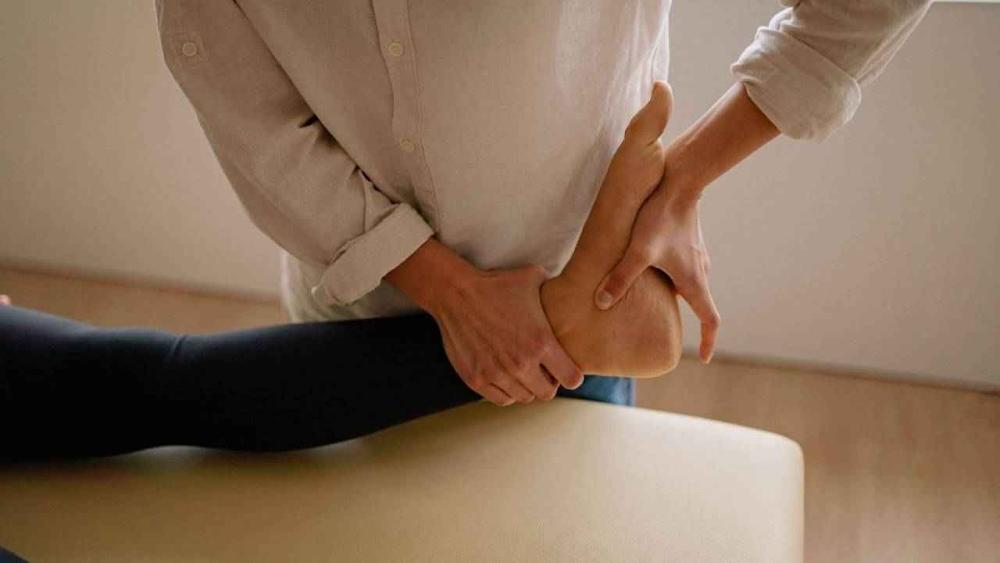
Athlete Recovery in Oakland: How Therapeutic Bodywork and an Orthopedic Acupuncturist Keep You Training
Hard training is only half of getting better. The other half is how well your body bounces back between sessions. Recovery often decides whether you keep making progress or end up sidelined with an overuse injury.
At Energy Matters in Oakland, we work with runners, cyclists, swimmers, weekend warriors, and competitive athletes. Some need hands-on therapeutic bodywork to release built-up tension. Others need the targeted pain relief an orthopedic acupuncturist provides. Many do best with both. Here is how each approach works, when to use it, and how to tell it's time to book.
Therapeutic Bodywork vs. a Relaxation Massage
A relaxation massage helps you unwind. Therapeutic bodywork has a job to do. The therapist uses manual techniques to work on a specific problem, such as a stiff shoulder, scar tissue from an old injury, or the tension that builds when you favor one side of your body.
For athletes, the difference matters. Repetitive training creates predictable patterns: tight hip flexors for cyclists, overworked calves and IT bands for runners, cranky shoulders for swimmers. A generic massage rarely keeps those patterns from becoming injuries. A bodyworker who knows athletes will look at how you move, not just where it hurts, and build the session around what your sport demands.
Deep Tissue Massage for Chronic Tightness
Deep tissue massage uses slow, firm pressure to reach the deeper layers of muscle and connective tissue. The therapist works through tight bands of muscle, breaking up adhesions and bringing blood flow to areas that have been under constant strain.
It's a good fit for the stubborn tightness that foam rolling and stretching don't touch: runners' hip flexors, the locked-up upper back of a rider hunched over handlebars, or the calves of anyone who trains on their feet. Sessions can feel intense, but the work should never be sharply painful, and most athletes feel the payoff afterward.
Myofascial Release for Mobility
Fascia is the connective tissue that wraps every muscle. When repetitive movement makes it tight or restricted, your range of motion can suffer in ways stretching won't fix. Myofascial release uses sustained, gentle pressure. The therapist holds each restriction at its edge until the tissue softens.
Because it's gentler than deep tissue work, it suits weeks when your muscles are already fatigued. It also helps with restrictions that keep coming back, like a tight IT band or a stiff mid-back. Many athletes describe a slow, warm, releasing sensation rather than pain.
Swedish and Circulatory Techniques
Not every recovery session needs to be intense. Long gliding strokes and light kneading boost circulation and support lymphatic drainage without piling more stress onto tired tissue. That can ease the delayed onset muscle soreness (DOMS) that shows up a day or two after a hard workout.
Part of a bodyworker's skill is knowing when to go deep and when to go light. The right technique the week before a race is different from the right one during an easy training block.
Timing Your Sessions Around Training
Timing matters as much as technique. Deep tissue or myofascial work too close to an event can leave muscles feeling flat instead of primed. Most bodyworkers suggest saving deeper sessions for at least 48 hours before a major event, or for a lighter training week.
In the day or two before competition, choose a lighter, circulation-focused session. After a hard race or heavy training block, deeper work becomes useful again, ideally once your body has started its own initial recovery. If you train consistently, a session every two to four weeks tends to head off the chronic tightness that turns into injury.
Signs Your Body Needs More Recovery Support
Sometimes the signal is obvious. Other times it's easy to miss until it becomes a bigger problem. Watch for:
-
Tightness that keeps returning to the same spot
-
Soreness that lingers well beyond 48 hours
-
Less range of motion on one side of the body
-
Compensation patterns, like favoring one leg or a change in your gait
-
Flat performance despite consistent, well-planned training
One of these alone may not mean much. A pattern of them usually means your body needs more than rest and stretching.
When to See an Orthopedic Acupuncturist
Bodywork is excellent for tension, adhesions, and circulation. But some problems need a different kind of help: a nagging tendon, a joint that stays sore, or pain that hasn't fully resolved with massage alone. That's where an orthopedic acupuncturist can fill the gap.
An orthopedic acupuncturist focuses on musculoskeletal pain and sports injuries. Treatment often includes techniques like dry needling and neuro scalp acupuncture alongside traditional points, aimed at pain and inflammation from a more systemic angle. Instead of working on the tissue with hands, the practitioner uses fine needles to influence how your body handles pain and healing.
At Energy Matters, Kari Napoli specializes in orthopedic and sports medicine acupuncture. She often works alongside our bodywork specialists with athletes managing a lingering injury or pushing through a demanding training cycle. If massage helps but doesn't fully solve the problem, ask whether adding an orthopedic acupuncturist to your plan makes sense.
Why Combining Both Often Works Best
Think of it as two tools for two jobs. Bodywork loosens what's tight and restores movement. An orthopedic acupuncturist works on the pain and inflammation that can keep an injury stuck. Used together, they can support each other: bodywork helps you move better, and acupuncture helps you tolerate and recover from the work of training.
You don't have to figure out the right mix alone. A short conversation about your sport, your training load, and any pain you're dealing with is usually enough to point you toward the right starting place.
Finding the Right Specialist for Your Training
Recovery isn't an extra bolted onto training. It's part of training. Working with practitioners who understand your sport can be the difference between steady progress and an injury that keeps resurfacing.
At Energy Matters, an acupuncture clinic Oakland athletes have trusted for years, Ana Fletes and Yolanda Cazares offer therapeutic bodywork from deep tissue and myofascial release to Swedish and lymphatic techniques. Kari Napoli brings orthopedic and sports medicine acupuncture. Start with a free 15-minute consultation to talk through your training and recovery goals.
Read More: Therapeutic Bodywork for Athletes: Recovery Techniques Oakland Specialists Use
Frequently Asked Questions
What does an orthopedic acupuncturist treat?
An orthopedic acupuncturist treats musculoskeletal pain and sports injuries, such as sore joints, tendon problems, and muscle pain that lingers. Techniques can include dry needling and neuro scalp acupuncture along with traditional points.
How is therapeutic bodywork different from regular massage?
All bodywork specialists are trained massage therapists, but a specialist focuses on solving specific problems like scar tissue, chronic tightness, or movement restrictions, rather than general relaxation.
How often should athletes get bodywork?
Most benefit from a session every two to four weeks during regular training, and more often during heavy blocks or when recovering from a specific issue. Your training volume and how your body responds set the right rhythm.
Should I get bodywork before or after a race?
Save deep tissue and myofascial work for at least 48 hours before a major event. Right before competition, choose a lighter, circulation-focused session. Deeper work is useful again after the event, once initial recovery has begun.
Does deep tissue massage hurt?
It can feel intense over tight areas, but it shouldn't be sharply painful. Your therapist adjusts pressure based on your feedback. Some soreness afterward, like after a hard workout, usually fades in a day or two.
Can bodywork help prevent injuries?
Yes. Regular sessions address the imbalances and compensation patterns behind many overuse injuries, so many athletes use bodywork for maintenance rather than waiting for pain.
Should I combine bodywork with orthopedic acupuncture?
Many athletes find the combination effective, since bodywork works on tension and circulation while an orthopedic acupuncturist targets pain and inflammation. Your practitioner can help you decide what fits your injury and goals.
What should I tell my practitioner before a session?
Share your sport, any current pain or injury, and how close you are to your next event or hard workout. That helps them choose the right technique and pressure.
Book Your Free Consultation
Ready to recover smarter? Schedule a free 15-minute consultation with our clinic manager to talk through your goals, or book your bodywork or orthopedic acupuncture appointment at Energy Matters in Oakland today.








Comments (0)