

Monarch Plants: How to Water Them in Pots and Garden Beds
Monarch plants like milkweed need the right watering. Learn how to water pots vs. garden beds, spot overwatering, and help monarchs thrive. Evergreen Nursery.

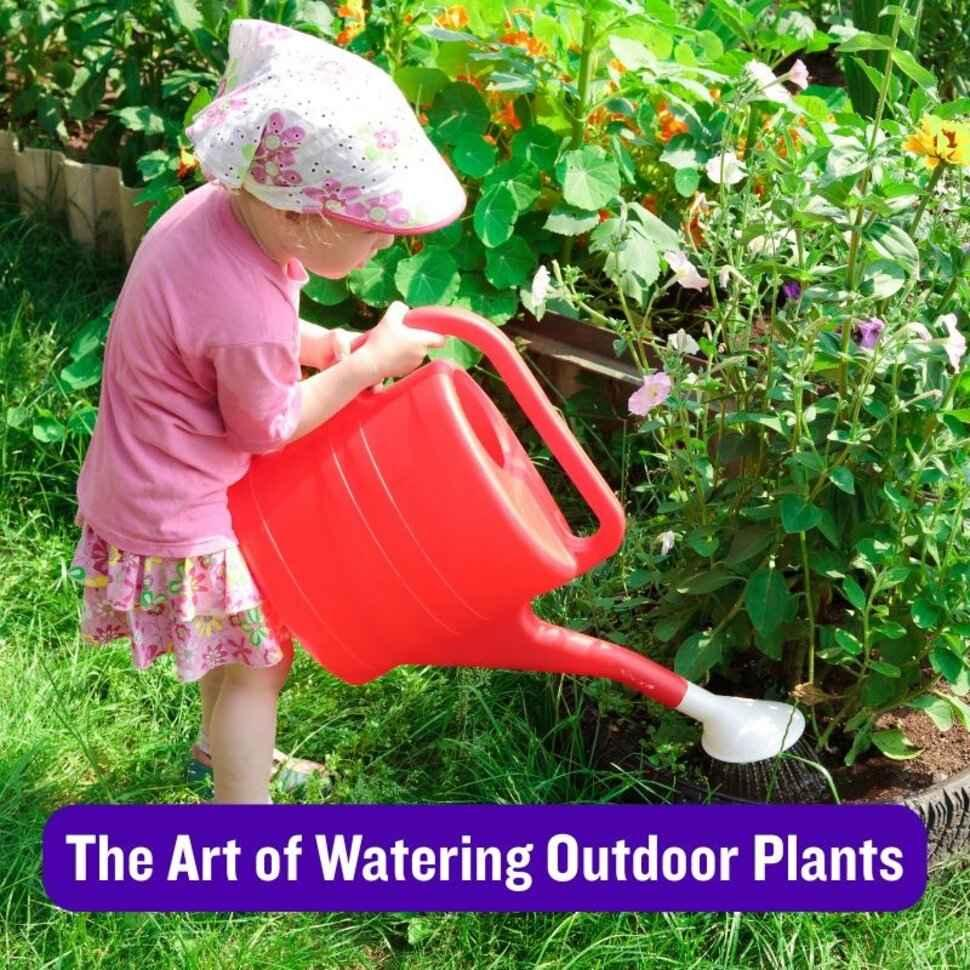
Monarch Plants: How to Water Milkweed and Nectar Plants the Right Way
Key Takeaways
-
Monarch plants, including milkweed and nectar-rich flowers, do best when you water by observation, not by the calendar.
-
Potted monarch plants dry out much faster than the same plants in the ground, so treat containers and garden beds as two separate routines.
-
Overwatering and underwatering look almost identical above the soil. Checking the roots is the only reliable way to tell them apart.
-
Water deeply, then let the soil dry slightly before watering again.
-
New plantings need steady water for their first year or two. Established California natives usually need far less.
Planting for monarch butterflies is one of the most rewarding things you can do in an East Bay garden. But even the best monarch plants struggle when the watering is off, and watering trips up more gardeners than pests, poor soil, or bad luck combined.
The good news is that watering is a skill you can learn. Once you know how to read the weather, the soil, the plant, and the roots, your monarch garden gets a lot easier to keep healthy.
What Are Monarch Plants?
"Monarch plants" covers two groups. The first is milkweed, the only plant monarch caterpillars can eat, which makes it the essential host plant. The second is nectar plants, the flowers that feed adult butterflies as they pass through. A good monarch garden includes both.
If you're shopping, choose native milkweed. Our California native plants are adapted to local conditions, and plants that attract pollinators can round out the space with blooms for adult butterflies.
Why a Watering Schedule Won't Work
Watering every Tuesday and Friday feels responsible, but a fixed schedule almost guarantees that some plants get water too early and others too late. Neither extreme kills a plant outright, but both keep it from reaching its full potential.
A plant's thirst changes with conditions:
-
Warm weather means more water. Cool weather means less.
-
Low humidity means more water. High humidity means less.
-
Full sun means more water. Shade or overcast days mean less.
-
Newly planted, few roots means more water. Established plants mean less.
-
Actively growing plants need more. Dormant or stressed plants need less.
These factors overlap. A milkweed baking on a hot patio needs a very different routine than the same plant in afternoon shade during a mild week.
Containers vs. In-Ground: Two Different Watering Games
Where your monarch plants live decides how often they need water.
Monarch Plants in Containers
A pot holds a limited amount of soil that heats up from every side, not just the top. Container plants also depend on a lightweight potting soil that drains quickly to protect the roots. The result is that potted plants can need water daily during a hot summer stretch.
Three things make containers even thirstier:
-
Pot size: Small pots dry out faster than large ones.
-
Pot material: Unglazed terracotta dries faster than plastic or glazed ceramic.
-
Root maturity: Root-bound plants need water more often than those with room to grow.
Pro Tip: If potting soil is so dry that it pulls away from the sides of the pot, it has become hydrophobic and water will run straight through. Water slowly, pause, and repeat until the soil turns spongy again. Bottom watering in a tray can work, but we don't recommend it because it risks root rot.
Monarch Plants in the Ground
In-ground plants draw from a much larger reservoir of soil, and the earth buffers them from quick swings in temperature and moisture. This is especially true for locally adapted natives. Once a plant is fully established, usually after a year, its roots reach down and out to find moisture long after the surface has dried.
The exception is anything newly planted. Until roots spread into the surrounding soil, a new in-ground planting needs almost as much attention as a container.
Bottom line: your patio pots and your garden beds are rarely thirsty at the same time.
Overwatering and Underwatering Look the Same
A wilting, droopy plant might be thirsty, or it might be drowning. The early symptoms above the soil line are nearly identical, and the gap between too much and too little can be very thin.
The only reliable fix is to check the roots:
-
Healthy roots are white or tan and firm.
-
Overwatered roots are brown or black, mushy, and may smell bad.
-
Underwatered roots are dry, brittle, and sparse.
For a container, slide the plant out gently and take a look. For a plant in the ground, dig a small test hole near the root zone.
Two quicker checks help in between:
-
Containers: Lift the pot. A thirsty plant feels noticeably lighter than a freshly watered one.
-
Garden beds: Push a finger or small trowel a couple of inches into the soil. In heavier soils, the surface can dry out before the roots below need a drink.
If a plant was tightly root-bound at transplanting, the soil near its stems can stay bone dry even when the surrounding area is soaked. Let the wet soil dry out first, then water slowly near the base.
The Golden Rule: Water Deeply, Then Let the Soil Breathe
For containers: Water until a little liquid runs out of the drainage holes. That flushes excess fertilizer salts out of the pot. A light sprinkle only wets the surface and encourages shallow, weak roots.
For garden beds: Water slowly and deeply so moisture soaks down to the roots instead of running off. Soaker hoses and drip lines are popular for exactly this reason.
Either way, let the soil dry slightly before the next watering. That drying-out window pulls fresh oxygen back into the soil, which roots need just as much as water.
Pro Tip: Skip the hard blast from a hose nozzle. It's messy and can spread pathogens onto leaves. A watering wand gives you a gentle, controlled stream.
Don't Let It Wilt, But Don't Panic If It Does Once
A plant that wilts slightly and perks up after a good drink is usually fine. Repeated, severe wilting is different. Even once the plant looks recovered, it may be weakened inside and never grow as vigorously again.
Aim for a gentle rhythm of moist, then slightly dry, then moist again, never a hard swing from soaked to bone dry.
Monarch Plants FAQ
How much water do milkweed and other monarch plants need?
It depends on the species. Like most California natives, milkweed needs regular water for its first year while its roots get established. After that, it generally prefers infrequent, deep watering, which keeps it healthy enough to serve as habitat for monarch butterflies and their caterpillars.
Should I water containers and garden beds on the same schedule?
No. Containers dry out much faster than the ground, so treat them as two separate routines.
Do drought-tolerant and native plants still need regular watering?
Yes, at first. They need consistent water for their first few seasons while roots spread down and out. After that, many water-wise plants can get by on rainfall with occasional deep watering during long dry spells.
My plant is wilting, but I just watered it. What's going on?
That's a classic overwatering sign. Soggy, oxygen-starved roots can't function, so the plant wilts even with plenty of water around it. Check the roots before adding more.
Is one wilt-and-recover cycle a problem?
Usually not. Repeated or severe wilting is what causes lasting damage.
What's the difference between potting soil and garden soil?
Potting soil is lightweight and fast draining, made for containers. Garden soil is denser and holds more moisture and nutrients. That difference is a big reason pots and beds run on different schedules.






Comments (0)