

Lead Auditor Training Course Skills, Benefits, and Career Opportunities
Explore lead auditor training courses, key skills, benefits, practical learning, and career opportunities for aspiring audit professionals.

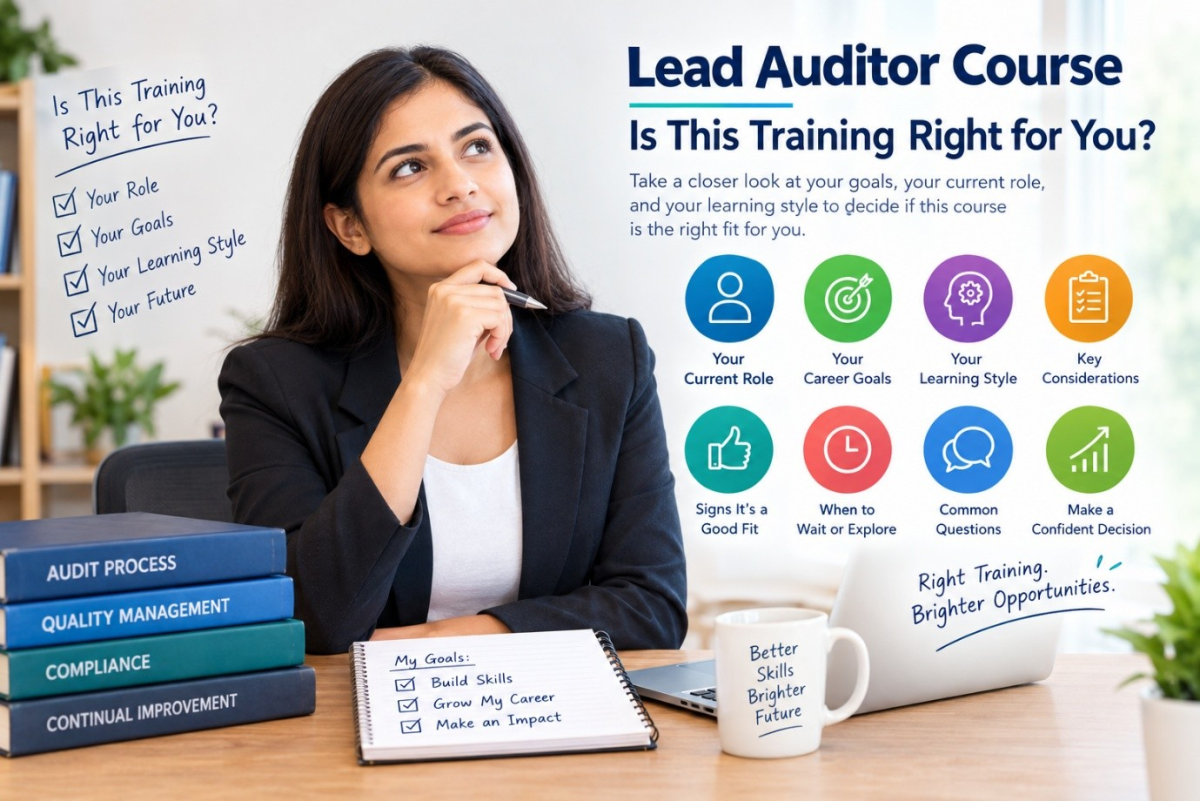
Introduction
Organizations across industries use management systems to improve processes, manage risks, and meet applicable standards. To evaluate these systems effectively, they need professionals who understand audit requirements, evidence collection, and reporting procedures. This has increased interest in professional auditing education among quality, safety, environmental, and compliance specialists.
A lead auditor training course helps participants develop the knowledge and practical skills needed to plan, conduct, and lead management system audits. Whether you are an experienced internal auditor or a professional looking to expand your responsibilities, understanding the course structure and its applications can help you plan your next learning step.
1. What Is a Lead Auditor Training Course?
A lead auditor training course is a structured learning program that introduces participants to the principles and methods of auditing management systems. It generally covers audit preparation, team coordination, evidence gathering, evaluation of findings, and the preparation of audit reports.
The training also helps participants understand how relevant ISO standards apply within organizations. Depending on the selected program, learners may study quality management, environmental management, occupational health and safety, or information security.
Unlike introductory awareness sessions, lead auditor training places particular emphasis on managing the audit process and coordinating audit activities.
2. Who Can Benefit From This Training?
Lead auditor training can be relevant to professionals from several backgrounds, depending on their experience and career objectives.
Quality and compliance professionals
Quality managers, quality assurance specialists, and compliance officers may benefit from developing a deeper understanding of audit planning and leadership. The training can help them improve their approach to evaluating documented procedures, identifying nonconformities, and communicating audit results.
Internal auditors and management representatives
Professionals who already participate in internal audits may want to expand their knowledge of audit team responsibilities and more complex audit activities. Training can help them understand how to coordinate audit tasks and apply consistent methods when evaluating management systems.
Consultants and aspiring auditors
Consultants involved in management system implementation may find the course useful for understanding audit expectations. Professionals interested in pursuing external auditing opportunities can also use the training as part of their broader professional development.
However, course completion alone does not automatically qualify someone for every auditing role. Relevant experience and any additional certification requirements depend on the applicable scheme and employer.
3. What Skills Do Participants Develop?
An effective training program combines knowledge of audit principles with opportunities to practise essential techniques.
Audit planning and preparation
Participants learn how to define audit objectives, establish scope, review relevant documentation, and prepare an audit plan. Proper preparation helps auditors organize their work and focus on the processes and requirements being evaluated.
Evidence collection and evaluation
Auditors need to gather objective evidence through interviews, observation, and document review. Training introduces methods for collecting relevant information and assessing whether it supports a particular finding.
Reporting and communication
Clear reporting is essential to communicating audit outcomes. Participants learn how to document findings, describe nonconformities, and present conclusions in a factual and understandable manner.
Audit team leadership
Lead auditors coordinate audit activities, communicate with relevant personnel, and help ensure that the audit follows its intended plan. Practical exercises can help participants understand these responsibilities and develop their professional communication skills.
4. How Is the Training Delivered?
Training providers may offer different learning formats to accommodate participants' professional and scheduling needs. Common options include:
- Classroom training: Instructor-led sessions with discussions, group activities, and practical exercises.
- Virtual classroom training: Live online instruction that allows participants to learn remotely and interact with their trainer.
- In-house training: Programs arranged for employees of an organization, often using examples related to their workplace.
Course duration, assessment methods, and practical activities vary by provider. Before enrolling, review the timetable and confirm whether the program includes exercises that simulate real audit situations.
5. Why Is Practical Learning Important?
Understanding audit terminology is only one part of becoming an effective auditor. Participants also need to practise applying audit principles to realistic situations.
Case studies, mock audits, and group assignments can help learners develop their ability to review documentation, ask relevant questions, and evaluate evidence. These activities also introduce the challenges of working with different departments and communicating findings professionally.
Practical learning can be especially useful for professionals who have studied ISO requirements but have limited experience participating in formal audits. It gives them an opportunity to explore audit scenarios in a structured learning environment before applying their knowledge at work.
6. How to Choose a Suitable Training Program
Choosing a training provider involves more than comparing course fees. Prospective participants should consider several factors to identify a program that fits their professional goals.
Review the syllabus
Check whether the program covers the relevant ISO standard, audit methodology, team leadership, reporting, and assessment requirements. A detailed syllabus makes it easier to compare course content.
Check instructor experience
Instructors with relevant auditing and management system experience may be able to explain how audit principles work in practical settings. Ask about their qualifications and professional background.
Understand the assessment process
Some courses include written examinations, practical activities, or both. Understanding the assessment requirements beforehand can help you prepare and decide whether the course suits your learning needs.
Confirm the certificate and recognition
Check what certificate the provider issues and whether the course is approved or recognized under the certification scheme you require. Verify any additional experience or assessment requirements associated with your intended career path.
Professionals exploring available options can review the lead auditor training course to learn more about the training offered for different ISO standards.
7. Applying Your Knowledge After Training
After completing a course, participants can look for opportunities to apply their knowledge through workplace audits, management system reviews, or supervised audit assignments. Reviewing audit reports, practising interview techniques, and studying the applicable standard can also help reinforce the learning.
Professionals should continue developing their skills through practical experience and relevant continuing education. Over time, this can help them become more familiar with different organizational processes, audit challenges, and methods for communicating improvement opportunities.
Conclusion
A lead auditor training course can provide a structured foundation for professionals who want to develop their management system auditing knowledge and leadership skills. From audit planning and evidence collection to reporting and team coordination, the training introduces important techniques that can be applied across a range of industries.
The right program depends on your existing experience, professional objectives, preferred learning format, and the ISO standard you want to study. By comparing course content, instructor qualifications, practical activities, and certification requirements, you can make an informed decision about your training and future development.








Comments (0)