

Is It Swelling or an Under-Eye Bag? Understanding the Difference

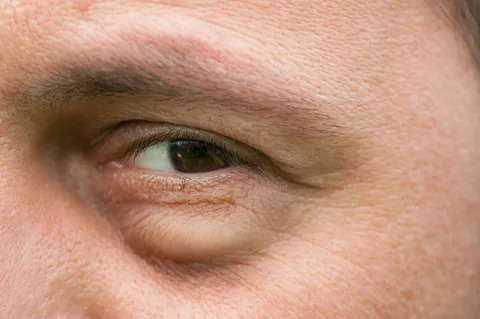
Puffiness under the eyes is very common, but not all of the changes in the lower eyelids are the same. Everyone experiences occasional puffiness after a bad night's sleep, allergy, water retention, or irritation. For some patients, puffiness remains even when you are well-rested - the puffiness is a result of a bag under the eye from differences in the tissue in the area of the lower eyelid.
Understanding the difference between the two can provide insight into whether it is just a passing problem or if you should consider talking to a doctor about it. So if you are after a lower eyelid Swollen lower eyelid Cape Town, then getting it properly checked out is important before considering your options.
What Causes a Swollen Lower Eyelid?
Swelling in the lower eyelid can have many causes. Swelling for a few hours may be due to fluid retention, allergies, irritation, lack of sleep, or other lifestyle factors. Swelling may also be due to an inflammation or underlying eye or skin condition.
The appearance can fluctuate during the day. For instance some people find they are puffy in the morning and this reduces as they go through the day. If there is sudden swelling or severe pain, redness, discharge or vision changes then this should not be assumed to be cosmetic.
Chronic swelling. When the fullness persists over a period of time, it is best to differentiate between a swelling appearance and structural abnormalities of the lower eyelids.
What Are Under-Eye Bags?
Under-eye bags are mostly associated with normal changes of the tissues around the eyes. As a person ages, the elastic quality of the skin decreases and the supportive tissues can change. The fat around the eye can protrude, giving a puffiness to the lower eyelids.
Genetics is another factor. Some individuals are predisposed to baggy eyes. They may begin showing prominent eye bags at a comparatively early age, even before their skin has started to age.
Unlike temporary under-eye swellings, structural under-eye bags tend not to go away after extra rest or extra water intake. They tend to persist across the day, and may be more apparent as a person gets older.
How Can You Tell the Difference?
It is not always easy to tell them apart from looks though but there are one or two helpful hints.
Temporary swelling may:
-
Appear suddenly or fluctuate from day to day
-
Be more noticeable after waking
-
Change depending on allergies, irritation or lifestyle factors
-
Improve as the day progresses
-
Be accompanied by other symptoms such as itching or redness
Under-eye bags may:
-
Remain relatively consistent throughout the day
-
Become more noticeable with age
-
Appear as a persistent fullness beneath the lower eyelid
-
Be related to skin laxity or underlying fat
-
Have a strong genetic component
These are general observations rather than a diagnosis. A lower eyelid that looks swollen may have more than one contributing factor, which is why an individual assessment is important.
When Should You Have a Lower Eyelid Concern Assessed?
Visible or unexplained changes to the area around the eyes should be given due consideration. This is especially true if swelling occurs suddenly occurs to one side only is painful turns red produces a discharge or change in vision.
Assessment can identify the factors that are contributing to a long-standing cosmetic problem. The surgeon may look at the skin quality, lower eyelid position, underlying tissues and the presence of excess or drooping fat.
The objective is not only to give it the name of an "eye bag" or "swell", but also to describe the anatomy involved and find a suitable treatment.
Can Lower Blepharoplasty Help With Under-Eye Bags?
Lower Blepharoplasty Lower blepharoplasty corrects specific disorders of the lower eyelids. Whether they involve repositioning or removing fat, removal of skin or support of the lower eyelid, surgical correction depends on the patient's anatomy.
Lesser blepharoplasty alone will not be a solution to all types of swelling of the eyelids. If the swelling or puffiness is due to allergy, a medical condition, inflammation or infection, you will require a different treatment.
In patients with anatomical fat pads, you may want to consider lower eyelid surgery once you've spoken with the patient about their concerns. It is important to tailor the procedure to the individual patient, their anatomy, and whether they want to improve the appearance or function of the lower eyelid.
What Happens During a Consultation?
This visit is a chance to describe what you observed, and how long it has been going on. The surgeon will evaluate your lower eyelids and the rest of your face and inquire about related symptoms and medical history.
This evaluation may be helpful in differentiating chronic structural fullness from another condition that might warrant a different treatment approach. It also provides the opportunity to discuss, in reasonable terms, treatment possibilities, potential benefits and risks, and limitations of treatment.
When it comes to the actual treatment, deciding on a suitable surgeon for swollen lower eyelids in Cape Town is an essential step.
Treatment Should Be Based on the Cause
Don't treat everything the same. One size does not fit all for a swollen or puffed lower eyelid. Treatment will vary based on the etiology.
Transient swelling may resolve if the causative factor is corrected. If fullness persists, there may be a structural component and this can be discussed during a cosmetic consultation.
This makes it important to establish the exact cause of the problem as embarking on the wrong treatment may not generate the result the patient is hoping for. The evaluation will help determine if the problem is structural, cosmetic or medical.
Conclusion
Having a puffiness to the lower eyelid doesn't necessarily mean you have regular fluid swelling. For some, the appearance is caused by short-term fluid, irritation or allergies. On the other hand, others experience lower eyelid fullness due to an under-eye bag, whether that's from shifts in skin, supporting tissue or lower eyelid fat.
Knowing the difference is the first step to deciding on the right treatment. If you are suffering from stubborn puffiness in the lower eyelids and are trying to decide what to do, a consultation with a doctor can help evaluate what is contributing to the appearance and whether a procedure like lower blepharoplasty is a good choice.
If you are looking for treatment for a swollen lower eyelid in Cape Town, talk to a specialised eyelid surgeon to treat your problem based on your anatomy.









Comments (0)