

Advancing Automation in Hazardous Industrial Environments
ATEX Robotics refers to specialised robotic systems designed for industrial environments where flammable gases, vapours or combustible dust may create explosion hazards. These systems incorporate suitable protective measures to reduce potential ignition risks while supporting selected automated operations.

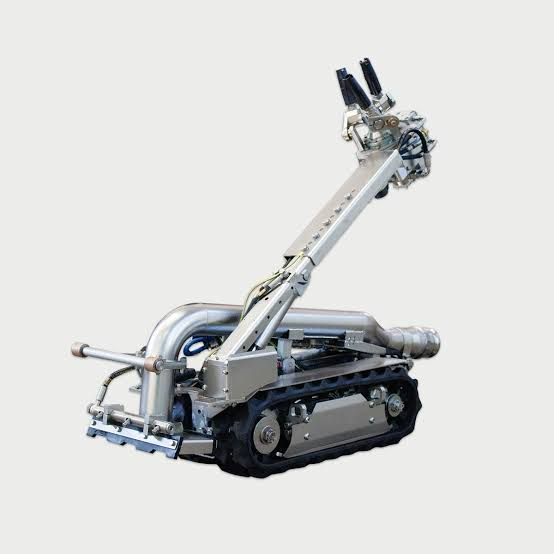
ATEX Robotics refers to specialised robotic systems designed for industrial environments where flammable gases, vapours or combustible dust may create explosion hazards. These systems incorporate suitable protective measures to reduce potential ignition risks while supporting selected automated operations. In the United States, ATEX Robotics is relevant to industries such as oil and gas, chemical processing, pharmaceutical manufacturing and specialised industrial production. Applications may include equipment inspection, material handling, remote monitoring and automated operations in designated hazardous areas. Their use requires careful consideration of hazardous-location classifications, operating temperatures, protective enclosures and applicable certification requirements. Although ATEX is a European regulatory framework, its explosion-protection principles are relevant to international industrial applications. US facilities must also consider applicable national electrical and hazardous-location standards. Understanding the operating conditions, technical specifications and safety requirements of ATEX Robotics helps organisations evaluate its suitability for industrial automation while maintaining appropriate workplace safety procedures.
Introduction
ATEX Robotics refers to robotic systems designed for use in potentially explosive environments where conventional machinery may create safety risks. These environments can contain flammable gases, vapours, combustible dust or other hazardous substances. In the United States, industries such as oil and gas, chemical processing, pharmaceuticals and manufacturing require specialised equipment to manage operations in these challenging conditions. ATEX Robotics focuses on combining automation with explosion protection to support industrial activities in potentially dangerous areas. These robotic systems can perform tasks that might otherwise expose workers to hazardous conditions. Their specialised construction, protective features and operational capabilities make them relevant to industrial environments where safety and reliability are important considerations.
Understanding ATEX Robotics
ATEX Robotics involves robotic equipment developed according to explosion-protection principles associated with the European ATEX framework. ATEX stands for Atmosphères Explosibles and refers to regulations governing equipment used in potentially explosive atmospheres.
Although ATEX is a European regulatory framework, its principles are relevant to industries worldwide. In the United States, hazardous-location equipment is also subject to requirements such as those established by the National Electrical Code (NEC), along with applicable certification standards.
ATEX Robotics may include robotic arms, mobile robots, inspection robots and automated handling systems. These machines are designed with protective measures intended to reduce the possibility of ignition in designated hazardous environments. Their suitability depends on the specific atmosphere, operating conditions and applicable safety requirements.
Importance of ATEX Robotics in Industrial Safety
Industrial environments containing flammable substances require careful management of ignition sources. Electrical sparks, excessive surface temperatures and mechanical friction can create potential ignition hazards under certain conditions.
ATEX Robotics addresses some of these challenges through specialised equipment design. Depending on the application, robotic systems may incorporate protected electrical components, controlled surface temperatures and suitable enclosure designs.
Robotic automation can also reduce the need for workers to enter certain hazardous areas. For example, an inspection robot may collect operational information in an area where direct human access is restricted. However, robotic equipment does not eliminate every workplace hazard, and appropriate safety procedures remain essential.
Applications of ATEX Robotics in the USA
1. Oil and Gas Industry
The oil and gas industry includes facilities where flammable gases and vapours may be present. ATEX Robotics can be used for selected inspection, monitoring and material-handling activities in appropriately classified areas. Robotic systems may help examine equipment, pipelines and storage facilities while limiting the need for personnel to approach certain hazardous locations.
2. Chemical Processing Facilities
Chemical processing plants frequently handle substances that can produce flammable vapours or combustible dust. ATEX Robotics can support specific automated operations, including equipment inspection and material movement. The suitability of a robot depends on the chemicals present, the area's hazard classification and the equipment's protection rating.
3. Pharmaceutical Manufacturing
Some pharmaceutical manufacturing environments involve combustible powders, solvents and other potentially hazardous materials. Specialised robotic systems can assist with selected handling and inspection activities. Their use requires consideration of explosion protection, contamination control and the hygiene requirements of the manufacturing process.
4. Industrial Manufacturing
Certain manufacturing facilities use flammable coatings, solvents, gases or combustible dust. ATEX Robotics may support automated processes in designated hazardous areas. Applications can include material transportation, equipment inspection and selected production activities, depending on the facility's safety requirements.
Key Features of ATEX Robotics
ATEX Robotics systems incorporate different features according to their intended operating environments. One important consideration is explosion protection, which involves controlling potential ignition sources through appropriate equipment design.
Protective enclosures may help prevent hazardous substances from reaching sensitive electrical components. Temperature management is another important feature because excessive heat can become an ignition source in certain atmospheres.
Some robotic systems also include specialised sensors, remote-control capabilities and automated monitoring functions. These features can help operators observe equipment performance and manage tasks from a suitable control location.
However, not every robot includes the same protective features. Its technical specifications, protection method and approved operating conditions determine where it can be used safely.
Role of ATEX Robotics in Automation
Automation is an important part of modern industrial operations. ATEX Robotics extends selected automation capabilities to environments where ordinary robotic equipment may not be suitable.
Robotic systems can perform repetitive tasks with consistent movements and programmed instructions. In hazardous locations, this capability may support inspection routines, controlled material handling and certain maintenance activities.
Remote operation can also help reduce the frequency of direct human access to restricted areas. Nevertheless, robotic systems still require trained supervision, maintenance planning and suitable emergency procedures. Automation should form part of a broader industrial safety programme rather than serve as a replacement for it.
Safety and Compliance Considerations
Selecting ATEX Robotics for a US facility requires careful attention to local regulations and equipment certification. ATEX marking alone does not automatically establish compliance with US hazardous-location requirements.
Facilities generally need to identify the hazardous area's classification, the substances present and the environmental conditions. Equipment selection should account for gas or dust groups, temperature limitations and the applicable protection requirements.
Depending on the installation, relevant US requirements may include NEC hazardous-location provisions and applicable UL or other recognised certification standards. Qualified safety professionals and electrical engineers can help assess whether a particular robotic system is appropriate for its intended environment.
Regular inspections, maintenance and operator training are also important for maintaining safe operating conditions.
Conclusion
ATEX Robotics represents a specialised approach to industrial automation in environments where explosive atmospheres may occur. Its applications can extend across oil and gas, chemical processing, pharmaceutical manufacturing and selected industrial operations in the United States. By combining robotic capabilities with appropriate explosion-protection measures, these systems can support inspection, monitoring and material-handling activities. Their safe application depends on accurate hazard classification, suitable equipment certification and compliance with relevant regulations. Understanding these factors helps industrial facilities evaluate the role of ATEX Robotics within their existing automation and workplace safety programmes.










Comments (0)