

Nap Length and Solvent Resistance: What Epoxy Pool Paint Requires
Choosing the best roller for epoxy pool paint starts with the right nap and material. Explore solvent resistance, surface texture, roller size, and application tips for better results.

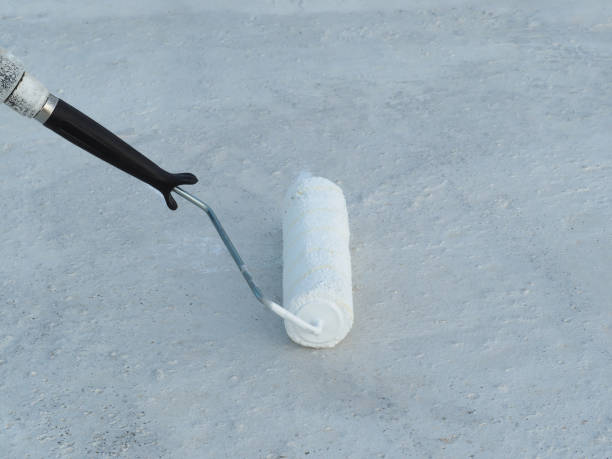
Pool painting sounds simple until you actually start rolling the epoxy. Then the little things start mattering. The cover leaves fuzz behind. The coating feels too thick. One area looks smooth and another looks like orange peel. That's why choosing the best roller for epoxy pool paint isn't something to leave until you're standing in the paint aisle. Epoxy has its own requirements, and the roller has to keep up with them. Nap length, material, solvent resistance, and the condition of the pool surface all play a part. Get one of those wrong and the finished job can look rough, even when the paint itself is perfectly good.
Nap Length Isn't Just a Number
A roller's nap tells you how deep the fibers are. That's important because epoxy doesn't behave exactly like ordinary house paint. On a smooth pool surface, a shorter nap is often the easier choice. Something around 3/16 to 1/4 inch can spread the coating without creating a heavy roller pattern. You get more control, which is useful when the coating needs to be applied at a certain thickness. But here's where things get a bit less straightforward. If the concrete or plaster has a rough texture, that tiny nap might not reach into all the low spots. You may need a little more fiber. The surface decides more than the label on the roller package does.
Too Much Nap Can Cause Its Own Problems
It's tempting to think a thicker nap is better because it holds more paint. That logic doesn't always work with epoxy. A deep nap can pick up a lot of coating and dump it onto the surface pretty quickly. Now you're trying to spread a heavy layer before the material starts getting difficult to work. Not fun. You can also end up with a noticeable roller texture, especially on smoother pool surfaces. Epoxy needs an even film, not random thick and thin patches. So don't grab the thickest cover just because you're working with a thick coating. Match the nap to the actual surface you're painting.
Solvent Resistance Is a Big Deal
This is where an ordinary roller cover can really let you down. Some epoxy products contain solvents or other chemicals that can break down covers not made to handle them. The roller might look fine when you first start. Half an hour later, fibers are coming loose or the cover itself is starting to change shape. And now you've got bits of roller stuck in your fresh coating. Great. Solvent-resistant covers are made to tolerate tougher coatings, which is exactly what you want here. Always check the epoxy manufacturer's instructions before buying covers. If it calls for a solvent-resistant synthetic cover, don't substitute a cheap general-purpose one just to save a couple bucks.
Fiber Shedding Is More Than an Annoyance
A little lint on a painted wall might go unnoticed. On a pool coating, it can become part of the finish. Once epoxy cures around a loose fiber, it's not exactly easy to pull out without leaving a mark. That's why the roller itself needs some attention before you begin. Look closely at the cover. Give it a quick shake or inspection and see if loose fibers are coming away. If it already looks like it's shedding, replace it. There's no prize for using a roller that was questionable from the start. A good cover should pick up the epoxy, release it properly, and stay together while you're working.
The Surface Changes the Roller You Need
There's no single roller specification that works for every pool. An older concrete pool might have tiny pits and a rougher feel under the roller. A properly prepared smooth surface is a different story. On rough areas, a slightly longer nap can help push epoxy into those little uneven spots. On smooth areas, that same roller may leave more texture than you want. Surface preparation matters here too. Dirt, old loose paint, chalky material, grease, and moisture can interfere with the coating. People sometimes blame the roller when the real problem is underneath the paint. If the surface isn't ready, even an excellent roller can't fix it.
An 18 Inch Roller Can Save Time
When you're dealing with a big pool floor, nobody wants to spend all day covering one small strip at a time. An 18 inch paint roller can make sense for larger open areas because it covers more surface with every pass. That means fewer trips across the pool and, generally, faster application. But wider doesn't automatically mean easier. A fully loaded 18-inch cover can get heavy, and too much epoxy on it can make controlling the film thickness harder. Use the size where it actually helps. Around steps, corners, fittings, and tight edges, a smaller roller is usually less frustrating. The big roller is for coverage, not for every single part of the pool.
Don't Fight the Epoxy While It's Setting
Epoxy has a working window. Once it starts moving from wet and workable toward tacky, messing around with it can create more problems than it solves. You may see a small uneven spot and think, “I'll just go over that again.” Sometimes that's the wrong move. The roller can start pulling at the coating instead of laying it down. Keep your sections manageable and pay attention to the manufacturer's pot life and recoat instructions. Mix only what you can realistically use within that window. There's no point having a perfect roller if the epoxy has already started working against you.
Pressure Matters More Than People Think
Another common mistake is pushing too hard. You don't need to crush the roller into the surface to get the epoxy out of it. Heavy pressure can squeeze material away from the cover and leave you with thinner coverage than intended. Let the roller carry and release the coating. Work steadily and don't keep going back over the same area for no reason. If the roller is dragging, skipping, or refusing to spread the epoxy properly, stop and figure out why. It could be the nap, the amount of coating on the cover, or simply that the epoxy is starting to set. More force isn't usually the answer.
Read the Product Instructions Before You Start
Every epoxy isn't formulated the same way. Some products are water-based. Others are solvent-based. Some have very specific roller recommendations, nap requirements, or application instructions. Temperature and humidity can also affect how the coating behaves. So yes, reading the technical sheet isn't exactly the exciting part of pool painting. Do it anyway. It may tell you which cover to use, how much area one gallon should cover, when to recoat, and how long the surface needs before returning to service. Those details are more useful than guessing based on what worked for somebody's garage floor.
A Better Roller Means Fewer Problems Later
The roller doesn't have to be fancy. It just needs to be appropriate for the coating and the surface. Pick a nap that gives you coverage without creating unnecessary texture. Make sure the material can handle the epoxy and its solvents. Avoid covers that shed fibers, and don't overload a wide roller just because it can hold a lot of paint. Most importantly, prepare the pool properly before the first pass. That's the boring part, but it's also the part people regret skipping. Get the roller, surface, and epoxy working together and the application becomes much less of a fight. And with pool coatings, less fighting is usually a very good thing.








Comments (0)