

How are Two-Piece rigid boxes different from standard rigid boxes?
Two-piece rigid boxes vs standard rigid boxes: see how they differ in structure, unboxing feel, cost, and protection before you order.
Picture two identical perfume bottles. One arrives in a box that snaps shut with a satisfying magnetic click. The other arrives in a box where the customer slowly lifts a lid, and the bottle appears like a small reveal. Same product. Completely different feeling. That gap comes down to one decision: standard rigid boxes or two-piece rigid boxes? Most brands pick without knowing what they’re trading off. By the end of this post, you won’t be one of them. At packagingDot, we help brands make this call every week, and we’ll share the exact framework we use.
What Are Standard Rigid Boxes?
Standard rigid boxes are the workhorses of premium packaging. They’re made from thick, dense board (usually 1.5 to 3 mm), wrapped in printed paper, fabric, or specialty finishes, and they arrive fully assembled. No folding, no flimsy corners.
You’ve almost certainly held one. The most common styles include:
-
Magnetic closure boxes: the lid snaps shut on its own
-
Book-style boxes: they open like a hardcover
-
Hinged-lid boxes: lid and base stay connected
Their superpower is balance: strong protection, a premium look, and a friendly price. But here’s the catch most guides skip. That balance comes with limits, and two-piece boxes were designed to break through them.
So What Makes a Two-Piece Rigid Box Different?
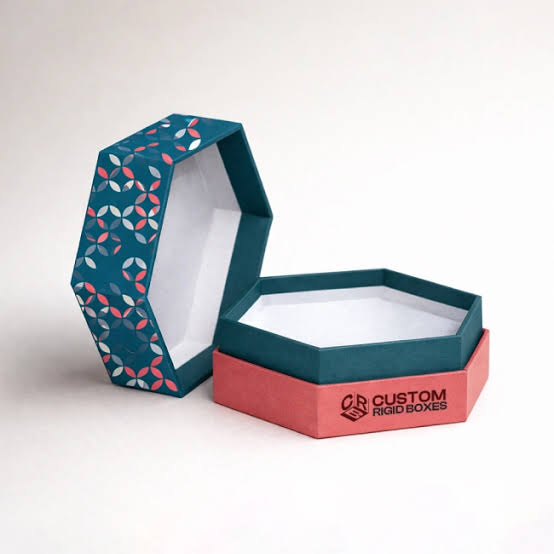
It’s right in the name. A two-piece rigid box has a separate lid and base, each built and wrapped on its own, then paired into one snug closure.
Popular versions include:
-
Full-cap lid boxes: the lid covers the entire base
-
Shoulder neck boxes: the lid rests on a raised inner neck
-
Telescope boxes: the lid slides partway down the base
Because the lid is not attached to anything, the box behaves very differently. Let’s look at how.
5 Differences Between Two-Piece and Standard Rigid Boxes That Actually Matter
1. The Unboxing Moment
Standard rigid boxes open with a smooth, controlled motion. It’s neat and modern. Two-piece boxes create anticipation. The customer lifts, pauses, and reveals. It’s the reason jewelry, fashion, and gift brands lean on them so heavily. If your product sells on emotion, this matters more than you’d think.
2. Depth and Protection
Need to package something tall, bulky, or fragile? A two-piece base can be built to almost any depth, with room for deep inserts in foam, EVA, or paperboard. Standard rigid boxes shine with products that have a defined, moderate profile. Both protect well, but they protect differently.
3. Design Freedom
Here’s where it gets fun. A two-piece box gives you two canvases instead of one. Try a matte black lid over a gold-foil base, or a soft-touch lid over a bold printed interior.
Standard rigid boxes still support foil stamping, embossing, and spot UV, but the two-piece format simply gives you more room to play.
4. Cost and Production
Let’s talk money, because you are wondering. Standard rigid boxes are usually the more budget-friendly option, especially at higher quantities, since the structures are common and production is streamlined. Two-piece boxes involve more components and more hand assembly, so the per-unit cost runs a little higher. The real question is whether the premium look earns that cost back. For many luxury brands, it does.
5. Packing Speed
If your team packs hundreds of orders a day, this one’s important. Standard rigid boxes come as a single unit, so fulfillment is fast. Two-piece boxes need a lid and base handled separately, which adds a step, though it’s a small price for the presentation.
Read Also: What are the Benefits of Shelf Ready Packaging Boxes?
The 30-Second Decision Guide
Not sure where you land? Use this.
Go with standard rigid boxes if:
-
You want a premium feel at a friendlier price
-
Speed of packing and fulfillment matters
-
Your product is standard in size and depth
-
You love the satisfaction of a magnetic closure
Go with two-piece rigid boxes if:
-
You sell luxury, gift, or high-value products
-
The unboxing experience is part of your brand story
-
Your product is tall, heavy, or needs extra cushioning
-
You want your lid and base to tell different design stories
Still torn? Here’s the shortcut we give clients: if your customer will film the unboxing, lean two-piece. If they’ll reorder monthly, lean standard.
Insider Tips Before You Order Standard Rigid Boxes
Choosing the structure is only half the job. These four moves separate good packaging from great packaging:
-
Measure twice. A product that rattles feels cheap, no matter how beautiful the box.
-
Never skip the insert. A well-fitted insert instantly raises perceived value.
-
Stay consistent. Colors, logos, and finishes should match your brand everywhere.
-
Request a sample first. Fit, finish, and feel can’t be judged on a screen.
Summary
Both formats deliver the strength and prestige rigid packaging is known for. Standard rigid boxes give you efficiency, reliability, and smart value. Two-piece rigid boxes give you drama, depth, and design freedom.
Neither is “better.” The right one is the one that matches your product, your budget, and the moment you want your customer to remember. Ready to make the call? The team at packagingDot can walk you through structures, materials, and finishes, whether you need standard rigid boxes for polished, efficient packaging or two-piece rigid boxes for a showstopping reveal. Reach out today, and let’s build a box your customers won’t want to throw away.

PackagingDot provides custom packaging solutions for every industry and product. Based in the USA, our full-service approach covers everything from start to finish, including personalized consultation, creative design, and precise customization. We ensure every detail is perfect, from the initial idea to final delivery. Our dedicated team is committed to making your packaging stand out and helping your business succeed with high-quality, timely solutions.










Comments (0)