

Early Warning Signals Platform: Strengthening Proactive Risk Management
An early warning signals platform helps organizations continuously monitor relevant business and risk indicators, enabling credit and risk teams to identify emerging concerns and respond proactively.
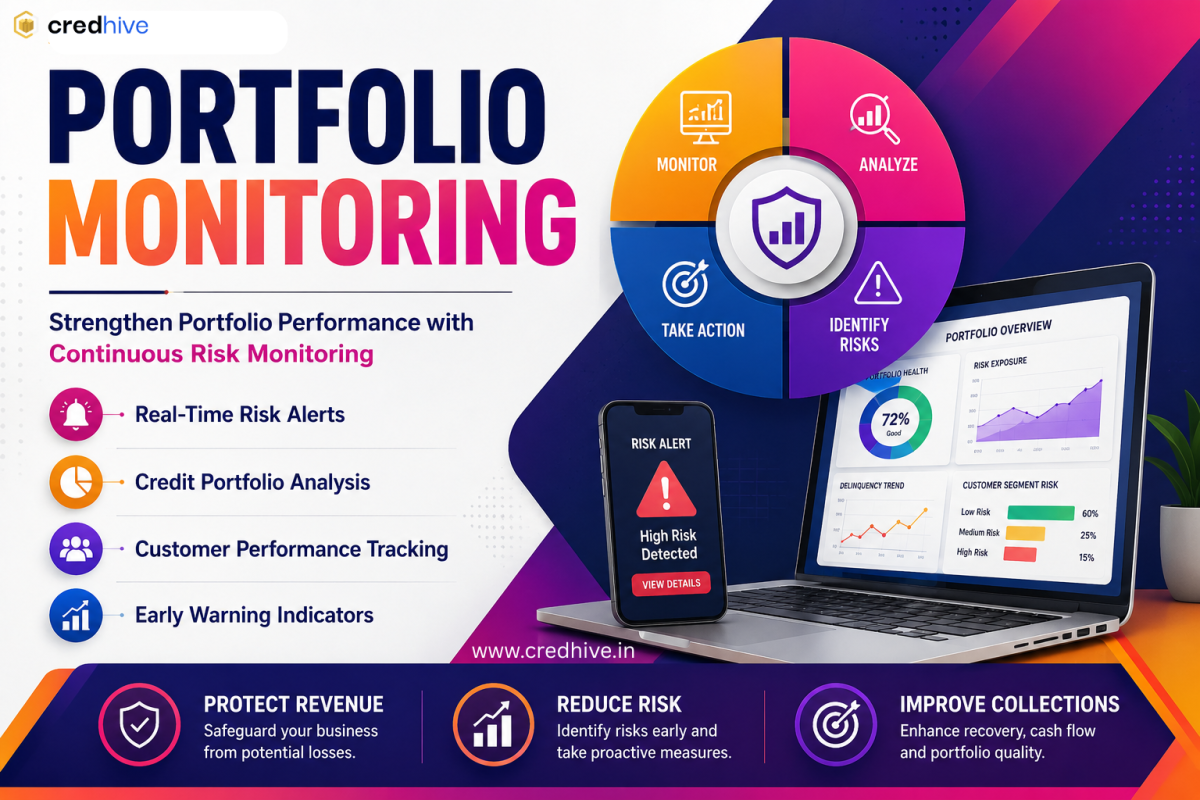
Financial risk does not always appear as a major default or sudden business failure. In many cases, warning signs emerge much earlier through delayed payments, declining financial performance, regulatory issues, management changes, or unusual business activity. Identifying these signals at the right time can help lenders and businesses take corrective action before a small concern becomes a significant exposure.
An early warning signals platform helps organizations continuously monitor relevant business and risk indicators, enabling credit and risk teams to identify emerging concerns and respond proactively.
What Is an Early Warning Signals Platform?
An early warning signals platform is a technology-driven solution that monitors businesses, borrowers, customers, suppliers, and other counterparties for indicators that may suggest increasing financial or operational risk.
Instead of depending only on periodic reviews, organizations can use continuous monitoring to track important changes across multiple data points. These may include financial information, regulatory filings, legal records, ownership changes, compliance events, credit-related indicators, and other business signals.
The objective is not simply to generate alerts. The real value comes from helping risk teams understand what changed, why it matters, and where further investigation may be required.
Why Early Risk Detection Matters
Traditional credit reviews often provide a snapshot of a business at a particular point in time. However, business conditions can change considerably between two review cycles.
For example, a company may appear financially stable during an annual assessment but later experience:
- Declining revenue or profitability
- Increasing financial obligations
- Delays in statutory compliance
- Changes in directors or ownership
- New litigation or regulatory concerns
- Significant changes in business activity
- Deterioration in payment behavior
If these developments remain unnoticed, lenders and enterprises may continue their existing exposure without reassessing the associated risk.
An early warning system provides a more dynamic approach by bringing important changes to the attention of relevant teams.
Key Signals Monitored by Risk Teams
Financial Warning Signals
Financial deterioration is one of the most important areas of business risk monitoring. Changes in revenue, profitability, liabilities, cash flow, or other financial indicators can provide useful clues about a company's financial health.
Monitoring these trends helps credit teams determine whether a borrower may require closer review or additional assessment.
Compliance and Regulatory Signals
Compliance-related developments can also indicate potential risk. Changes in statutory filings, regulatory status, or other compliance information may require immediate attention, particularly when an organization has significant credit or commercial exposure to a business.
Legal and Litigation Signals
New litigation, legal disputes, or regulatory proceedings may affect a company's financial position and reputation. Monitoring legal developments allows organizations to investigate material events before they significantly affect the relationship.
Ownership and Management Changes
Changes involving directors, promoters, ownership, or company relationships can sometimes indicate a shift in business strategy or risk profile. An early warning signals platform can help teams track such developments as part of ongoing counterparty monitoring.
How an Early Warning Signals Platform Works
An effective platform typically follows a continuous monitoring process.
1. Select Businesses for Monitoring
Organizations identify borrowers, customers, suppliers, vendors, or counterparties that require ongoing monitoring.
2. Track Relevant Data
The platform monitors selected business, financial, legal, compliance, ownership, and other relevant information.
3. Identify Significant Changes
New developments are compared with available business information to identify potentially important changes or risk indicators.
4. Generate Alerts
When a relevant event or change is identified, the appropriate team can receive an alert for further review.
5. Support Risk-Based Action
Risk professionals can investigate the signal, assess its potential impact, and decide whether additional due diligence, credit review, or monitoring is necessary.
Practical Example
Consider an NBFC that has financed several mid-sized businesses. During the initial underwriting process, one borrower has a healthy financial profile and satisfactory compliance history.
Several months later, the company experiences a combination of concerning developments, such as worsening financial indicators and changes in its management structure.
Without continuous monitoring, these developments may only be identified during the next periodic review.
With an early warning signals platform, the NBFC can receive timely alerts and initiate a review. The credit team can then determine whether the exposure should be reassessed, additional information should be requested, or closer monitoring should be introduced.
The platform therefore supports proactive credit risk management rather than reactive risk management.
Benefits for Banks, NBFCs, and Enterprises
Better Portfolio Visibility
Risk teams can monitor multiple businesses from a centralized environment rather than manually checking different information sources.
Faster Risk Identification
Timely alerts can reduce the delay between a business event and its discovery.
More Efficient Credit Monitoring
Automated monitoring reduces repetitive manual checks and allows credit professionals to focus on evaluating meaningful risk signals.
Stronger Due Diligence
Combining financial, legal, compliance, ownership, and business information can provide a broader view of counterparty risk.
Improved Decision-Making
Relevant alerts and supporting information help teams decide when a borrower, customer, supplier, or counterparty needs additional attention.
Choosing the Right Early Warning Signals Platform
Organizations should evaluate more than the number of alerts a platform can generate. An effective solution should provide relevant, actionable, and understandable signals.
Key factors to consider include:
- Coverage of business and financial information
- Monitoring of compliance and legal developments
- Ownership and director change tracking
- Customizable monitoring requirements
- Timely alerts and notifications
- Clear supporting information for each alert
- Easy integration with existing risk workflows
- Ability to monitor large business portfolios
The quality of monitoring is ultimately more important than simply increasing the number of notifications.
How Credhive Supports Early Risk Detection
Credhive brings business intelligence, financial information, compliance data, ownership details, legal information, and risk indicators into a unified workflow. Its monitoring capabilities help banks, NBFCs, lenders, insurers, and enterprises track important changes across their business portfolios.
By combining risk intelligence, business due diligence, and continuous portfolio monitoring, Credhive helps teams identify potential concerns earlier, prioritize businesses requiring attention, and make more informed credit and risk decisions.
Conclusion
Business risk can develop gradually, making continuous visibility an important part of modern credit and risk management. An early warning signals platform helps organizations move beyond periodic assessments by monitoring important changes and bringing potential concerns to the attention of risk teams.
For lenders and enterprises managing large portfolios, proactive monitoring can improve visibility, strengthen due diligence, and support faster responses to emerging risks. The goal is not to predict every business problem, but to identify meaningful signals early enough for informed action.
Monitor continuously. Identify risk earlier. Make smarter credit decisions with Credhive.
Frequently Asked Questions
1. What is an early warning signals platform?
An early warning signals platform monitors businesses and counterparties for financial, legal, compliance, ownership, and other changes that may indicate emerging risk.
2. Who can use an early warning signals platform?
Banks, NBFCs, fintech lenders, insurers, enterprises, supply chain finance providers, and corporate risk teams can use such platforms for ongoing business and counterparty monitoring.
3. What types of risks can be monitored?
Depending on the platform, organizations can monitor financial deterioration, compliance developments, legal events, management changes, ownership changes, and other business risk indicators.
4. How does early warning monitoring support credit decisions?
It provides timely visibility into important changes after the initial underwriting process, helping credit teams decide when a borrower or counterparty requires further assessment.
5. How is continuous monitoring different from periodic reviews?
Periodic reviews assess a business at scheduled intervals, while continuous monitoring tracks relevant changes between reviews and can alert teams when potentially significant developments occur.

Credhive is an intelligent business intelligence platform that empowers organizations with a powerful Credit Decision Engine, comprehensive Business Reports, and verified Business Leads. The platform consolidates financial, legal, compliance, and credit data into a unified view, helping businesses evaluate companies with confidence.








Comments (0)