

Garden Wall Landscaping: Practical Ideas to Improve Outdoor Spaces in Australia

A well-designed garden wall can do more than define the edges of an outdoor area. It can improve the structure of a landscape, manage uneven ground, create planting spaces, and add long-term value to a property. For homeowners, contractors, and landscaping professionals, understanding how garden wall landscaping works helps create outdoor spaces that are both functional and visually appealing.
In Australia, where properties often face challenges such as sloping blocks, changing weather conditions, and limited outdoor space, garden walls have become a practical landscaping solution. When planned correctly, they can support plants, improve drainage, and create a more organised garden layout.
What Is Garden Wall Landscaping?
Garden wall landscaping involves using constructed walls as part of an outdoor design to enhance gardens, yards, and surrounding areas. These walls may be used for decorative purposes, creating raised garden beds, separating different landscape zones, or supporting soil on uneven terrain.
Unlike simple garden borders, properly designed garden walls combine appearance with functionality. Materials such as concrete blocks, stone, brick, and other durable options are commonly selected based on the location, purpose, and overall landscape design.
A successful garden wall should complement the surrounding environment while meeting practical requirements like stability, drainage, and durability.
Why Garden Walls Are Popular in Australian Landscapes
Many Australian properties have outdoor challenges that make garden walls a useful addition. Sloping gardens, soil movement, and heavy rainfall in some regions can affect how outdoor areas perform over time.
Garden wall landscaping can help with:
Better Use of Uneven Spaces
A sloped backyard can be difficult to maintain and may limit usable space. Garden walls can create different levels, allowing homeowners to build terraces, pathways, planting areas, or entertainment zones.
By turning a difficult area into a structured landscape, garden walls help maximise the available outdoor space.
Improved Garden Organisation
A garden wall can create clear separation between lawns, flower beds, pathways, and outdoor living areas. This makes the landscape easier to maintain and gives the property a more polished appearance.
For landscaping professionals, walls can also provide opportunities to create unique designs that match a client’s lifestyle and property style.
Support for Soil and Planting Areas
Raised garden beds created with garden walls can improve growing conditions for plants. They allow better control over soil quality, drainage, and plant placement.
This is especially useful for homeowners who want decorative gardens, vegetable areas, or low-maintenance planting spaces.
Choosing the Right Material for Garden Walls
The right material depends on the purpose of the wall, the surrounding landscape, and the expected maintenance requirements.
Concrete block walls are often chosen for their strength and versatility. They can be designed in different finishes and are suitable for many residential landscaping projects.
Natural stone walls provide a timeless appearance and blend well with outdoor environments. They are popular for gardens that aim for a natural look.
Brick walls can complement traditional homes and offer a neat, structured appearance.
When selecting materials, it is important to consider local conditions, including soil type, weather exposure, and the amount of support the wall needs to provide.
The Garden Wall Landscaping Process
A professional approach usually begins with careful planning rather than immediate construction.
Site Assessment
The first step is reviewing the garden area, including the slope, soil conditions, drainage requirements, and intended purpose of the wall.
A detailed assessment helps avoid common issues such as water buildup, cracking, or uneven movement.
Design and Material Selection
The design should balance practical needs with the desired appearance. Factors such as wall height, location, surrounding plants, and property style all influence the final result.
Choosing suitable materials early helps ensure the wall performs well and remains visually attractive.
Preparation and Construction
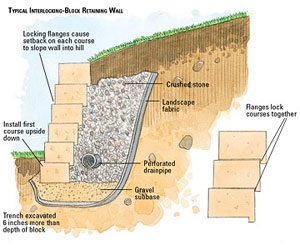
Proper preparation is essential. This may include creating a stable foundation, preparing the ground, installing drainage solutions, and carefully building the wall structure.
Experienced landscapers understand that small construction details can have a major impact on the lifespan of a garden wall.
Finishing Touches
Once the wall is complete, landscaping elements such as plants, lighting, pathways, or decorative features can be added to integrate the wall into the overall outdoor design.
Common Mistakes to Avoid
Garden walls can provide excellent results, but poor planning may lead to expensive repairs. Some common mistakes include:
- Choosing materials without considering local conditions
- Ignoring drainage requirements
- Building without proper ground preparation
- Focusing only on appearance and overlooking structural needs
- Failing to consider future garden maintenance
Working with experienced professionals helps ensure the wall is designed for both immediate use and long-term performance.
Frequently Asked Questions About Garden Wall Landscaping
Do garden walls require a lot of maintenance?
Maintenance depends on the material used and the surrounding environment. Regular checks for cracks, drainage issues, and plant growth can help maintain the wall’s condition.
Can garden walls be added to small yards?
Yes. Garden walls can be designed for compact spaces and can actually help make small gardens more functional by creating vertical interest and organised planting areas.
Are garden walls only for decoration?
No. While they improve appearance, garden walls can also provide practical benefits such as soil support, garden separation, and improved outdoor usability.
How long does a garden wall last?
The lifespan depends on the materials, construction quality, and environmental conditions. A professionally planned and built garden wall can provide many years of reliable performance.
Creating a Functional Outdoor Space With the Right Design
Garden wall landscaping is not simply about adding a structure to a garden. It is about creating a better-functioning outdoor environment that suits the property and the people using it.
Whether the goal is improving a sloped backyard, creating attractive planting areas, or adding structure to a landscape design, a well-planned garden wall can make a significant difference.
Before starting a project, consider the site conditions, materials, drainage, and long-term maintenance needs. Consulting an experienced landscaping professional can help turn an outdoor idea into a practical and lasting result.








Comments (0)