

How Food Presentation Influences Customer Perception of Fast Food

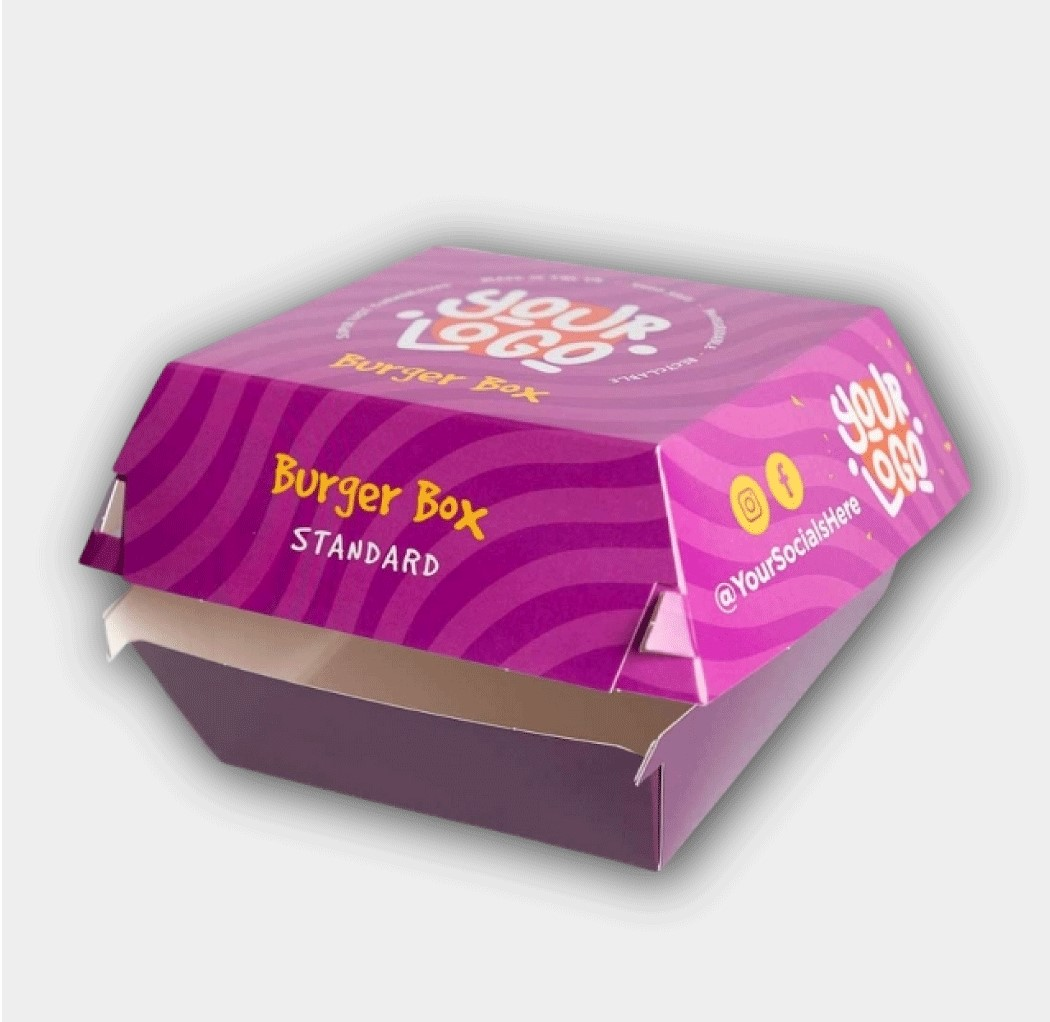
Fast food is often chosen because it is quick, easy, and convenient. But speed is not the only thing customers care about. The way a meal looks when it arrives can also affect how people feel about the restaurant. Clean and well-presented food can create a better experience before the first bite.
For many restaurants, custom fast food boxes can be part of that experience. A suitable box can keep food organized, protect it during travel, and make the meal easier to handle. Good presentation is not about making food look fancy. It is about making it look clean, fresh, and ready to enjoy.
People Judge Food With Their Eyes
The first thing many people notice about a meal is its appearance. Color, shape, arrangement, and cleanliness can all affect how food is perceived.
A burger that arrives in good shape may look more appealing than one that has been crushed during delivery. Fries that remain organized can also create a better impression than fries scattered throughout a container.
This does not mean appearance is more important than taste. Instead, presentation sets expectations before the customer starts eating.
Clean Packaging Builds Confidence
Clean packaging can make customers feel more comfortable about their food. A container that looks neat and secure suggests that the order was handled with care.
Customers may notice simple details such as grease marks, loose lids, torn containers, or food stains. These small problems can affect their view of the restaurant.
Restaurants should keep packaging stored in clean areas and make sure employees handle it properly. Clean presentation should be part of the normal food service process.
The Right Package Protects the Food
Food presentation depends partly on how well the package protects the meal. Fast food can be difficult to transport because it may be hot, oily, crispy, or covered with sauce.
A suitable container can help keep food in place and reduce spills. It can also prevent items from being crushed during delivery.
For example, a burger needs enough space to maintain its shape. Fried foods may need ventilation to help manage moisture. Saucy foods require containers that close securely.
Choosing packaging based on the food can help the meal reach customers in better condition.
Size Affects Food Presentation
The size of a food container can change how the meal looks. A package that is too small can squeeze the food. One that is too large may allow food to move around.
The goal is to find a container that fits the portion properly. This helps the food stay organized and can make the meal look more appealing when the customer opens the package.
Restaurants can test different sizes with their most popular menu items. This simple step can help them find practical options without guessing.
Branding Can Strengthen Recognition
Packaging can also support a restaurant's visual identity. A simple logo, restaurant name, or consistent design can help customers recognize the business.
However, branding does not need to be complicated. Too many colors, messages, or graphics can make a package look crowded.
A clean design can often work better. The food should remain the main focus, while the packaging quietly supports the restaurant's identity.
Presentation Shapes the Takeout Experience
The customer's experience does not begin when they take the first bite. It starts when they receive the order.
They may notice how easy the package is to carry, whether it opens properly, and whether the food is still arranged neatly. These details can influence their overall opinion.
Small improvements can make takeout easier. Clear labels, separate sauce containers, and simple reheating instructions can all add value without making the process complicated.
Food Safety Must Come First
Attractive presentation should never come before food safety. Packaging needs to be suitable for the food it holds and should help protect it from contamination.
Restaurants should also consider temperature and storage conditions. Hot food, cold food, and foods with high moisture may have different packaging needs.
Employees should follow proper food handling practices when packing orders. Containers should be clean, and food should be packed in a way that reduces unnecessary contact.
Safe practices help protect customers and support trust in the restaurant.
Good Presentation Can Encourage Repeat Orders
Customers remember the complete experience of a meal. Taste is important, but other details can also affect whether they choose the same restaurant again.
If an order arrives clean, secure, and well presented, customers may feel that the restaurant pays attention to quality.
A poor presentation can have the opposite effect. Spilled sauces, damaged containers, or crushed food can create frustration even when the meal itself tastes good.
This is why restaurants should review the entire takeout process instead of focusing only on cooking.
Choosing Packaging for Everyday Operations
Restaurants should choose packaging based on real daily needs. Important factors include food type, portion size, delivery time, storage space, cost, and ease of use.
It is useful to test packaging before using it for every order. Restaurants can pack common meals, carry them for a short distance, and check how they look when opened.
This can reveal problems that may not be obvious in a kitchen. A package may look suitable on a shelf but perform poorly during actual delivery.
Conclusion
Food presentation can strongly influence how customers view a fast food meal. Clean packaging, proper sizing, secure containers, and neat food arrangement can create a better experience from the moment an order arrives.
Restaurants should focus on packaging that is practical, safe, and suited to their menu. When choosing materials or designs, working with experienced custom packaging manufacturers can help businesses consider the needs of their food and daily operations. The goal is simple: protect the meal, present it well, and make the customer's experience as easy as possible.





Comments (0)